Category: Shopping

  • Top Shopping Trends 2025: What Consumers Are Buying This Year Uncovered

    Are you curious about what’s shaping your shopping choices this year? Knowing the top shopping trends in 2025 can help you make smarter buying decisions and stay ahead of the curve.

    From the products flying off shelves to the new ways people are spending their money, this year’s trends reveal what truly matters to you and other consumers right now. Whether you want to save money, find the hottest items, or discover fresh ideas for your lifestyle, understanding these trends will give you the edge.

    Keep reading to uncover what consumers are buying this year—and why it matters to your wallet and your world.

    Spending Slowdown And Resilience

    The year 2025 shows a clear pattern of spending slowdown paired with strong consumer resilience. People are spending less rapidly but remain steady in their purchases. This shift reflects how consumers adapt to changing economic conditions while maintaining essential buying habits.

    Understanding this balance helps retailers and marketers prepare for evolving consumer needs. The slowdown does not mean consumers stop buying. Instead, they become more selective and cautious. Their resilience keeps the market stable despite uncertainties.

    Impact Of Economic Factors

    Economic changes affect how people spend money. Inflation and interest rates influence daily purchases. Rising prices make consumers think twice before buying. Job market shifts also play a key role. When jobs are less secure, spending slows down.

    Costs of goods and services rise, leading to tighter budgets. Consumers focus more on essentials and value offers. This behavior reduces impulse buying and favors careful planning. Retailers notice a demand for affordable options and discounts.

    Consumer Confidence Shifts

    Consumer confidence affects spending habits strongly. When people feel uncertain about the future, they hold back on spending. News about the economy and global events impacts trust. A cautious mindset leads to slower spending growth.

    Confidence rises with stable employment and steady incomes. Shoppers then feel safer making larger purchases. This cycle creates waves in retail sales throughout the year. Brands must monitor confidence levels to adjust strategies.

    Household Wealth Influence

    Household wealth supports spending resilience despite slowdowns. Savings, investments, and home values provide a financial cushion. Wealthy households continue spending on durable goods and experiences. Lower-income families face more challenges and cut back more.

    Wealth inequality shapes overall consumer behavior in 2025. Those with assets spend more confidently. Others prioritize needs and seek bargains. This divide impacts which product categories grow or shrink. Retailers tailor offers based on these wealth patterns.

    Top Shopping Trends 2025: What Consumers Are Buying This Year Uncovered

    Credit: www.euromonitor.com

    Value And Deal Seeking

    Value and deal seeking shape shopping habits in 2025. Consumers want to get the most for their money. They pay close attention to prices and offers. This behavior affects what people buy and how they shop.

    Focus On Immediate Gratification

    Buyers want quick results from their purchases. They prefer items that deliver fast satisfaction. Waiting for long shipping times or sales no longer appeals. Instant discounts and fast delivery attract more customers. This trend influences retailers to offer speedy service and deals.

    Price Sensitivity Trends

    People notice price changes more than before. Rising costs make shoppers careful with spending. Many compare prices across stores and online platforms. Budget-friendly options gain more attention. Shoppers often choose value over brand names to save money.

    Discount Hunting Behavior

    Consumers actively search for sales and coupons. Special offers and limited-time deals drive purchases. Many wait for promotions before buying big-ticket items. Loyalty programs and cashback deals also attract deal seekers. This behavior encourages stores to create more discounts and rewards.

    Durable Goods And Sector Shifts

    Durable goods and sector shifts highlight major changes in consumer buying habits for 2025. Durable goods include items like appliances, cars, and electronics that last a long time. Spending patterns in these areas are changing, reflecting wider economic and social trends. Consumers are also moving their budgets toward different sectors, adjusting where and how they spend money.

    Deceleration In Durable Goods Spending

    Spending on durable goods is slowing down this year. Many consumers delay buying big-ticket items due to economic uncertainty. Rising prices and interest rates make these purchases harder to afford. People focus more on repairs and maintaining what they already own. This cautious approach reduces demand for new durable goods.

    Rising Interest In Services

    Consumers increasingly prefer spending on services rather than goods. Experiences like travel, dining, and wellness attract more attention. This shift reflects a desire for enjoyment and convenience. Services offer immediate satisfaction and often support local businesses. The trend signals a broader change in how people value their money.

    Sectoral Spending Adjustments

    Spending moves between sectors as consumers adjust priorities. Retail and entertainment sectors see mixed results, with some growing and others shrinking. Technology and home improvement sectors remain strong but face slower growth. Consumers seek value and practicality, choosing essentials over luxury items. These changes shape the market and influence business strategies.

    Sustainability And Ethical Buying

    Consumers in 2025 show a strong shift towards sustainability and ethical buying. This change reflects growing concerns about the planet and social responsibility. Shoppers want products that not only serve their needs but also protect the environment and support fair practices. Brands that embrace these values gain more trust and loyalty from buyers.

    Growing Eco-consciousness

    More people care about the environment now. They prefer products that reduce waste and pollution. Consumers avoid items made with harmful chemicals or that damage nature. This awareness affects buying decisions daily. Simple actions like choosing reusable or recycled goods make a big impact.

    Demand For Ethical Products

    Buyers seek products made under fair working conditions. They want to support companies that pay fair wages. Transparency about sourcing and labor practices matters. Ethical products include cruelty-free cosmetics and fair-trade foods. Consumers feel good about purchases that help others.

    Sustainable Packaging Trends

    Packaging is a key part of eco-friendly shopping. Shoppers prefer biodegradable or recyclable materials. Brands reduce plastic use and opt for minimal packaging. Innovative designs focus on reusability and compostability. Sustainable packaging helps reduce landfill waste significantly.

    Technology And Shopping

    Technology continues to reshape how people shop in 2025. Shoppers expect fast, smooth, and smart experiences. Retailers use new tools to meet these needs and keep customers happy. Digital innovations help buyers find products easily and enjoy their shopping journey.

    Technology blends with shopping to create more personal and connected experiences. It affects what consumers buy and how they decide. Trends this year show how technology guides shopping habits and preferences.

    Ai And Personalization

    Artificial intelligence helps stores understand buyers better. AI analyzes past purchases and browsing habits. It suggests products that fit each shopper’s style and needs. Personalized recommendations make shopping faster and more enjoyable. Many buyers prefer stores that remember their tastes and offer tailored choices.

    Social Media Influence

    Social media shapes what consumers want to buy. Platforms like Instagram and TikTok show trending products quickly. Influencers share honest reviews and style tips. Shoppers trust these opinions and often buy what they see online. Social media also allows brands to connect directly with customers, building loyalty and interest.

    Omnichannel Experiences

    Buyers want to shop anytime and anywhere. Omnichannel means using multiple channels smoothly. Customers might check products on a phone, try them in-store, and buy online. Retailers combine physical and digital stores to offer this convenience. A seamless experience keeps shoppers coming back, no matter where they shop.

    Top Shopping Trends 2025: What Consumers Are Buying This Year Uncovered

    Credit: capitaloneshopping.com

    Nostalgia And Pop Culture

    Nostalgia and pop culture are shaping what consumers buy in 2025. Many shoppers seek comfort in memories from the past. They enjoy products that remind them of simpler times or favorite shows and movies. This trend taps into emotions and personal stories. It makes shopping more than just buying goods. It becomes an experience filled with meaning and joy.

    Retro Products Popularity

    Retro products are making a strong comeback. Items from the 80s and 90s attract buyers of all ages. Classic designs, old-school packaging, and vintage styles are highly desired. Consumers appreciate the mix of old charm with modern quality. This trend includes clothing, toys, electronics, and home decor. Retro items often bring a sense of fun and uniqueness to daily life.

    Pop Culture Tie-ins

    Pop culture tie-ins boost the appeal of many products. Brands collaborate with movies, TV shows, and celebrities. Limited edition collections and exclusive releases create buzz. Fans buy these items to show their passion and connection. Pop culture references also make products more relatable and trendy. This strategy helps brands stand out in a crowded market.

    Cross-generational Appeal

    Nostalgia spans generations, connecting young and old shoppers. Parents share their favorite childhood brands with their kids. Kids enjoy discovering retro styles and stories from the past. This creates a shared shopping experience across ages. Products that appeal to multiple generations gain wider popularity. They build bonds and create lasting memories for families.

    Health And Wellness Focus

    Health and wellness remain key priorities for many shoppers in 2025. Consumers are more aware of their body and mind needs. They seek products that support longer, healthier lives. This shift influences what people buy daily and seasonally. Retailers respond with a wide range of health-focused items. The trend covers nutrition, exercise, mental care, and longevity.

    Healthspan And Longevity Products

    Consumers want more than just a longer life. They want quality years filled with vitality. Products that promise to extend healthspan grow popular. Supplements with antioxidants and vitamins see rising sales. Devices that track sleep and stress gain attention. Biotechnology and personalized health products also attract buyers. People choose items that support aging well and active living.

    Wellness-oriented Purchases

    Wellness moves beyond physical health. Mental and emotional balance matters to many buyers. Aromatherapy oils, meditation aids, and calming teas sell well. Natural and organic products get a strong preference. Shoppers look for clean labels and sustainable sources. Self-help books and apps focusing on mindfulness see growth. Wellness shopping reflects a desire for holistic health.

    Fitness And Self-care Trends

    Fitness remains a top priority in 2025. Home workout equipment and online classes attract many. Wearable fitness trackers help users monitor progress. Self-care routines expand with skincare and relaxation products. Consumers invest in massage tools and bath soaks. Fitness and self-care blend to create balanced lifestyles. This trend shows a move toward ongoing personal well-being.

    Global And Cross-border Buying

    Global and cross-border buying are shaping the way people shop in 2025. Shoppers are no longer limited to local stores. They explore products from different countries with ease. This trend reflects a growing curiosity and trust in international brands. It also shows how technology and logistics have improved worldwide. Consumers want variety and unique items not always available nearby. Cross-border buying brings new opportunities and challenges for both buyers and sellers.

    Rising Cross-border Demand

    More consumers are buying products from other countries. They seek better prices, exclusive brands, and unique designs. Cross-border demand grows as shipping becomes faster and cheaper. Payment methods now support multiple currencies, making purchases easier. Trust in global marketplaces and reviews helps buyers feel secure. This rising demand pushes sellers to expand internationally and offer localized services.

    Emerging Market Influence

    Emerging markets play a key role in cross-border shopping trends. Countries in Asia, Africa, and Latin America show rapid growth in e-commerce. New middle-class consumers want foreign products and global brands. Their increasing spending power drives demand for quality goods. Sellers target these markets with tailored offers and local payment options. This influence shapes global shopping patterns and product availability.

    International E-commerce Growth

    International e-commerce platforms grow rapidly in 2025. They connect buyers and sellers across continents with ease. Advanced technology supports smooth transactions and customer service. Online stores use AI to personalize shopping experiences for global customers. More businesses invest in multilingual websites and global logistics. This growth creates a more connected and accessible shopping world.

    Payment And Shopping Methods

    Shopping in 2025 is changing fast, especially in how people pay and shop. Payment and shopping methods are more digital and flexible than before. Consumers want quick, easy ways to buy products. They avoid long waits and complicated steps. This shift shapes what and how people purchase items today.

    Decline Of Cash Usage

    Cash is losing its place in daily shopping. Many stores and buyers prefer cards or phones. Carrying cash feels old-fashioned and less safe. People use cash less at shops, cafes, and markets. This trend grows stronger every year around the world.

    Rise Of Digital Payments

    Digital payments are now the top choice for many buyers. Mobile wallets, apps, and contactless cards speed up checkout. These methods are simple and secure. Consumers like paying with their phones or watches. Online shopping also pushes digital payments forward.

    Flexible Financing Options

    Buyers want more ways to pay over time. Flexible financing options, like “buy now, pay later,” are very popular. These plans let shoppers spread costs without high interest. Stores and online shops offer easy payment splits. This helps people afford bigger purchases without stress.

    Top Shopping Trends 2025: What Consumers Are Buying This Year Uncovered

    Credit: www.amraandelma.com

    Leisure And Experience Spending

    Leisure and experience spending is shaping how consumers choose to use their money in 2025. People prefer to spend on activities that bring joy and create memories. This shift shows a focus on quality time rather than just owning things. Many are investing more in experiences that offer personal growth and relaxation.

    Increased Leisure Expenditure

    Spending on leisure activities is rising steadily this year. Consumers allocate more budget to hobbies, sports, and wellness. Fitness classes, outdoor adventures, and creative workshops attract higher spending. This trend highlights a growing desire to improve life quality through enjoyable pastimes.

    Experience-driven Purchases

    Experience-driven purchases beat material goods in popularity. People buy tickets to concerts, festivals, and special events. Subscription boxes for books or games also gain traction. These purchases offer excitement and new experiences, which many value over physical items.

    Travel And Entertainment Trends

    Travel spending continues to grow despite economic challenges. Short trips, local tours, and nature escapes see increased interest. Entertainment venues like theaters and theme parks report higher attendance. Consumers seek convenient and memorable ways to unwind and explore their surroundings.

    Frequently Asked Questions

    What Are Consumers Buying In 2025?

    Consumers in 2025 buy sustainable products, tech gadgets, health-focused items, value-driven goods, and personalized experiences. They prioritize eco-friendly, affordable, and innovative purchases.

    What Is The Consumer Spending Prediction For 2025?

    Consumer spending in 2025 is expected to grow steadily but at a slower pace. Price sensitivity and cautious buying will influence habits. Durable goods spending may decline, while value-seeking and immediate gratification trends rise. Strong labor markets and household wealth support overall resilience despite economic challenges.

    What Is The Future Of Shopping In 2025?

    The future of shopping in 2025 will focus on personalized AI, seamless digital experiences, and sustainable product choices. Consumers seek value and convenience.

    What Are The Current Buying Trends?

    Current buying trends show consumers prioritize value, seek deals, and prefer quick gratification. They remain price-sensitive amid rising costs. Spending on durable goods slows, while focus on sustainability and digital shopping grows. Economic resilience supports steady, cautious consumer spending despite weaker sentiment.

    Conclusion

    Shopping trends in 2025 reveal clear shifts in consumer behavior. People prefer value and quick gratification. Sustainability grows as more buyers choose eco-friendly products. Technology influences how and where people shop daily. Price sensitivity makes consumers cautious with spending. Retailers must adapt to stay relevant and meet demand.

    Watching these trends helps understand the changing market. Consumers shape the future of shopping with every purchase. Stay aware and enjoy the evolving shopping experience this year.


  • Ai-Powered Shopping Assistants: How They’re Revolutionizing Online Shopping

    Imagine having a personal shopping expert by your side every time you browse online—someone who knows exactly what you like, suggests just the right products, and helps you avoid endless scrolling. That’s exactly what AI-powered shopping assistants do.

    They’re transforming your online shopping experience, making it faster, smarter, and more enjoyable. If you want to discover how these virtual helpers can save you time, tailor choices to your tastes, and even guide you through tricky buying decisions, keep reading.

    Your next shopping spree is about to get a serious upgrade.

    Rise Of Ai Shopping Assistants

    AI shopping assistants are becoming more common in online stores. They help shoppers find products quickly and easily. These assistants offer personalized suggestions based on user preferences. They reduce the time spent searching and improve the buying experience.

    Online shopping is now smarter and more interactive. AI assistants can answer questions about products and availability. They guide customers through choices, making shopping less stressful. These tools are changing how people shop online every day.

    Evolution Of Virtual Shopping Agents

    Virtual shopping agents started as simple chatbots with basic answers. Early versions could only handle simple questions or direct users to product pages. Over time, they learned to understand natural language better. Now, they can hold conversations and offer tailored advice.

    Advances in AI let these agents analyze user data and behavior. They became more helpful by predicting what shoppers might want next. This growth transformed them from tools to personal shopping helpers. They save time and create a smoother shopping process.

    Key Technologies Behind Ai Assistants

    Natural Language Processing (NLP) allows AI assistants to understand and respond to text or voice commands. Machine learning helps these assistants learn from past interactions to improve suggestions. Computer vision lets AI analyze images, helping shoppers find products by photos.

    Data analytics processes user data to personalize experiences. Integration with online stores connects AI assistants directly to product databases. These technologies work together to create smart, fast, and useful shopping helpers.

    Ai-Powered Shopping Assistants: How They’re Revolutionizing Online Shopping

    Credit: turnto10.com

    Personalized Shopping Experiences

    Personalized shopping experiences are reshaping online buying habits. AI-powered shopping assistants analyze user data to deliver unique and relevant content. These assistants help shoppers find exactly what they want quickly and easily. The result is a smoother, more enjoyable shopping journey that feels personal and thoughtful.

    Tailored Product Recommendations

    AI studies past purchases and browsing habits to suggest products that match interests. It filters thousands of options to highlight items shoppers are likely to love. These recommendations save time and reduce decision fatigue. Personalized suggestions often lead to discovering new products shoppers might not find alone.

    Customized Messaging And Offers

    AI creates messages and deals that speak directly to individual shoppers. It uses data like shopping history and preferences to tailor offers. This targeted approach increases the chance shoppers will respond positively. Custom messages make customers feel valued and understood, boosting loyalty and repeat sales.

    Enhancing Customer Interaction

    AI-powered shopping assistants improve how customers interact online. They make shopping easier and faster. These assistants provide help just like a real store helper. They listen to questions and give quick answers. This creates a smoother and better experience. Shoppers feel guided and confident while making choices.

    With AI, online stores can offer support anytime. This keeps customers happy and reduces confusion. The interaction feels personal and useful. AI tools learn from each shopper’s behavior. They offer advice that fits individual needs. This personal touch changes how people shop online.

    Real-time Product Support

    AI assistants answer product questions instantly. Shoppers do not wait for human help. They get details about size, color, and features fast. If a product is out of stock, AI suggests alternatives. This speeds up the buying process. Customers avoid leaving the site to search elsewhere. Real-time support keeps shoppers engaged and satisfied.

    Guided Purchase Decisions

    These assistants help customers choose the best products. They compare options based on needs and preferences. AI considers past purchases and browsing habits. This narrows down choices and saves time. Shoppers receive clear recommendations without feeling overwhelmed. Guided help reduces doubts and returns. Buyers feel sure about their final decision.

    Boosting Sales And Loyalty

    AI-powered shopping assistants play a key role in boosting sales and building customer loyalty. They provide personalized help that guides shoppers to make better decisions. This support leads to a smoother buying process and happier customers. As a result, stores see higher sales and more loyal shoppers returning often.

    Increasing Conversion Rates

    AI assistants help shoppers find what they want quickly. They answer questions instantly and suggest products based on preferences. This reduces confusion and hesitation. Shoppers feel confident and complete their purchases faster. This smooth experience turns visitors into buyers more often.

    Encouraging Repeat Purchases

    These assistants remember customer choices and preferences. They offer personalized recommendations on future visits. This makes shopping easier and more enjoyable each time. Customers feel valued and understood. They are more likely to return and buy again.

    Challenges And Considerations

    AI-powered shopping assistants bring convenience and personalization to online shopping. Yet, several challenges and considerations affect their use and effectiveness. Understanding these issues helps businesses and shoppers make better choices.

    Selecting The Right Ai Assistant

    Choosing an AI assistant requires careful thought. It should match the store’s size, products, and customer needs. Some assistants focus on product recommendations, while others handle customer service. The right AI tool must integrate smoothly with existing systems. It should also be easy for customers to use. Poorly chosen assistants can frustrate shoppers and harm sales.

    Privacy And Data Security

    AI shopping assistants collect data to personalize experiences. Protecting this data is critical. Stores must follow strict privacy laws and use strong security measures. Customers want to trust that their information is safe. Any data breach can damage a brand’s reputation. Transparency about data use builds customer confidence. Security should never be an afterthought in AI solutions.

    Ai-Powered Shopping Assistants: How They’re Revolutionizing Online Shopping

    Credit: ecomposer.io

    Future Trends In Ai Shopping

    The future of AI-powered shopping is bright and full of innovation. New technologies will make online shopping easier and more fun. AI will help shoppers find products faster and get better advice. Retailers will use smarter tools to improve user experience and boost sales.

    AI is moving beyond simple recommendations. It will blend with other tech to create richer, interactive experiences. These trends will shape how people shop online in the coming years.

    Integration With Augmented Reality

    Augmented Reality (AR) will combine with AI to transform online shopping. Shoppers can see products in their real environment before buying. For example, customers can try virtual furniture in their living room. AI will suggest items based on user preferences and room style.

    This integration helps reduce guesswork and returns. It builds confidence in purchase decisions. AR and AI together create a more immersive and personal shopping journey.

    Voice-activated Shopping Assistants

    Voice-activated AI assistants will become more common in online shopping. Shoppers can speak commands to search and buy products hands-free. These assistants understand natural language and respond quickly.

    Voice shopping saves time and adds convenience. It suits busy users and those who prefer talking over typing. The technology will improve in accuracy and offer personalized suggestions through voice.

    Ai-Powered Shopping Assistants: How They’re Revolutionizing Online Shopping

    Credit: www.genrise.ai

    Frequently Asked Questions

    How Is Ai Changing Online Shopping?

    AI enhances online shopping by personalizing recommendations, answering questions, and guiding purchases, creating a seamless, engaging experience.

    How Does The Ai Application Use In Online Shopping?

    AI enhances online shopping by offering personalized recommendations, answering queries, and guiding purchase decisions in real-time.

    How Has Online Shopping Changed The Way People Shop?

    Online shopping offers easy access to global products anytime, personalizes experiences, and simplifies buying with AI-driven recommendations.

    What Are Ai Shopping Assistants?

    AI shopping assistants are virtual agents that help users browse, compare, and buy products online with personalized recommendations and support.

    Conclusion

    AI-powered shopping assistants make online shopping easier and more personal. They help find products fast and suggest items you might like. These assistants save time and reduce stress while shopping. As technology grows, expect smarter helpers on your favorite sites.

    Shopping online will keep becoming simpler and more enjoyable. The future of online shopping looks bright with AI’s support.

  • Best Deals in 2025: How to Spot Real Discounts Vs. Fake Sales Easily

    Best Deals in 2025: How to Spot Real Discounts Vs. Fake Sales Easily

    You’ve probably seen those flashy sales promising huge savings, only to wonder later if the deal was real or just a clever trick. In 2025, spotting genuine discounts is more important than ever—because not every “sale” means you’re actually saving money.

    But how can you tell if a discount is truly worth your time and cash? This guide will show you simple, smart ways to separate real deals from fake sales, so you can shop confidently and get the best value for your money.

    Keep reading to protect your wallet and become a savvy shopper in the year ahead.

    Spotting Fake Sales

    Fake sales can trick anyone. Retailers sometimes mark prices higher just to show a big discount. Spotting these fake sales saves money and stress. Knowing how to check deals helps you buy smartly and confidently.

    Focus on facts, not flashy labels. Real discounts have clear proof. Learn simple ways to tell if a sale is true or false. Use these tips before making any purchase in 2025.

    Check Price History

    Price history shows how the price changed over time. Use websites or apps that track product prices. This helps see if the current sale price is really lower than before. A sudden high price followed by a “discount” is a red flag. Reliable sales have steady price drops or long-term low prices.

    Compare Similar Items

    Look at prices of similar products from other sellers. If the “discounted” price is higher than others, the sale may be fake. Comparing helps find the true value and avoid overpriced deals. Sometimes cheaper options give better quality or features.

    Beware Of Arbitrary List Prices

    List prices can be made up to look bigger. Some stores raise prices before sales to fool buyers. Ignore the “original” price if it seems too high. Focus on real market prices from various sources. This stops you from paying more for a fake discount.

    Tools For Tracking Deals

    Tracking deals saves time and money. It helps you find real discounts. Many tools make this easier. Use them to check prices before buying. These tools show price changes over time. They reveal if a sale is genuine or fake. Here are some of the best options to track deals.

    Price Tracking Websites

    Price tracking websites show the history of a product’s price. They collect data from many stores. This lets you see if a discount is real. Popular sites include CamelCamelCamel and Keepa. Enter the product name or link to get price trends. These sites help avoid overpriced sales. Checking price history is smart before any purchase.

    Browser Extensions

    Browser extensions work directly in your web browser. They alert you to price drops and coupons. Extensions like Honey and Camelizer scan pages automatically. They show price history without leaving the site. This saves time and makes deal hunting simple. Most extensions also compare prices from different sellers. Install one to get instant deal updates.

    Shopping Apps

    Shopping apps provide deal alerts on your phone. Apps like Slickdeals and ShopSavvy notify you of discounts. You can scan barcodes to compare prices instantly. Apps also offer user reviews and ratings. They help verify if a deal is worth it. These apps work anytime and anywhere. Use them to stay updated on the best deals.

    Timing Your Purchases

    Knowing the right time to buy can save a lot of money. Not all discounts are real, and some sales might trick you. Timing your purchases is key to getting true deals. Smart timing helps avoid paying full price unnecessarily.

    Understanding when to shop, spotting seasonal discounts, and controlling impulse buys all play a role. These steps make your shopping smarter and your savings bigger.

    Best Times To Shop

    Some days offer better deals than others. Major holidays often bring big sales. Black Friday, Cyber Monday, and end-of-year events are prime times.

    Mid-week sales can also have lower prices. Retailers clear stock during these periods. Early morning or late-night sales may offer extra discounts.

    Seasonal Discounts

    Products often go on sale after their peak season. Winter clothes drop in price as spring begins. Summer items become cheaper in fall.

    Holiday decorations and themed products are cheaper after the event. Buying off-season can lead to big savings. Watch for clearance sales marking the change of seasons.

    Avoiding Impulse Buys

    Impulse buying wastes money on things you don’t need. Plan your purchases before shopping. Make a list of items to buy and stick to it.

    Take time to think about each deal. Wait 24 hours before buying non-essential items. This pause helps stop impulse purchases and fake discounts.

    Best Deals in 2025: How to Spot Real Discounts Vs. Fake Sales Easily

    Credit: www.independent.co.uk

    Using Coupons And Rewards

    Coupons and rewards offer smart ways to save money during sales. They add extra value beyond the listed discount. Using them correctly helps separate real deals from fake sales. Understanding how to apply coupons, match prices, and redeem rewards can boost your savings.

    Applying Valid Coupons

    Check coupon expiration dates before use. Only use coupons from trusted sources. Avoid expired or invalid codes—they waste time. Enter coupon codes carefully at checkout. Some stores allow stacking multiple coupons. Read terms to know what items qualify.

    Price Matching Strategies

    Price matching helps confirm if a discount is real. Compare prices from different stores for the same product. Keep proof like screenshots or ads ready. Some retailers match competitor prices at checkout. Ask about price match policies before buying. This tactic ensures you pay the lowest price.

    Earning And Redeeming Rewards

    Join store loyalty programs to earn points. Use credit cards that offer cash back or rewards. Redeem points for discounts or free products. Track your rewards balance regularly. Use rewards before they expire. This method adds savings without extra spending.

    Identifying Quality Products

    Identifying quality products is key to finding true deals in 2025. Many sales offer big discounts but low-quality items. Knowing how to spot genuine products saves money and disappointment. Focus on product details and trust signals before buying.

    Verify Model Numbers

    Check the product’s model number carefully. Genuine products always have clear, correct model numbers. Compare these with official brand listings on their websites. Fake sales often use wrong or missing model numbers. Confirming this detail ensures the product matches the description.

    Read Customer Reviews

    Customer reviews reveal real experiences with the product. Look for detailed feedback about quality, performance, and durability. Watch for patterns of complaints or praise. A mix of good and bad reviews is normal. Reviews help separate quality items from poor imitations.

    Spotting Lookalike Items

    Some sellers use lookalike items to trick buyers. These copies appear similar but lack original features. Check for brand logos, packaging, and color differences. Study product photos closely. Authentic products maintain consistent design and finish. Avoid deals that seem too good to be true.

    Best Deals in 2025: How to Spot Real Discounts Vs. Fake Sales Easily

    Credit: www.expressvpn.com

    Common Fake Sale Tactics

    Many shoppers believe sales always mean savings. Sadly, fake sales trick buyers daily. Recognizing common fake sale tactics helps avoid wasting money. These tricks create false urgency or value illusions. Spotting them saves both time and cash.

    Fake sales often use similar patterns. Knowing these signs can protect your budget. Watch out for inflated prices, pressure to buy fast, and tricky bundles. Each tactic tries to make you pay more than needed.

    Inflated Original Prices

    Some stores raise the original price before discounting. This makes the sale price look lower than usual. The “discount” may be smaller or not real at all. Check prices from other sellers or past dates. This helps confirm if the discount is true.

    Limited-time Pressure

    Sellers often push limited-time offers to rush decisions. You might see countdown timers or flashing “today only” signs. This pressure stops you from researching or comparing prices. Take a breath and look up the product first. Real sales will still be there after a pause.

    Bundled Offers Tricks

    Bundles combine products to seem like better deals. Some items inside may be low value or unnecessary. This raises the total price without real savings. Always check the value of each product separately. Decide if you really need everything in the bundle.

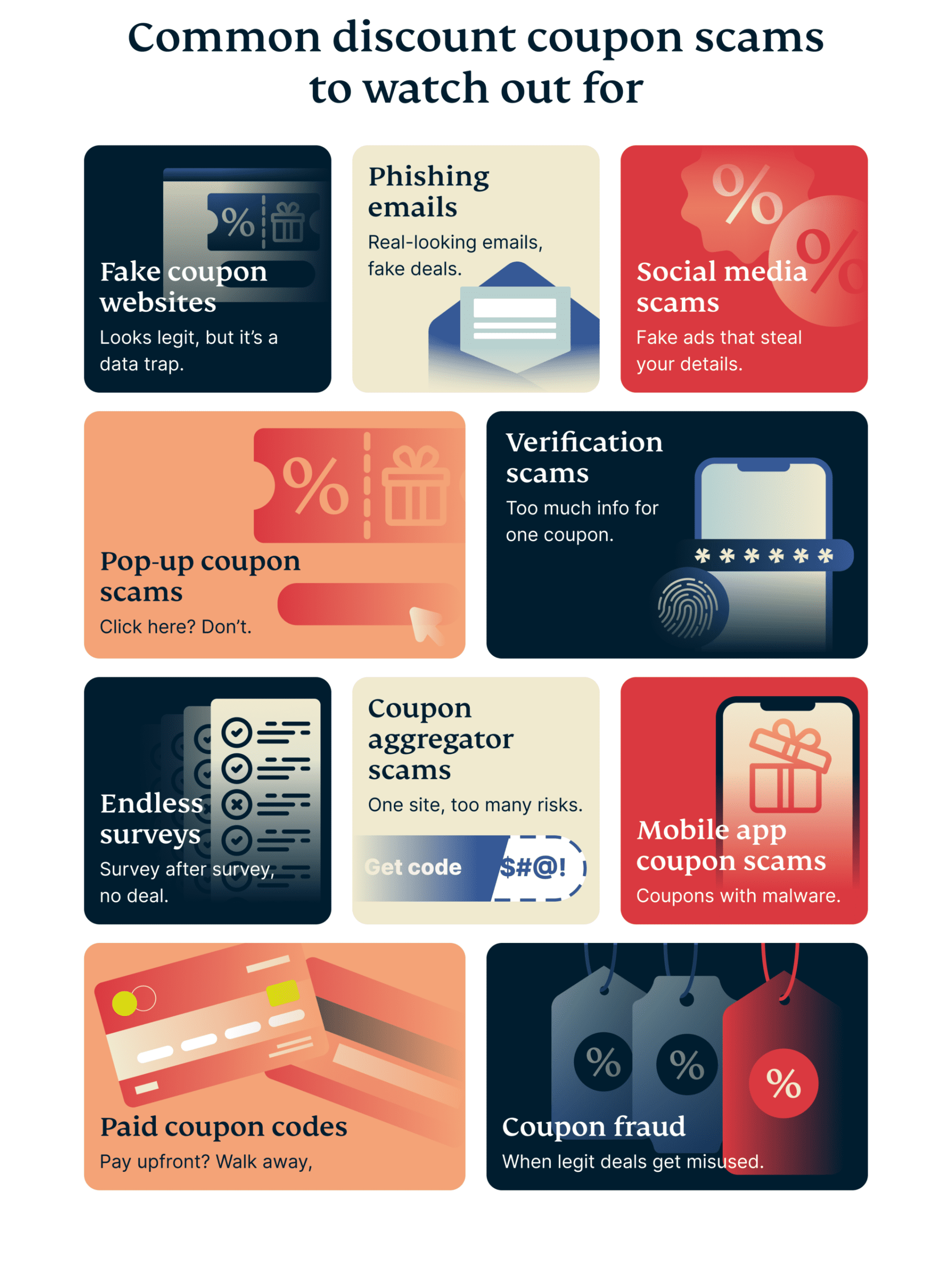
    Protecting Against Coupon Fraud

    Coupon fraud is a growing problem in online and in-store shopping. Fake coupons can trick shoppers into buying products at higher prices. Protecting yourself helps save money and avoid scams. Learn how to spot fake coupons and use safe practices to avoid fraud.

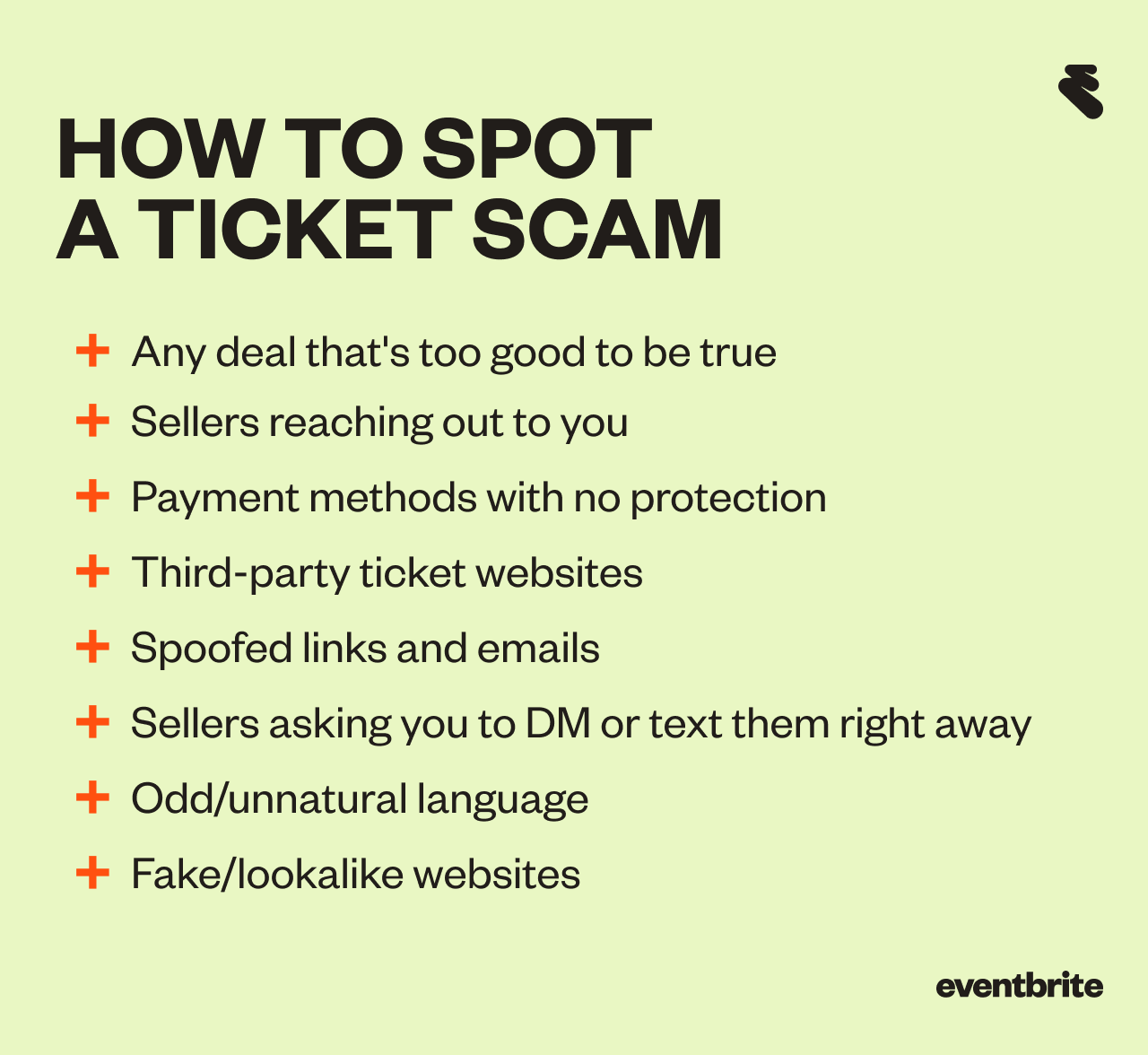
    Recognizing Scam Coupons

    Scam coupons often look too good to be true. They may have unclear expiration dates or strange barcodes. Fake coupons might ask for personal information or direct you to suspicious websites. Always check the coupon’s source. Official retailers rarely send coupons through unknown emails or texts.

    Safe Coupon Practices

    Use coupons only from trusted sources. Verify coupons on the retailer’s website before use. Avoid sharing coupon codes on public forums or social media. Never provide personal details to claim a coupon. Keep your coupon apps updated to protect against fake offers.

    Business Impact Of Fraud

    Coupon fraud causes losses for businesses, leading to higher prices for honest shoppers. It can hurt small retailers more than large chains. Fraudulent coupons reduce profits and increase costs. Supporting safe coupon use helps keep deals fair and available for everyone.

    Best Deals in 2025: How to Spot Real Discounts Vs. Fake Sales Easily

    Credit: www.eventbrite.com

    Frequently Asked Questions

    How To Spot A Fake Discount?

    Check the item’s price history using tools like CamelCamelCamel. Compare prices with similar products online. Verify genuine reviews. Avoid relying on inflated list prices.

    How To Know If Something Is Actually On Sale?

    Check the item’s price history using trackers like CamelCamelCamel. Compare prices with similar products online. Avoid relying on list prices alone. Read reviews and verify model numbers to ensure authenticity. This helps confirm if a sale is genuine or just a marketing tactic.

    How To Tell If Prime Day Deals Are Real?

    Use price tracking tools like Keepa or CamelCamelCamel to check an item’s price history. Compare current deals with past prices. Read honest customer reviews and verify product model numbers. Avoid relying solely on list prices, as they can be misleading.

    This helps confirm if Prime Day deals are genuine.

    How To Get A Discount On Everything?

    Use coupons, shop during sales, compare prices, apply cashback offers, and use price-tracking tools to get discounts on everything.

    Conclusion

    Finding genuine discounts takes patience and careful checking. Always compare prices across different stores and dates. Use price tracking websites to see true price changes. Read customer reviews to learn about product quality and seller honesty. Avoid rushing into deals that seem too good to be true.

    Smart shopping means saving money without falling for fake sales. Keep these tips in mind for better purchases in 2025. Stay alert and shop with confidence to get the best deals.

  • The Rise of Social Commerce: Shopping Directly on Tiktok Unveiled

    The Rise of Social Commerce: Shopping Directly on Tiktok Unveiled

    Imagine scrolling through TikTok and suddenly spotting a product you love—then buying it without ever leaving the app. Sounds convenient, right?

    That’s exactly what social commerce on TikTok is all about. It’s changing the way you shop by blending entertainment with instant purchasing. If you want to discover how TikTok is transforming your shopping experience and why millions are jumping on this trend, keep reading.

    This could be the easiest way to shop you’ve ever tried.

    Social Commerce Growth

    Social commerce is growing rapidly across the globe. More people now shop directly through social media platforms. TikTok leads this trend by blending entertainment with easy shopping. Users discover products through videos and buy without leaving the app. This new way of shopping changes how brands reach customers. It offers a smooth and quick buying experience that appeals to younger audiences.

    Market Expansion

    The social commerce market expands every year. TikTok’s user base grows, attracting millions of potential buyers. Many sellers join TikTok Shop to reach this audience. The platform supports small businesses and big brands alike. Shopping features like live streams and in-feed videos boost sales. As internet access improves worldwide, more users join social commerce. This growth helps TikTok strengthen its place in e-commerce.

    Key Players

    TikTok is a key player in social commerce. It competes with platforms like Instagram, Facebook, and Pinterest. Each platform offers unique shopping tools and experiences. TikTok stands out with its short videos and viral trends. Influencers and creators play a big role in product promotion. Brands collaborate with these creators to reach target audiences. Together, they shape the future of social commerce shopping.

    The Rise of Social Commerce: Shopping Directly on Tiktok Unveiled

    Credit: explodingtopics.com

    Tiktok Shop Features

    TikTok Shop offers several features that make shopping easy and fun. These features let users buy products without leaving the app. Sellers and creators can connect directly with shoppers through videos and live streams. Below are the main features that define TikTok Shop.

    In-feed Shopping

    In-feed shopping allows users to discover products while scrolling through their feed. Videos show products with a shopping bag icon. Tapping the icon leads to product details and purchase options. This feature blends content and shopping in one place. It keeps users engaged and encourages impulse buying.

    Live Shopping Events

    Live shopping events let sellers showcase products in real time. Viewers can ask questions and see the product up close. Hosts often offer special deals during live streams. This creates excitement and trust for buyers. The interactive format makes shopping feel personal and immediate.

    Showcase Tab

    The Showcase tab appears on a seller’s or creator’s profile. It displays all available products in one spot. Shoppers can browse and buy directly from the profile page. This feature helps sellers build a brand and loyal following. It also makes shopping simple and organized for customers.

    How Tiktok Drives Sales

    TikTok has changed how people shop online. It blends fun videos with easy buying options. This mix helps businesses sell more products fast. TikTok keeps users engaged and ready to buy.

    The platform uses smart ways to boost sales. It connects brands with popular creators. It offers product picks based on user interests. The checkout process is quick and smooth. These features make shopping on TikTok simple and enjoyable.

    Influencer Partnerships

    TikTok works with influencers who have many followers. These creators show products in real-life use. Their honest reviews build trust with viewers. Fans often buy items recommended by their favorite stars. This approach helps brands reach large and active audiences.

    Personalized Recommendations

    TikTok learns what users like by watching their activity. It suggests products matching each person’s tastes. These tailored picks keep users interested longer. Personalized feeds increase chances of making a sale. Users feel understood and find products they want quickly.

    Seamless Checkout

    TikTok offers a checkout system inside the app. Buyers do not need to leave TikTok to pay. This saves time and reduces steps to complete a purchase. Fast payment options lower the chance of cart abandonment. The smooth process encourages users to buy more often.

    The Rise of Social Commerce: Shopping Directly on Tiktok Unveiled

    Credit: explodingtopics.com

    Impact On E-commerce

    The rise of social commerce on TikTok is reshaping the e-commerce landscape. Shopping directly on TikTok merges entertainment with buying, changing how people shop online. This shift impacts businesses, consumers, and the entire retail ecosystem.

    Shift In Consumer Behavior

    Consumers now expect quick and easy shopping options on social platforms. TikTok’s format encourages impulse buying through short videos and live streams. Users trust creators and influencers more than traditional ads. This trust drives higher engagement and purchase rates. Shoppers enjoy discovering products through fun and authentic content.

    Brand Engagement

    Brands interact with customers in more personal ways on TikTok. They create content that feels natural, not just promotional. Live shopping events allow direct conversations between sellers and buyers. Customers feel part of a community, increasing loyalty and repeat purchases. This engagement helps brands build stronger relationships with their audience.

    New Business Models

    TikTok enables small businesses and creators to sell products without a website. Many brands adopt direct-to-consumer models through TikTok Shop. Influencers act as sales channels, blending content creation with product promotion. This approach reduces costs and speeds up the sales process. The platform supports new ways of reaching customers and growing sales.

    Challenges And Risks

    The rise of social commerce on TikTok brings exciting opportunities. Yet, it also comes with challenges and risks. These factors can affect both buyers and sellers. Understanding these issues helps users navigate the platform more safely and effectively.

    Trust And Security

    Trust is vital for social commerce to succeed. Many users worry about fake reviews and counterfeit products. TikTok must ensure sellers are genuine. Data privacy is another concern. Personal and payment information must be protected from breaches. Without strong security, users may hesitate to shop on TikTok.

    Regulatory Issues

    Regulations differ across countries. TikTok faces challenges in complying with various laws. Consumer protection rules require clear product information and fair return policies. Advertising rules must prevent misleading claims. Non-compliance can lead to fines or bans. These legal hurdles slow down social commerce growth on TikTok.

    Platform Competition

    TikTok competes with major platforms like Instagram and Facebook. Each platform works to attract sellers and buyers. TikTok must keep improving its shopping features. User experience and product variety matter a lot. Staying ahead is tough as competitors invest heavily in social commerce. This competition impacts TikTok’s market share and innovation pace.

    The Rise of Social Commerce: Shopping Directly on Tiktok Unveiled

    Credit: vocal.media

    Future Trends

    The future of social commerce on TikTok looks promising and full of growth. New trends will shape how users shop and interact with brands on the platform. Businesses and creators must stay aware of these changes to succeed in the evolving market.

    Integration With Other Platforms

    TikTok will connect more with other social media and e-commerce sites. This will allow users to shop across different apps smoothly. Cross-platform features will help brands reach wider audiences. Sharing products and sales between platforms will become easier. The shopping experience will feel more unified and simple for users.

    Technological Innovations

    New technology will improve how people shop on TikTok. Artificial intelligence will offer better product recommendations. Augmented reality will let users try products virtually before buying. Live shopping events will get more interactive and fun. These technologies will make shopping more personal and engaging.

    Global Expansion

    TikTok shopping will grow in more countries worldwide. New markets will open for brands and sellers. Local payment methods and currencies will be supported. This will help users shop comfortably and safely. Global expansion will bring diverse products to TikTok shoppers everywhere.

    Frequently Asked Questions

    Is Tiktok Shop A Social Commerce?

    Yes, TikTok Shop is a social commerce platform. It combines social media with e-commerce through in-app shopping and live events. Users can buy products directly from videos and creator profiles, making shopping interactive and seamless. This integration boosts engagement and drives sales within the TikTok app.

    Is Tiktok Driving Us Social Commerce Growth?

    TikTok significantly drives US social commerce growth through TikTok Shop, live shopping, and direct product links in videos. It leads social commerce by hosting more stores than other platforms.

    Is Tiktok Shop Direct To Consumers?

    TikTok Shop enables sellers to sell products directly to consumers through videos, live streams, and a dedicated shopping tab. Customers can buy items instantly within the app, making it a direct-to-consumer social commerce platform.

    What Is The New Tiktok Shopping Feature?

    The new TikTok shopping feature lets users buy products directly through videos, live streams, and creator profiles within the app.

    Conclusion

    Social commerce on TikTok changes how people shop online. It blends videos, social interaction, and easy buying. Users find products while watching their favorite creators. This new shopping style saves time and adds fun. Businesses reach customers in a natural way.

    As TikTok grows, expect more shopping features soon. Social commerce is shaping the future of online retail. Keep an eye on this trend to stay updated.

  • Pay Later in 2025: Safe Or Risky? Expert Insights Revealed

    Pay Later in 2025: Safe Or Risky? Expert Insights Revealed

    Are you considering using “Pay Later” options in 2025 but wondering if it’s truly safe or just a risky trap? You’re not alone.

    Many people find the idea tempting—buy what you want now and pay over time—but beneath the surface, there are hidden dangers you need to be aware of. Could this convenient payment method affect your finances or credit score? Will it help you manage your budget or push you deeper into debt?

    Keep reading to discover the truth about paying later in 2025 and how to protect your financial well-being. Your money matters, and so does making the right choice.

    Pay Later in 2025: Safe Or Risky? Expert Insights Revealed

    Credit: www.youtube.com

    Rise Of Pay Later Services

    Pay Later services have grown quickly in recent years. They let shoppers buy now and pay for items later in small installments. This option appeals to many people who want more time to pay without using credit cards.

    In 2025, these services are even more popular. They appear on many websites and apps. More customers use them for everyday purchases, from clothes to electronics.

    Growth Trends In 2025

    Pay Later services have seen strong growth in 2025. More stores and online shops offer this payment choice. Customers find it easy and flexible. This has led to a rise in users worldwide.

    Reports show billions of dollars flow through Pay Later platforms each year. The number of transactions keeps rising. Younger buyers especially prefer these services over traditional credit.

    Popular Providers And Platforms

    Several companies lead the Pay Later market. Firms like Klarna, Afterpay, and Affirm stand out. They work with many online retailers and physical stores.

    These platforms offer simple apps and quick approvals. They often require no credit check, which attracts many users. Some services now add extra features like spending limits and reminders.

    How Pay Later Works

    Understanding how Pay Later works helps you decide if it suits your spending habits. This payment option lets you buy items now and pay over time. The process involves clear steps that make it easy to use. Knowing these steps protects you from unexpected costs and risks.

    Payment Structures

    Pay Later plans usually split the total cost into smaller payments. These payments are often interest-free if paid on time. Commonly, you pay in four equal installments over a few weeks. Some plans offer longer terms with small interest fees. This structure helps manage your budget by spreading out payments. Missing a payment may lead to late fees or added interest. Always check the payment schedule before choosing a plan.

    Eligibility And Approval Process

    Approval for Pay Later is quick and usually done online. Providers may ask for basic personal and financial information. Some do not perform hard credit checks, making approval easier. Others may check credit scores to reduce risk. Approval depends on your ability to pay, not just credit history. Limits on spending amounts vary by provider and your profile. Keep your details accurate to avoid delays or denial. Using Pay Later responsibly helps maintain your credit health.

    Benefits For Consumers

    Pay Later services in 2025 offer several benefits for consumers. These options allow users to buy items immediately and pay over time. This approach fits many lifestyles and budgets. It helps people manage purchases without large upfront costs. Understanding these benefits helps consumers decide if Pay Later suits their needs.

    Convenience And Flexibility

    Pay Later provides a smooth shopping experience. Consumers can complete purchases quickly without waiting to save money. This service supports both online and in-store buying. Flexible payment schedules let users choose plans that fit their finances. It reduces stress over large payments at once.

    Many Pay Later platforms offer automatic reminders. These alerts help avoid missed payments. Users enjoy freedom to shop without immediate financial pressure. This convenience is appealing for busy or budget-conscious shoppers.

    Budget Management Advantages

    Pay Later helps spread out expenses over weeks or months. This division makes high-cost items more affordable. Consumers can plan monthly budgets better with fixed payments. It prevents sudden hits to their bank accounts.

    Using Pay Later wisely encourages disciplined spending. Consumers avoid using credit cards with high interest rates. They can keep track of payments easily through app notifications. This transparency supports smarter financial decisions.

    Potential Financial Risks

    Pay Later services offer convenience but carry financial risks. Users may face challenges that affect their money and credit health. Understanding these risks helps make smarter choices.

    Debt Accumulation Concerns

    Pay Later lets people buy now and pay later in parts. This can lead to spending more than one can afford. Small purchases add up quickly, creating a large debt. Missing payments only makes the debt bigger. This cycle traps many users in growing financial trouble.

    Impact On Credit Scores

    Late or missed payments may harm credit scores. Some Pay Later companies report payment history to credit bureaus. Negative marks reduce credit scores and borrowing power. Poor credit can limit future loans or raise interest rates. Users should track payments carefully to avoid damage.

    Hidden Fees And Charges

    Pay Later plans sometimes include hidden fees. Late fees, service charges, or interest may apply. These extra costs increase the total amount owed. Users might not notice fees until bills arrive. Reading terms closely helps prevent unexpected charges.

    Behavioral Impacts

    Pay Later options influence how people behave with money. These services make it easy to buy now and pay later. This changes shopping habits and spending patterns. Understanding these behavioral impacts helps us see if Pay Later is safe or risky.

    Many users feel less pain when spending because payment is delayed. This can lead to unexpected buying choices. The way people think about money and value shifts with Pay Later.

    Impulse Buying Trends

    Pay Later encourages quick buying without much thought. Shoppers often decide fast because they do not pay immediately. This leads to more impulse purchases than usual. Small items or expensive products get added to carts. Shoppers may buy things they do not really need or want. This behavior can increase overall spending.

    Retailers use Pay Later to attract buyers who hesitate. Easy payment plans lower the barrier to buy on impulse. This trend grows especially among younger shoppers. Impulse buying becomes more frequent and harder to control.

    Overspending Risks

    Easy access to Pay Later increases the chance of spending too much. People may lose track of how much they owe. Multiple purchases on different platforms add up quickly. Repayment deadlines can pile up and cause stress. Missing payments may result in fees and higher debt.

    Overspending hurts financial health over time. It can lead to borrowing beyond means. Some users face difficulty managing budgets due to delayed payments. Careful planning is needed to avoid debt traps.

    Pay Later in 2025: Safe Or Risky? Expert Insights Revealed

    Credit: www.accessenergycoop.com

    Expert Opinions

    Experts provide valuable insights on the safety and risks of Pay Later services in 2025. Their views help consumers understand the financial impact and regulatory environment. Let’s explore what financial advisors and regulators say about this popular payment option.

    Financial Advisors’ Views

    Financial advisors often warn about the hidden dangers of Pay Later plans. They note that these services may encourage overspending and impulse buying. Users might take on more debt than they can afford. Advisors stress the importance of budgeting before using Pay Later options. They recommend tracking all payments carefully to avoid late fees. Some experts suggest these plans can harm credit scores if payments are missed. Others highlight that Pay Later may offer short-term relief but lead to long-term debt. Overall, advisors advise caution and careful planning with these services.

    Regulatory Perspectives

    Regulators focus on consumer protection within the Pay Later market. They are concerned about the lack of clear credit checks by many providers. This can lead to consumers being approved for unaffordable payments. Regulators push for more transparency in fees and terms. They also call for stronger rules to report late payments to credit bureaus. Some authorities consider setting limits on the total debt a consumer can carry. New regulations aim to reduce the risk of debt traps. Regulators emphasize educating consumers about the risks before using Pay Later services.

    Safety Measures And Best Practices

    Using Pay Later services in 2025 requires careful attention to safety measures and best practices. These steps help protect your finances and credit score. Understanding how to use these services responsibly prevents unexpected fees and debt problems.

    Being informed about alternatives also helps you choose the best payment option for your situation. This knowledge supports better money management and avoids common pitfalls linked to Pay Later plans.

    How To Use Pay Later Responsibly

    Set a clear budget before choosing Pay Later options. Only buy items you can afford to repay on time. Keep track of all payment due dates to avoid late fees. Review the terms and conditions carefully before agreeing. Use Pay Later for planned purchases, not impulse buys. Avoid using multiple Pay Later services at once. Monitor your spending regularly to prevent debt buildup.

    Alternatives To Consider

    Consider using a credit card with low interest instead of Pay Later. Save money in advance for bigger purchases. Use debit cards to avoid borrowing money altogether. Explore personal loans with fixed repayment plans. Check if stores offer installment plans with no fees. Ask about discounts for paying in full upfront. Choose the payment method that fits your financial habits best.

    Pay Later in 2025: Safe Or Risky? Expert Insights Revealed

    Credit: www.andacademy.com

    Future Outlook

    The Pay Later trend is growing fast. More people use it to manage their spending. This raises questions about safety and risks. The future will bring changes that affect how this service works. Understanding these changes helps consumers and businesses prepare better.

    New rules and shifting habits will shape Pay Later’s role in finance. These factors will decide if it stays safe or becomes risky. Let’s explore what lies ahead.

    Regulatory Changes On The Horizon

    Governments plan to introduce stricter rules for Pay Later services. These rules will focus on protecting consumers from debt traps. Companies may need to perform credit checks more often. Transparency about fees and payment terms will increase.

    Regulations will require clearer communication of risks involved. This can prevent users from overspending and missing payments. Authorities want to avoid hidden charges that hurt consumers.

    Stronger oversight will make Pay Later safer but may limit some features. Providers must balance innovation with consumer protection. These changes will affect how users access and use Pay Later options.

    Evolving Consumer Behavior

    Consumers are becoming more aware of financial risks. Many now read terms carefully before using Pay Later. They want to avoid debt and late fees. Education on responsible spending is growing through media and apps.

    Users expect more control over payments and better support from providers. Flexibility in repayment plans will attract cautious buyers. Some may reduce usage after experiencing fees or credit impacts.

    Trust is key for Pay Later’s future. Services that offer clear benefits and safety will keep users loyal. Consumer habits will drive providers to improve features and transparency.

    Frequently Asked Questions

    What Is The Buy Now, Pay Later Market In 2025?

    The buy now, pay later market in 2025 will grow rapidly, driven by consumer demand and expanding merchant adoption. It faces increasing regulation and risk management challenges.

    Is Buy Now, Pay Later Risky?

    Buy Now, Pay Later can be risky due to missed payments, added fees, and potential credit score damage. It may encourage overspending and debt accumulation. Use it cautiously and only for affordable purchases to avoid financial problems.

    Is Pay Later Safe To Use?

    Pay later services can be safe if you manage payments on time. Missing payments may cause fees and hurt credit scores. Always review terms and spend within your budget to avoid debt risks.

    What’s The Problem With Buy Now, Pay Later?

    Buy Now, Pay Later can cause overspending and debt buildup. Missed payments lead to fees and hurt credit scores. It spreads cost but doesn’t reduce total debt.

    Conclusion

    Pay later services in 2025 offer convenience but carry risks. Missing payments can lead to fees and damage credit scores. Using these plans without a budget may cause debt buildup. Always check terms before committing to pay later options. Wise choices help avoid financial trouble and keep spending under control.

    Stay informed and spend carefully for a safer payment experience.

  • Best Shopping Tips: Unlock Savings and Smart Deals

    Best Shopping Tips: Unlock Savings and Smart Deals

    Ever find yourself overwhelmed by endless aisles, flashing sales signs, and an overflowing online cart? You’re not alone.

    Navigating the world of shopping can feel like a maze. But what if you could master it with ease and confidence? Imagine walking into a store or clicking through an online shop, knowing exactly what you want and how to get the best deal.

    Sounds like a dream, right? Well, you’re about to discover the secrets to transforming that dream into reality. With these best shopping tips, you’ll gain the insights to shop smarter, save money, and make decisions that truly satisfy your needs. Ready to unlock the savvy shopper within you? Let’s dive in and turn every shopping trip into a triumph.

    Create A Shopping Budget

    Creating a shopping budget might sound like a chore, but it’s actually a powerful tool that can transform your shopping experience. By setting clear boundaries, you take control of your spending and make smarter choices. Imagine shopping without the guilt or worry of overspending. Wouldn’t that be refreshing?

    Understand Your Finances

    First, get a clear picture of your financial situation. How much money do you actually have available for shopping? Look at your income, expenses, and any debts. Knowing these numbers will help you set a realistic budget.

    Think about your priorities. What are the non-negotiable expenses? Rent, bills, and savings should be covered before you think about shopping. This helps you avoid dipping into funds meant for essentials.

    Set A Realistic Budget

    Once you know your financial limits, decide how much you’re comfortable spending on shopping each month. Make sure this budget aligns with your financial goals and doesn’t compromise other important areas.

    Consider setting aside a small percentage for unexpected finds or deals. This way, you won’t feel guilty about splurging occasionally, but you won’t break the bank either.

    Track Your Spending

    Keep a record of every purchase you make. This can be as simple as jotting it down in a notebook or using a budgeting app. Tracking helps you stay accountable and understand your spending habits.

    Review this regularly. Are you sticking to your budget? If you notice a pattern of overspending, adjust your budget or shopping habits accordingly. This reflection can save you from future financial stress.

    Adjust As Needed

    Life is unpredictable. Some months might require more spending than others. Be flexible and adjust your budget when necessary. Just ensure any changes are sustainable and don’t lead to debt.

    Have you ever found yourself in an unexpected shopping dilemma? How did you handle it? Share your experiences in the comments and let’s learn from each other.

    Make It A Habit

    Creating a shopping budget isn’t a one-time task. Make it a regular part of your financial planning. The more you practice, the easier it becomes.

    Embrace the sense of accomplishment and peace that comes from knowing you’re in control of your finances. Wouldn’t it be great to shop without stress?

    Research Before Buying

    Smart shopping begins with thorough research. Understanding product features and comparing prices ensures you make informed decisions. Save money and avoid regrets by exploring options before purchasing.

    When you’re shopping, it’s tempting to grab the first item you see and rush to the checkout. But taking a moment to research before buying can save you money and help you find better quality products. Spending a little time online to gather information can make a big difference in your shopping experience. Let’s dive into some practical steps to make your research effective and efficient.

    Compare Prices

    Finding the best deal is easier than ever with price comparison tools and websites. Use these resources to check different sellers and platforms. You might be surprised to find significant price differences for the same product. Have you ever felt the rush of snagging a bargain? Comparing prices can give you that thrill again and again. Keep an eye out for discounts, promo codes, or seasonal sales. You might even discover a bundle deal that offers more value for your money.

    Read Reviews

    Reviews can be your best friend when it comes to making informed decisions. Customers who have purchased the product often share honest feedback about their experience. This can reveal insights about the product’s quality, durability, and performance that aren’t mentioned in the product description. Don’t just skim through the star ratings. Take time to read through a mix of positive and negative reviews. What do people love about the product? What are the common complaints? This balanced view can help you weigh the pros and cons before making a purchase.

    Check Product Ratings

    Product ratings offer a snapshot of how well a product is received by the general public. Look for items with high ratings and a substantial number of reviews. A product with a 4.5-star rating backed by thousands of reviews is generally more reliable than one with a perfect score but only a handful of reviews. Have you ever been swayed by a shiny five-star rating, only to be disappointed later? Ensure the ratings are based on genuine customer feedback. Sometimes, a slightly lower-rated product with constructive reviews can be a better choice. By doing your homework before buying, you can make smarter shopping decisions. What strategies do you use to ensure you’re getting the best deal? Share your thoughts in the comments below!

    Utilize Discounts And Coupons

    Save money by using discounts and coupons during shopping. This easy tip helps reduce costs significantly. Always check for available deals before purchasing.

    Utilizing discounts and coupons can significantly reduce your shopping expenses. Whether shopping online or in-store, smart shoppers always hunt for deals. This strategy is not only cost-effective but also a fun challenge. Finding the right coupon can save money and make shopping enjoyable.

    Find Online Coupons

    Online coupons offer great savings. Search for them on coupon websites. Retailers often have exclusive online deals. Use search engines to find specific coupons. Enter the store name followed by “coupon” in the search bar. This method often reveals hidden gems. Bookmark sites that frequently update their offers. Regular checks ensure you don’t miss out.

    Sign Up For Newsletters

    Newsletters bring deals directly to your inbox. Retailers share exclusive discounts with subscribers. Signing up is simple and often free. Check your email for weekly deals. Discounts and early access to sales are common benefits. Some stores offer a first-time discount for signing up. It’s a win-win for budget-conscious shoppers.

    Use Cashback Apps

    Cashback apps reward you for shopping. Download the app and browse available deals. Purchase through the app to earn cashback. It’s like getting paid to shop. Each app has unique offers, so explore several options. Watch your savings grow over time. Use the cashback for future purchases or save it. This method adds value to your shopping routine.

    Shop During Sales Events

    Shopping during sales events can be a smart way to save money. These events offer discounts on many items. Planning your shopping around these can maximize your savings. Popular sales events happen throughout the year. Knowing which ones to shop can lead to great deals.

    Black Friday Deals

    Black Friday is one of the biggest shopping days. It happens right after Thanksgiving. Many stores offer huge discounts on various products. Electronics, clothing, and home goods often have significant price cuts. Shopping early can help you find the best deals. Make a list of items to avoid impulse buying.

    Cyber Monday Offers

    Cyber Monday follows Black Friday. It focuses on online shopping deals. Many retailers offer exclusive discounts on this day. Tech gadgets and software often see great price reductions. Shop from the comfort of your home. Ensure a stable internet connection for a smooth experience.

    Seasonal Sales

    Seasonal sales occur at different times of the year. They align with changing seasons. Spring, summer, fall, and winter sales bring discounts on seasonal items. Clothing and outdoor gear are popular during these sales. Check local stores and online retailers for the best offers.

    Opt For Quality Over Quantity

    Choosing quality ensures lasting satisfaction and value in shopping. Prioritize well-made items over numerous cheap alternatives for a better experience. Quality products often offer durability and better performance, enhancing your daily life.

    In a world where buying more is often seen as better, choosing quality over quantity can transform your shopping habits. Imagine your closet filled with items that last for years, or your kitchen stocked with gadgets that don’t break within months. This mindset not only saves you money in the long run, but it also reduces clutter and promotes sustainability. Let’s explore how investing in quality can bring value and satisfaction to your shopping experiences.

    Invest In Durable Goods

    When you buy something, think about how long it will last. A good quality item might cost more upfront, but it will serve you well for years. For example, a sturdy leather handbag can withstand daily use without falling apart. Consider the materials and craftsmanship before you make a purchase. Items made from premium materials tend to last longer and perform better. If you have ever bought a cheap pair of shoes that fell apart after a few months, you know the frustration. Ask yourself, “Will this last?” before you swipe your card. Choosing durable goods means you spend less time replacing broken items. This approach brings peace of mind and helps you avoid unnecessary spending.

    Choose Timeless Pieces

    Trendy items often lose their appeal quickly. Instead, focus on classic pieces that never go out of style. A well-tailored blazer or a simple black dress can be worn for years in various settings. Timeless pieces blend effortlessly with other items in your wardrobe. This versatility can save you from countless shopping trips. You can create new outfits without constantly buying new clothes. Think about the long-term value of your purchases. Will they still look good in five years? By choosing timeless pieces, you build a wardrobe that reflects your personal style and stands the test of time. Quality over quantity is not just a shopping strategy; it’s a lifestyle choice. It encourages you to be thoughtful about your purchases and to invest in items that bring lasting joy. What will you choose next time you shop?
    Best Shopping Tips: Unlock Savings and Smart Deals

    Credit: info.totalwellnesshealth.com

    Leverage Loyalty Programs

    Shopping can be more rewarding with loyalty programs. These programs offer great benefits to frequent shoppers. Joining a loyalty program can save money and earn rewards. Many stores have these programs, providing perks to loyal customers. Let’s explore how you can make the most out of loyalty programs.

    Earn Points

    Every purchase can help earn points. These points can be redeemed later. Collecting points is easy and adds up over time. Regular shopping can lead to big savings. Points can be used for discounts or free items. The more you shop, the more points you gather.

    Exclusive Member Discounts

    Loyalty programs often offer special discounts. Members get access to sales before others. Exclusive discounts mean more savings on your favorite items. Being a member can lead to great deals. Stores appreciate loyal customers with these special offers. Shopping becomes more enjoyable with these perks.

    Consider Secondhand Shopping

    Secondhand shopping offers unique benefits for every shopper. It’s an excellent way to save money and find rare items. With rising awareness about sustainability, secondhand shopping is gaining popularity. It allows you to support local businesses and make eco-friendly choices. Explore the world of secondhand shopping for a rewarding experience.

    Thrift Stores

    Thrift stores are treasure troves. They offer a wide variety of items at low prices. Many people donate gently used clothes, furniture, and other goods. This makes thrift stores perfect for finding unique pieces. Each visit is different, filled with surprises and excitement. You never know what you might discover. Regular visits can lead to amazing finds.

    Location matters. Some areas have thrift stores with higher quality items. Visit different stores to expand your options. Look for thrift stores in affluent neighborhoods. They often have better selections of high-end products. Don’t forget to check their special sales and discount days.

    Online Marketplaces

    Online marketplaces offer convenience. They make secondhand shopping accessible from home. Websites like eBay and Facebook Marketplace have vast selections. You can find everything from clothes to electronics. Search filters help you find exactly what you need. Compare prices and choose the best deals.

    Check seller ratings and reviews. They provide insight into product quality and seller reliability. Secure payments ensure a safe shopping experience. Online marketplaces often have buyer protection policies. These policies safeguard your purchases.

    Explore specialized secondhand apps. Apps like Depop and Poshmark focus on fashion. They offer unique, stylish pieces at affordable prices. Follow your favorite sellers for updates on new listings. This keeps you informed about fresh items.

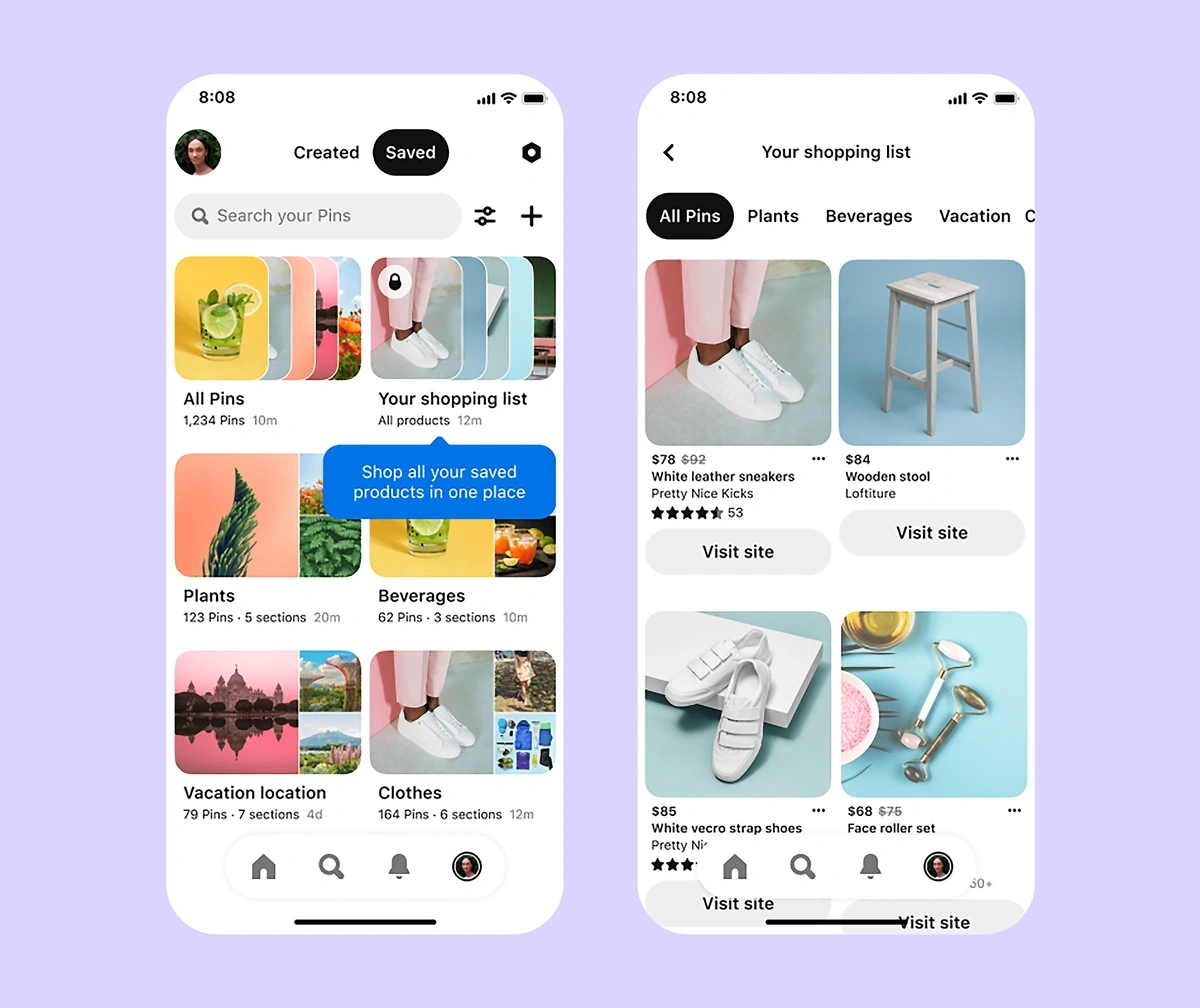
    Use Shopping Apps

    Shopping apps have transformed how we shop today. They offer convenience at our fingertips. With just a few taps, you can explore thousands of products. These apps are designed to enhance your shopping experience. They provide tools that help you save money and time.

    Price Comparison Tools

    Shopping apps often include price comparison tools. These tools let you compare prices across different stores. You find the best deals without visiting multiple websites. It saves effort and ensures you never overpay. Many apps update prices in real-time. So, you always have the latest information.

    Wishlist Alerts

    Another feature of shopping apps is wishlist alerts. Add items to your wishlist and receive notifications. You get alerts when prices drop or stock is low. This helps you purchase desired items at the right time. Stay informed without constantly checking the app. Wishlist alerts make shopping efficient and stress-free.

    Avoid Impulse Buying

    Impulse buying can drain your wallet fast. Plan purchases to avoid unnecessary spending. Make a list and stick to it.

    Shopping can be both thrilling and daunting, especially with the risk of impulse buying lurking around every corner. We’ve all been there—walking into a store, only to leave with items we didn’t plan on purchasing. These impulse buys can quickly add up, leaving your wallet lighter and your home cluttered. So, how can you avoid this common pitfall? Here are some practical tips to help you stay on track during your next shopping spree.

    Make A List

    Creating a shopping list is your first line of defense against impulse buying. Before heading out, jot down everything you need to buy. This list serves as a roadmap, guiding you through the aisles with purpose and focus. Stick to your list no matter what tempting offers come your way. You’ll find that having a plan helps you avoid distractions and unnecessary purchases. Remember, a list is not just a piece of paper; it’s your commitment to spending wisely.

    Set Time Limits

    Time can be your ally in combating impulse buying. Decide in advance how long you’ll spend shopping. This prevents you from wandering aimlessly and making spontaneous purchases. The ticking clock encourages you to prioritize what you truly need. You’re less likely to be swayed by flashy displays or enticing promotions when you know your time is limited. Ask yourself, “Do I really need this, or am I just buying it because it’s in front of me?” Consider setting alarms on your phone as reminders. This small step can save you from hours of regret and clutter. Impulse buying can be curbed with these simple strategies. Implementing them can transform your shopping experience and help you maintain control over your spending habits. Why not give them a try on your next shopping trip?
    Best Shopping Tips: Unlock Savings and Smart Deals

    Credit: info.totalwellnesshealth.com

    Best Shopping Tips: Unlock Savings and Smart Deals

    Credit: www.tripwire.com

    Frequently Asked Questions

    What Are Essential Shopping Tips For Beginners?

    Start by setting a budget to avoid overspending. Research products before purchasing and compare prices from different stores. Always look for discounts, coupons, and sales. Make a list to stay organized and focused. Lastly, read product reviews for quality assurance.

    How Can I Save Money While Shopping?

    To save money, always hunt for sales and discounts. Use coupons and cashback offers whenever possible. Consider buying in bulk for non-perishable items. Shopping during off-peak seasons often yields better deals. Finally, avoid impulse purchases by sticking to your shopping list.

    What Should I Avoid When Shopping Online?

    Avoid unverified websites to prevent scams. Always read product reviews to ensure quality. Be cautious of deals that seem too good to be true. Ensure the website is secure before entering personal details. Lastly, avoid shopping on public Wi-Fi to protect your information.

    How Do I Choose The Best Shopping Time?

    Shop during sales events like Black Friday or Cyber Monday for great deals. Morning hours on weekdays are less crowded, offering a better experience. End of season sales often have significant discounts. Always keep an eye on holiday sales and clearance events for the best prices.

    Conclusion

    Shopping smart can make a big difference. Always plan before you buy. List your needs. Compare prices online. Look for sales and discounts. Avoid impulse purchases. Stick to your budget. Quality often saves money in the long run. Read reviews to make informed choices.

    These tips help you shop wisely. Enjoy shopping without stress. Save time and money. Happy shopping!

  • How to Find Discount Codes: Unlock Savings Secrets

    How to Find Discount Codes: Unlock Savings Secrets

    Imagine saving money every time you shop online. Exciting, right?

    Discount codes can turn this dream into a reality, offering you amazing deals and price cuts on your favorite products. But finding these codes can sometimes feel like hunting for a needle in a haystack. Don’t worry; you’re not alone in this quest.

    This guide will unveil the secrets of how to find discount codes effortlessly, ensuring you never miss out on a bargain again. Ready to unlock the world of savings and stretch your budget further? Let’s dive in and explore the simplest ways to discover these hidden treasures!

    How to Find Discount Codes: Unlock Savings Secrets

    Credit: www.tiktok.com

    Online Retailer Websites

    Finding discount codes can transform your shopping experience from a budget buster to a wallet-friendly spree. One of the best places to scout for these codes is online retailer websites. They often have hidden gems waiting to be discovered, if you know where to look. Ready to unearth some savings? Let’s dive in.

    Dedicated Discount Pages

    Many online retailers have dedicated discount pages. These pages are sometimes tucked away in the corners of their websites. But once you find them, they can be a goldmine of savings.

    Some stores update these pages frequently with exclusive offers. It’s worth bookmarking these pages and checking them regularly. You never know when a deal might pop up that matches your wishlist.

    Have you ever stumbled upon a massive discount just because you were curious enough to click on a seemingly obscure link? It’s a thrill that’s hard to beat!

    Newsletter Sign-ups

    Newsletter sign-ups can be a secret weapon in your discount-finding arsenal. Retailers love rewarding their subscribers with exclusive codes. These codes often arrive straight in your inbox, just waiting for you to use them.

    Signing up for newsletters is simple and usually takes less than a minute. It’s a small commitment for potential big savings. Plus, you get first dibs on new arrivals and insider sales.

    Imagine waking up to a surprise 20% off code for your favorite store. Isn’t that a delightful way to start your day? Are you missing out on these perks simply because you haven’t signed up yet?

    By exploring retailer websites and taking advantage of their discount pages and newsletters, you can turn shopping into a smart, cost-effective adventure. What strategies do you use to find discount codes online?

    Coupon Websites

    When you’re on the hunt for a good deal, coupon websites can be a treasure trove of savings. These platforms gather a wide array of discount codes and promotional offers in one place, making it easy for you to find the best deals without breaking a sweat. Whether you’re shopping for clothes, electronics, or groceries, these sites can help you save money with just a few clicks.

    Popular Coupon Platforms

    Several coupon websites have gained popularity because of their extensive collections and user-friendly interfaces. RetailMeNot, for example, offers a massive selection of coupons and deals from thousands of retailers. Another favorite, Honey, is not just a website but a browser extension that automatically applies the best coupon codes at checkout. Groupon focuses more on local deals, offering discounts on restaurants, activities, and services in your area. Have you tried any of these platforms yet?

    User Reviews And Ratings

    User reviews and ratings are vital when you’re deciding which coupon website to trust. These reviews often highlight the success rate of the codes, which is critical in deciding whether to invest your time on a specific platform. A site with high ratings and positive reviews is more likely to have reliable and up-to-date coupons. Have you ever been frustrated by expired codes? Checking reviews might save you from that hassle.

    Finding the right coupon website can feel like striking gold, especially when you score a big discount. Next time you’re shopping online, take a moment to explore these platforms and see how much you can save. Which platform do you think will give you the best deal on your next purchase?

    Browser Extensions

    Using browser extensions is one of the most effective ways to find discount codes. They seamlessly integrate into your online shopping experience, making it easier to save money without the hassle of manually searching for deals. If you’ve ever felt frustrated by missing out on discounts, browser extensions could be your new best friend.

    Imagine this: you’re about to check out from your favorite online store when a little pop-up informs you there’s a discount code available. You didn’t even have to lift a finger to find it. That’s the magic of browser extensions in action. They work silently in the background, ensuring you never miss a chance to save.

    Top Extension Recommendations

    Choosing the right browser extension can significantly impact how much you save. Some top recommendations include:

    • Honey: Known for its wide range of supported stores and user-friendly interface, Honey automatically finds and applies the best discount codes at checkout.
    • RetailMeNot Deal Finder: This extension highlights available coupon codes and cashback offers, providing you with multiple ways to save.
    • Rakuten Cash Back Button: Not only does it find coupon codes, but it also helps you earn cashback on your purchases.

    These extensions have a strong track record and are widely used by shoppers looking to cut costs effortlessly. Which one will you try first?

    Automatic Code Application

    One of the most appealing features of browser extensions is automatic code application. Picture this: you’re shopping online, and the extension instantly applies the best available coupon at checkout. It’s as if you have your personal shopping assistant working round the clock.

    This feature saves you time and ensures you’re always getting the best deal possible. No more copying and pasting codes from random websites or worrying about expired coupons. How much time and effort could you save with this simple tool?

    Browser extensions are not just about convenience; they are about maximizing your savings with minimal effort. If you haven’t explored this tool yet, now is the perfect time to start. What’s stopping you from adding one to your browser today?

    Social Media Channels

    Social media is a treasure trove for discount codes. Many brands and influencers share exclusive offers on platforms like Instagram, Facebook, and Twitter. Engaging with these channels can help you snag great deals. It’s a simple way to save money while staying updated on your favorite brands.

    Following Brands

    Many brands share discount codes on their social media pages. Follow your favorite brands to catch these deals. Companies often post limited-time offers directly on their feeds. Turn on notifications to never miss a post. This is an easy way to save on products you love. Engaging with their posts might even earn you exclusive deals.

    Influencer Collaborations

    Influencers often collaborate with brands to offer special discounts. These codes are shared in their posts or stories. Follow influencers in your niche for relevant discounts. Influencers sometimes give insider deals not available elsewhere. They often review products, giving you an idea of what to expect. This helps you make informed purchases while saving money.

    Email Subscriptions

    Email subscriptions are a great way to find discount codes. Many brands offer special deals to their subscribers. These offers can save you money on your purchases. Joining an email list is simple. You just need to provide your email address. Let’s explore how email subscriptions can help you find discounts.

    Exclusive Offers

    Brands often provide exclusive offers to their email subscribers. These deals are not available to the general public. They might include a percentage off your next purchase. Or free shipping on your order. Subscribers can take advantage of these limited-time offers. This makes email subscriptions very valuable.

    Personalized Discounts

    Personalized discounts are common in email subscriptions. Brands use your shopping habits to tailor offers. You might receive discounts on items you frequently buy. Or a special deal on your birthday. These personalized offers make shopping more rewarding. They are a great way to save money.

    How to Find Discount Codes: Unlock Savings Secrets

    Credit: apps.shopify.com

    Mobile Apps

    Mobile apps are a fantastic tool for finding discount codes. They offer convenience right at your fingertips. Many retailers use apps to provide exclusive deals and discounts. Apps often come with features like notifications and app-only offers. These features help you save money and time.

    App-only Deals

    Many companies offer deals only available through their mobile apps. These deals are not found on websites or in stores. Downloading the retailer’s app can give you access to special discounts. These deals often change, keeping things exciting for users. Regular checks can help you grab the best offers.

    Push Notifications

    Push notifications are alerts sent by apps to your phone. They inform you about new deals and discounts quickly. Enable notifications to stay updated on the latest offers. This feature ensures you never miss a chance to save money. Notifications are easy to manage in your phone settings.

    Loyalty Programs

    Loyalty programs often offer discount codes to save money. Sign up for newsletters to receive exclusive offers. Check online forums and social media pages for shared discounts.

    Loyalty programs are an excellent way to consistently access discount codes, helping you save money on your favorite products and services. Many brands offer these programs to reward their regular customers with exclusive deals and benefits. By joining a loyalty program, you not only get a chance to save but also to enjoy a variety of perks that come along with being a member.

    Membership Benefits

    Joining a loyalty program can be your golden ticket to exclusive discounts. Members often receive special offers not available to non-members. These could include early access to sales, birthday discounts, or even free shipping. Think about it—how rewarding is it to receive a surprise discount just for being a loyal customer? Brands appreciate your dedication and reward you generously. Some programs offer tiered membership levels, where higher tiers bring more benefits. This means the more you engage, the better the deals.

    Point Accumulation

    Accumulating points is another exciting aspect of loyalty programs. Each purchase or action you take can earn you points, which can later be redeemed for discounts or free products. Imagine every dollar you spend turning into a point that brings you closer to a discount. It’s like turning shopping into a rewarding game. Many programs offer points for actions beyond purchases, like writing reviews or referring friends. This opens up more ways to earn without spending extra money. Are you maximizing your point accumulation to get the best discounts possible? It’s worth checking how your favorite brands structure their loyalty programs. In your experience, have you ever been surprised by how quickly your points added up to a significant discount?

    In-store Promotions

    In-store promotions offer great savings for shoppers. They provide opportunities to save money while shopping physically. Finding these deals can make your shopping experience more rewarding. Let’s explore some ways to find these promotions.

    Printable Coupons

    Stores often provide printable coupons. These coupons can be found online. Websites like RetailMeNot and Coupons.com are popular choices. Print these coupons at home before visiting the store. They offer discounts on specific items or entire purchases. Always check the expiration date before using them.

    Store Events

    Stores host events with exclusive discounts. These events include grand openings and special sales. Attend these events for unique offers and savings. Sign up for store newsletters to stay informed. Many stores announce events through emails or social media. Being aware of these events ensures you don’t miss out.

    Timing And Seasonal Sales

    Timing and seasonal sales can offer great opportunities for discounts. Knowing when sales occur is key. Certain times are ideal for hunting discount codes. These periods often bring significant savings.

    Holiday Discounts

    Holiday sales are a prime time for discounts. Retailers offer special deals during major holidays. Black Friday and Cyber Monday are well-known examples. Christmas and New Year’s sales are also popular. Stores compete to attract customers with enticing offers.

    Start searching for codes weeks before the holiday. Early preparation pays off. Get the best deals by planning ahead.

    End-of-season Clearance

    End-of-season clearances provide substantial discounts. As seasons change, retailers clear old stock. Winter clothes become cheaper as spring approaches. Summer items drop in price as fall begins.

    Watch for clearance events at the end of each season. These sales are perfect for finding discount codes. Patience is your ally. Wait for the right moment to snag a deal.

    Referral Programs

    Discovering discount codes often involves exploring referral programs. These programs reward users with discounts for sharing products with friends. Joining a referral program can lead to great savings.

    Referral Programs Referral programs are an excellent way to find discount codes that can save you money on your next purchase. Many companies offer incentives for referring friends to their products or services. By participating in these programs, you not only help your friends discover something new but also earn rewards for yourself.

    Sharing With Friends

    When you share a product or service you love with your friends, you create a win-win situation. Most companies provide you with a unique referral link that you can share via email, social media, or text. Your friend clicks on the link, makes a purchase, and you both benefit. Think about the last time you recommended a restaurant or a movie to a friend. Imagine getting rewarded for those recommendations. Referral programs work similarly, giving you the chance to earn discounts while helping others discover great deals.

    Rewards For Referrals

    The rewards you receive for referrals can vary. Some companies offer a percentage off your next purchase, while others provide store credits or cash rewards. It’s essential to understand the terms of the referral program to maximize your benefits. I once referred a friend to an online clothing store and received a $10 discount on my next order. It was a pleasant surprise and encouraged me to keep an eye out for more referral opportunities. Have you ever received rewards for referring someone? If not, why not explore these programs and start reaping the benefits? Referral programs are not only about discounts; they’re about connecting with your community. The next time you find a product or service you love, consider sharing it with your friends. You might just find that the rewards go beyond what you expected.
    How to Find Discount Codes: Unlock Savings Secrets

    Credit: www.formstack.com

    Frequently Asked Questions

    What Are Discount Codes?

    Discount codes are alphanumeric codes used at checkout to save money. Retailers offer them to attract customers and boost sales. They can provide percentage discounts, free shipping, or other promotions. Always check terms and conditions for usage. Some codes are one-time use, while others have expiration dates.

    Where Can I Find Discount Codes?

    You can find discount codes on retailer websites, newsletters, and social media. Many deal websites aggregate codes for various stores. Sign up for brand newsletters to receive exclusive offers. Browser extensions and apps can also notify you of available discounts.

    Always verify codes for validity and expiration.

    How Do I Use A Discount Code?

    To use a discount code, enter it during checkout in the designated box. Ensure the code applies to your items. Some codes have restrictions like minimum purchase amounts. After applying, check that the discount is reflected in the total. If not, verify the code or contact customer support.

    Are Discount Codes Available For All Products?

    Not all products are eligible for discount codes. Some exclusions may apply, like sale items or specific brands. Always read the terms and conditions associated with each code. Retailers often specify which products or categories are eligible. Check for any minimum purchase requirements or restrictions.

    Conclusion

    Finding discount codes can save you money effortlessly. Use trusted websites for genuine deals. Check newsletters and social media for exclusive offers. Join loyalty programs for additional perks and discounts. Always compare prices before purchasing. Install browser extensions to get alerts on savings.

    Shopping with discount codes makes budgeting easier and stretches your money further. Enjoy the thrill of a good bargain. Happy shopping!

  • Save Money Online: Smart Tips for Big Savings

    Save Money Online: Smart Tips for Big Savings

    Are you tired of watching your hard-earned money slip through your fingers every time you shop online? Imagine being able to save a significant chunk of your budget with just a few simple clicks.

    In a digital age where every dollar counts, learning how to save money online can transform your financial life. It’s not just about pinching pennies; it’s about making smarter choices and unlocking opportunities that most online shoppers overlook. This guide will reveal the secrets that savvy spenders use to keep more cash in their pockets.

    Get ready to discover tips and tricks that will change the way you shop forever. Dive in, and let’s start saving together!

    Budgeting Tools

    Budgeting tools help people manage money wisely. They track expenses, set savings goals, and create budgets. These tools make financial management easier. With technology, budgeting tools are more accessible than ever. Online platforms offer various options for managing finances. Free budgeting apps and online expense trackers are popular choices. They provide simple ways to keep finances in check.

    Free Budgeting Apps

    Free budgeting apps simplify money management. They are easy to use and accessible. Many apps offer features like spending alerts and savings goals. These apps help users see where their money goes. Some popular free budgeting apps include Mint, PocketGuard, and Goodbudget. Users can track expenses and manage budgets efficiently. The apps are available on both Android and iOS devices. They sync with your bank accounts for real-time updates.

    Online Expense Trackers

    Online expense trackers help keep tabs on spending. They categorize expenses and provide detailed reports. Users can monitor spending patterns over time. Online trackers offer insights into financial habits. Many platforms are web-based and accessible from anywhere. They often come with customizable features. Users can set spending limits and receive alerts. Expense trackers like Expensify and TrackMySpend are popular choices. They aid in maintaining financial discipline.

    Save Money Online: Smart Tips for Big Savings

    Credit: www.digitalunite.com

    Cashback Programs

    Cashback programs offer an easy way to save money online. Earn back a percentage of your purchases, enhancing savings and stretching your budget. Enjoy shopping while accumulating savings, making every transaction more rewarding.

    Cashback programs have become a popular way to save money while shopping online. They offer a simple yet effective method to earn back a percentage of what you spend. Imagine getting a little bonus every time you shop; that’s exactly what cashback programs offer.

    Top Cashback Websites

    Several websites specialize in offering cashback on your online purchases. Sites like Rakuten, Swagbucks, and TopCashback have become household names. Each platform partners with a variety of retailers, giving you a wide range of options to choose from. These platforms usually require you to start your shopping journey on their site. By clicking through their links, you activate the cashback offer. It’s a simple habit to adopt, yet it can make a significant difference in your savings. Have you ever thought about how much you could save in a year? By consistently using these sites, you might save enough for a weekend getaway or a fancy dinner.

    Maximizing Credit Card Rewards

    Credit cards often come with their own set of rewards and cashback opportunities. Many cards offer extra cashback on certain categories like groceries or gas. By aligning your spending with these categories, you can maximize your rewards. Consider using a credit card that offers cashback for purchases you make frequently. This way, you’re not changing your habits; you’re just getting more from them. Are you making the most of your credit card rewards? Check your card’s benefits and see if there’s an opportunity you’ve been missing. Sometimes, a simple tweak in how you pay can lead to significant savings. Incorporating cashback programs into your daily shopping routine can be a game-changer. Whether it’s through dedicated websites or strategic credit card use, the savings can add up quickly. Why not turn your regular shopping into a smart financial move?

    Coupon Strategies

    In the digital age, saving money online has become an art form, and mastering coupon strategies can be your secret weapon. Whether you’re a seasoned bargain hunter or a newbie to the world of online shopping, understanding how to use coupons effectively can make a significant difference in your spending habits. From finding the best coupon websites to stacking coupons for extra savings, these strategies are designed to help you maximize your purchasing power. Ready to transform your shopping experience? Let’s dive into the world of coupon strategies!

    Best Coupon Websites

    Finding the right coupon websites is crucial for saving money online. Some websites consistently offer valuable discounts across various retailers.

    RetailMeNot is a popular choice, offering a diverse selection of coupons and deals. It’s easy to navigate, and you can find discounts for everything from fashion to electronics.

    Another great platform is Coupons.com. It features printable coupons and digital codes that you can apply directly during your online checkout.

    Don’t overlook Honey, a browser extension that automatically applies the best coupon codes at checkout. It’s like having a personal assistant for your online shopping adventures!

    Have you ever wondered if there’s a hidden gem among coupon sites? Test different platforms and see which one consistently saves you the most money.

    Stacking Coupons For Extra Savings

    Stacking coupons is a technique that can lead to substantial savings. By combining multiple coupons, you can significantly reduce your final bill.

    Start by finding a store that allows stacking. Some retailers permit you to use both a store coupon and a manufacturer coupon on a single item.

    Think of it like assembling a puzzle; the more pieces you add, the clearer the picture becomes—only here, the picture is your savings! Have you ever found yourself surprised at how much you saved after stacking coupons? It’s a thrilling experience.

    Keep an eye out for cashback offers that can be stacked with coupons. Apps like Rakuten and Ibotta often provide cashback deals that can be combined with traditional coupons.

    Experiment with different combinations and keep track of your savings. It might require a bit of effort, but the financial rewards are worth it.

    Do you know the joy of seeing your cart total drop dramatically at checkout? Coupon stacking can be your ticket to that exhilarating moment.

    Save Money Online: Smart Tips for Big Savings

    Credit: www.appbenny.com

    Discount Alerts

    Online shopping offers many ways to save money. One of the best methods is using discount alerts. These alerts help you get the best deals without spending too much time searching. They notify you when prices drop or special offers become available. Setting up these alerts can make online shopping more efficient and budget-friendly.

    Setting Up Price Alerts

    Price alerts are easy to set up and use. Many websites and apps offer this feature. Start by selecting the product you want to track. Enter your desired price point. The service will notify you when the price matches your target. This way, you can avoid paying extra.

    Some popular platforms for price alerts include Amazon, eBay, and Google Shopping. These services monitor changes in product prices. They send alerts through email or app notifications. This ensures you never miss a good deal. You save money and time without constant searching.

    Using Browser Extensions

    Browser extensions are useful tools for finding discounts. They automatically search for coupons and price drops. Once installed, they work in the background. You get instant notifications while browsing online stores.

    Honey and Rakuten are popular browser extensions. They apply the best coupons at checkout. Some extensions compare prices across different sites. They help you choose the cheapest option. Browser extensions make saving money online simple and effortless.

    Subscription Savings

    Discover subscription savings to keep more money in your pocket. Enjoy discounts on your favorite online services. Spend less while getting more value.

    In today’s digital age, subscriptions are a double-edged sword. They offer incredible convenience but can quickly drain your wallet without careful management. With the right strategies, you can enjoy the services you love while keeping your finances intact. Let’s dive into how you can save money online by managing your subscriptions wisely.

    Managing Subscriptions

    Managing your subscriptions might seem daunting, but it’s simpler than you think. Start by making a list of all the services you’re subscribed to. This can include streaming platforms, software, or even subscription boxes. Do you really use all of them? Cancel the ones you rarely use. Consider setting reminders to review your subscriptions every few months. This helps you stay aware of any new additions or unnecessary expenses. You might be surprised at how quickly they add up.

    Finding Free Trials

    Free trials are a fantastic way to test out services without spending a dime. They’re often overlooked, yet they can save you significant money. Always be on the lookout for these opportunities. Sign up for free trials using an organized approach. Use a calendar or reminder app to note when the trial ends. This prevents accidental charges. Many services offer extended trials if you cancel before they end. This is a great way to get more time with a service without paying. Have you ever found yourself paying for something you barely use? Thoughtfully navigating free trials can prevent such pitfalls. By managing subscriptions and leveraging free trials, you’re taking control of your financial health. What small change can you make today to start saving?

    Online Marketplaces

    Online marketplaces are a treasure trove for saving money. They offer vast options and competitive pricing. Many people find great deals on these platforms. With so many choices available, it’s easy to compare prices and find hidden discounts. Let’s explore how you can make the most of online marketplaces.

    Comparing Prices

    Online marketplaces allow easy price comparisons. You can check prices across different sellers. This helps in finding the best deal. Use filters to narrow your search. Sort by price to see the cheapest options first. Many sites also show reviews and ratings. These can guide your decision-making. Always compare product features too. This ensures you’re getting the best value.

    Finding Hidden Discounts

    Hidden discounts can save you even more money. Many sellers offer coupons and promo codes. Check the product page for available discounts. Some sites have exclusive deals for members. Signing up for newsletters can alert you to special offers. Look for seasonal sales or clearance events. These often feature steep discounts. Use cashback apps for additional savings. They give you money back on purchases.

    Digital Wallets

    Digital wallets are changing the way people manage money online. They offer a secure and convenient way to handle transactions. With digital wallets, users can pay bills, shop online, and transfer funds easily. These wallets are available on smartphones and computers. They make financial tasks simple and quick.

    Benefits Of Digital Wallets

    Digital wallets save time. No need to enter card details every time. They store your payment information safely. This speeds up online shopping. Users can access multiple cards in one place. It reduces clutter and confusion. Digital wallets often offer rewards and discounts. This helps users save money on purchases.

    Securing Your Transactions

    Security is a top feature of digital wallets. They use encryption to protect your data. This keeps your financial information safe from hackers. Many wallets offer two-factor authentication. It adds an extra layer of security. Users receive alerts for every transaction. This helps spot any suspicious activity quickly. Regular updates keep digital wallets secure and efficient.

    Online Auctions

    Online auctions offer a unique way to save money. They provide access to a wide range of products. These auctions can be thrilling and rewarding. Buyers can find items at lower prices than retail. With the right approach, online auctions are a smart way to shop.

    Bidding Strategies

    Smart bidding is key in online auctions. Set a maximum bid before starting. This helps avoid overspending. Watch the auction closely. Bid in small increments. This strategy keeps prices low. Bid at the last moment. This tactic, known as “sniping,” can win auctions. Stay calm during bidding. Impulse bidding can lead to overspending.

    Finding Reliable Platforms

    Choose platforms with good reviews. Look for secure payment options. Check the seller’s rating. A high rating means reliable service. Read the platform’s terms and conditions. Understand the rules before bidding. Join communities or forums. Get recommendations for trustworthy auction sites. Familiar platforms include eBay and Bonanza. These sites offer buyer protection.

    Flash Sales

    Flash sales offer great opportunities to save money online. These sales provide huge discounts for a limited time. Shoppers can find deals on various products. Flash sales create excitement and urgency. They can help you save if approached wisely.

    Tracking Flash Sales

    Set up alerts for your favorite stores. This helps you know when a flash sale is starting. Use apps that track sales and notify you. Sign up for newsletters from online retailers. They often announce flash sales in emails. Follow brands on social media for quick updates. Twitter and Instagram are great platforms for this.

    Avoiding Impulse Buying

    Make a list before browsing flash sales. Focus on items you truly need. Don’t let discounts push you to buy unnecessary things. Give yourself time to think before purchasing. This helps in making wise decisions. Stick to your budget and avoid overspending. Impulse buying can lead to regret later.

    Save Money Online: Smart Tips for Big Savings

    Credit: www.usatoday.com

    Frequently Asked Questions

    How Can I Save Money Shopping Online?

    Look for discount codes and cashback offers. Compare prices across different websites before purchasing. Subscribe to newsletters for exclusive deals. Use browser extensions that track price drops. Be patient and wait for sales events like Black Friday.

    What Are The Best Apps To Save Money?

    Apps like Honey, Rakuten, and Ibotta offer discounts and cashback. These apps automatically apply the best available discounts. Other apps like CamelCamelCamel help you track price drops on Amazon. Make sure to check user reviews for the best experience.

    Are Subscription Services Worth The Cost?

    Subscription services can save money if used regularly. Assess your usage to determine value. Cancel unused subscriptions to avoid unnecessary expenses. Consider sharing plans with family members for savings. Always review terms and conditions before committing.

    How Do I Find Free Shipping Deals?

    Search for retailers offering free shipping promotions. Join loyalty programs that provide free shipping benefits. Use tools like FreeShipping. com for exclusive offers. Combine orders to meet minimum purchase requirements. Check if retailers offer free shipping during holiday sales.

    Conclusion

    Saving money online is easier than it seems. Start with small changes. Compare prices before buying. Use coupons and discount codes. Sign up for newsletters for special deals. Consider cashback websites to earn while spending. Always review your cart for unnecessary items.

    Set a budget and stick to it. A little planning goes a long way. Be patient and wait for sales if possible. Every penny saved counts toward your goals. With these strategies, your savings can grow. Stay consistent and watch your money stretch further online.

  • Zero-Waste Shopping Tips for Beginners: Start Eco-Friendly

    Imagine a world where your shopping habits contribute to a healthier planet. Zero-waste shopping is not just a trend; it’s a lifestyle that helps you reduce waste and make more sustainable choices.

    Are you curious about how you can make your shopping trips kinder to the environment? Maybe you want to cut down on plastic use or simply feel more aligned with your values. Whatever your motivation, diving into zero-waste shopping might seem overwhelming at first, but it doesn’t have to be.

    With a few simple tips and tricks, you can transform your shopping habits and feel good about the impact you’re making. Ready to make a change? Let’s explore some easy, beginner-friendly strategies to help you get started on your zero-waste journey.

    Benefits Of Zero-waste Shopping

    Zero-waste shopping offers a multitude of benefits. It contributes to environmental sustainability and personal well-being. Embracing this lifestyle reduces waste and promotes mindful consumption. Let’s delve into the benefits of adopting a zero-waste shopping approach.

    Environmental Impact Reduction

    Zero-waste shopping significantly reduces your carbon footprint. By choosing reusable products, you limit the need for single-use plastics. This helps decrease pollution levels in landfills and oceans. It also conserves natural resources, leading to a healthier planet.

    Cost Savings

    Adopting zero-waste shopping can save you money over time. Reusable items may have an upfront cost but last longer. This reduces the need for frequent replacements. Bulk buying also offers savings, eliminating excess packaging costs.

    Healthier Lifestyle

    Zero-waste shopping often means choosing fresh and organic products. This leads to a healthier diet and lifestyle. Reducing packaged foods limits exposure to harmful chemicals. It promotes a diet rich in nutrients and natural ingredients.

    Support For Local Businesses

    Zero-waste shopping encourages buying from local markets and stores. Supporting local businesses strengthens community ties. It also reduces the carbon emissions associated with long-distance shipping.

    Encouraging Mindful Consumption

    Zero-waste shopping fosters a mindful approach to buying. It encourages you to consider the necessity of each purchase. This leads to more intentional and thoughtful shopping habits. It helps in reducing impulse buying and waste.

    Essential Zero-waste Tools

    Discover essential tools for zero-waste shopping, perfect for beginners. Tote bags reduce plastic use effectively. Reusable produce bags keep fruits fresh and sustainable. Glass jars store bulk goods neatly, promoting eco-friendly habits.

    Are you ready to embark on a zero-waste shopping adventure? Making the switch can feel overwhelming at first, but with the right tools, you can ease into this eco-friendly lifestyle. These essential zero-waste tools not only help reduce your environmental footprint but also simplify your shopping trips. Let’s dive into these must-have items that can transform your shopping habits.

    Reusable Bags

    Reusable bags are the cornerstone of zero-waste shopping. They are versatile, durable, and reduce the need for single-use plastic bags. Picture this: you’re at the checkout, and instead of reaching for plastic, you pull out your colorful, sturdy reusable bag. It feels satisfying, doesn’t it? Opt for bags made from natural fibers like cotton or jute, as they’re both eco-friendly and stylish. Keep a few in your car or backpack, so you’re always prepared.

    Glass Containers

    Glass containers are your best friends when it comes to storing and carrying food. They are perfect for bulk shopping, keeping your pantry organized, and even transporting leftovers. Imagine the joy of opening your kitchen cupboard and seeing neatly stacked glass jars filled with grains, nuts, and spices. It’s like having your own zero-waste grocery store at home! Choose containers with airtight lids to keep food fresh. You might even find yourself getting creative with labeling and decorating them.

    Cloth Produce Bags

    Say goodbye to flimsy plastic produce bags. Cloth produce bags are a game-changer for buying fruits and vegetables. They’re lightweight, washable, and often come in various sizes to fit everything from apples to kale. Picture yourself at the farmers’ market, effortlessly tossing produce into your soft cloth bags. Not only are you reducing waste, but you’re also making a statement. How cool is it to know that your shopping habits can inspire others? Look for bags made from organic cotton for an extra green touch. As you begin your zero-waste journey, think about how these tools can simplify your shopping experience. Which item will you start with, and how will it change the way you shop? Embrace the challenge and watch your eco-friendly habits grow.

    Planning Your Shopping Trip

    Embarking on a zero-waste shopping journey? Start with a plan. Proper planning helps reduce waste and ensures a smoother shopping experience. By organizing your trip, you make conscious decisions about what you buy. This section guides you on how to plan effectively.

    Creating A List

    Always start with a list. A shopping list keeps you focused. Note down essentials before leaving home. This reduces impulse buying and waste. Remember to include quantities to avoid over-purchasing. A well-thought-out list also helps in sticking to your budget.

    Choosing Eco-friendly Stores

    Select stores that align with zero-waste principles. Many stores now support eco-friendly practices. Research to find those offering bulk buying options. Some stores even encourage bringing your own containers. Supporting such stores promotes sustainable shopping habits. It’s beneficial for you and the environment.

    Zero-Waste Shopping Tips for Beginners: Start Eco-Friendly

    Credit: notraceshop.com

    Bulk Buying Techniques

    Bulk buying is a key strategy for zero-waste shopping. It reduces packaging waste and often saves money. Beginners can feel overwhelmed, but simple techniques can ease the process.

    Finding Bulk Stores

    Begin by searching for bulk stores near you. Local directories can help locate them. Farmers’ markets might also have bulk options. Explore online resources for stores that offer bulk items. Check community boards for recommendations. Many people share their favorite spots.

    Measuring And Weighing

    Bring your own containers to the store. Ensure they are clean and ready to use. Measure each container before filling. This helps keep track of quantities. Use the store’s scales to weigh items. Note the weight so you pay accurately. Some stores have self-service scales for convenience.

    Packaging-free Purchases

    Discover the art of zero-waste shopping with packaging-free purchases. Bring reusable bags and jars to local markets. Choose loose fruits, vegetables, and bulk items to minimize waste.

    Embarking on a zero-waste shopping journey can feel overwhelming, but embracing packaging-free purchases simplifies the process. Imagine walking into a store and leaving with fresh, unpackaged items that don’t contribute to the world’s waste problem. This conscious choice not only benefits the environment but also encourages healthier, more mindful eating habits.

    Locating Loose Produce

    Start your zero-waste adventure by seeking out stores that offer loose produce. Farmers’ markets are an excellent choice, often providing fruits and vegetables without unnecessary packaging. Grocery stores with bulk sections also allow you to choose exactly how much you need, reducing waste and saving money. Consider visiting local co-ops or specialty grocery stores that prioritize sustainability. These places often have a broader selection of unpackaged goods. Remember to bring your own reusable bags or containers to make the most of these opportunities.

    Opting For Fresh Foods

    When focusing on packaging-free purchases, prioritize fresh foods over pre-packaged ones. Fresh produce, bread, and bulk items like grains and nuts are usually available without packaging. This not only cuts down on waste but also ensures you consume fewer preservatives and additives. You might find that fresh foods inspire more creative meals at home. Picture crafting a vibrant salad with market-fresh greens and tomatoes. It invites you to enjoy the natural flavors of the ingredients, enhancing your culinary skills in the process. What barriers do you face in transitioning to a packaging-free lifestyle? Identifying these can help tailor your approach and make the shift smoother. Remember, each small step contributes significantly to reducing waste and living sustainably.

    Diy Alternatives

    Embracing zero-waste shopping is a rewarding journey. DIY alternatives can help reduce waste and save money. They’re great for beginners wanting to make a positive impact. Creating products at home is easy and fun. Plus, it’s healthier for you and the planet.

    Homemade Cleaning Products

    Store-bought cleaners often contain harmful chemicals. Making your own is safer and cheaper. Mix vinegar and water for an all-purpose cleaner. Add lemon for a fresh scent. Baking soda works wonders for tough stains. These ingredients are simple yet effective.

    Glass jars make great containers. They’re reusable and eco-friendly. Label them for easy identification. This keeps your cleaning routine organized. Homemade cleaners are gentle on surfaces. They’re perfect for families with kids and pets.

    Crafting Personal Care Items

    Personal care products are easy to craft at home. Make your own toothpaste with baking soda and coconut oil. It’s natural and fluoride-free. DIY deodorant is possible with coconut oil and baking soda. Add essential oils for fragrance.

    Natural ingredients are kind to your skin. They reduce exposure to harsh chemicals. Use glass jars for storage. They keep items fresh and accessible. Personal care crafting is a fun activity. It’s a great way to involve family in eco-friendly habits.

    Dealing With Challenges

    Starting a zero-waste lifestyle is rewarding but comes with challenges. Many beginners face obstacles in reducing waste completely. Understanding these hurdles helps in staying committed. Here are some tips to tackle common issues in zero-waste shopping.

    Handling Stubborn Packaging

    Many products come wrapped in plastic. This can frustrate zero-waste shoppers. Bring your own containers to stores. Ask if they can use them instead. Some stores allow this. Others may not. Explain your zero-waste goals to them. Sometimes, they are willing to help. Choose products with less packaging. Opt for items in glass or cardboard. These are easier to recycle. Support brands that use eco-friendly packaging. Your choice influences others too.

    Dealing With Limited Options

    Finding zero-waste stores can be tough. Not all areas have them. Start with what you have. Visit local farmers’ markets. They offer fresh produce without packaging. Talk to vendors. They might offer package-free options. Online stores are also an option. Many sell eco-friendly products. Research and find reliable ones. Making small changes counts. Every step towards zero waste makes a difference.

    Zero-Waste Shopping Tips for Beginners: Start Eco-Friendly

    Credit: plantishfuture.com

    Building Sustainable Habits

    Building sustainable habits is key to successful zero-waste shopping. It involves making mindful choices and small changes. These habits help reduce waste and promote a healthier planet. Start by setting realistic goals that align with your lifestyle. Focus on simple swaps, like using reusable bags and containers. Consistency is crucial. Over time, these practices become second nature. Let’s explore how to make this journey effective and rewarding.

    Tracking Your Progress

    Tracking progress motivates and reveals areas of improvement. Keep a journal of your zero-waste efforts. Note each sustainable action you take, like refusing plastic bags. Set benchmarks to challenge yourself. For instance, aim to reduce waste by 10% monthly. Use apps to track your waste reduction and recycling habits. Celebrate small victories to stay motivated. Progress tracking builds confidence and commitment.

    Involving Your Community

    Engage your community for support and shared learning. Join local zero-waste groups or online forums. Share tips and experiences with neighbors and friends. Organize community events like swap meets or cleanup days. Encourage local businesses to adopt sustainable practices. Collaboration amplifies impact and spreads awareness. A supportive community makes the zero-waste journey enjoyable. Together, small changes lead to big results.

    Zero-Waste Shopping Tips for Beginners: Start Eco-Friendly

    Credit: www.be-the-story.com

    Frequently Asked Questions

    What Is Zero-waste Shopping?

    Zero-waste shopping involves minimizing waste by using reusable bags, containers, and avoiding single-use plastics. It focuses on buying in bulk and choosing sustainable packaging. The goal is to reduce landfill waste and promote environmental sustainability. This practice is eco-friendly and encourages conscious consumerism.

    How Do I Start Zero-waste Shopping?

    Begin by using reusable bags and containers for groceries. Plan your shopping list to avoid impulse buys. Visit bulk stores where you can buy items without packaging. Gradually replace disposable items with sustainable alternatives. Educate yourself about sustainable brands and support local markets.

    Why Is Zero-waste Shopping Important?

    Zero-waste shopping helps reduce environmental pollution and conserves natural resources. It minimizes landfill waste and decreases demand for single-use plastics. By adopting this lifestyle, you contribute to a healthier planet and support eco-friendly practices. It also encourages sustainable production and consumption patterns.

    Can Zero-waste Shopping Save Money?

    Yes, zero-waste shopping can save money in the long run. Buying in bulk often reduces costs per unit. Reusable products, though initially expensive, last longer than disposables. By prioritizing quality over quantity, you avoid unnecessary purchases, ultimately reducing your overall expenses.

    Conclusion

    Adopting zero-waste shopping habits can transform your lifestyle positively. Start small. Bring reusable bags and containers. Choose products with minimal packaging. Support local farmers’ markets. Every little effort counts. You help reduce waste and protect the environment. It benefits future generations too.

    Remember, progress is better than perfection. Celebrate each step forward. Your choices inspire others. Soon, you’ll notice the impact. Less waste, more savings, and a cleaner planet. Keep learning and sharing your journey. Together, we can create a sustainable world.

    Your commitment makes a difference. Stay motivated and keep striving for zero-waste living.

  • Cheap Online Deals: Unlock Amazing Savings Today

    Cheap Online Deals: Unlock Amazing Savings Today

    Are you tired of spending too much money on everyday purchases? Imagine saving a significant amount of cash every month, just by making smarter online shopping choices.

    Welcome to the world of “Cheap Online Deals” – your ultimate guide to unlocking fantastic savings without compromising on quality. You might think it’s too good to be true, but these deals are out there, just waiting for you to discover them.

    This blog will show you how to find the best bargains, make the most of your budget, and transform your shopping habits into a rewarding experience. Stick with us, and you’ll learn the secrets to shopping smarter and saving more. Ready to start saving? Let’s dive in!

    Cheap Online Deals: Unlock Amazing Savings Today

    Credit: www.facebook.com

    Finding The Best Deals

    Finding the best online deals can be both exciting and rewarding. Whether shopping for clothes, electronics, or household items, there are endless opportunities to save money. With smart strategies, you can discover incredible discounts without spending hours searching. Explore different methods to find top deals and make your online shopping experience enjoyable.

    Utilizing Deal Websites

    Deal websites offer a treasure trove of discounts. These platforms gather coupons and offers from various retailers. You can quickly find deals on products you love. Popular deal websites often update their lists daily. Bookmark these sites for easy access. They help you stay informed about the latest offers. Explore categories that interest you and enjoy significant savings.

    Subscribing To Newsletters

    Newsletters are a valuable resource for exclusive deals. Many online stores send newsletters with special promotions. Subscribing keeps you in the loop with new discounts. Retailers often reward subscribers with early access to sales. Signing up is usually simple and free. Check your inbox regularly for exciting offers. Saving money has never been easier.

    Following Social Media Influencers

    Influencers often share deals on their social media pages. They have connections with brands and can offer exclusive discounts. Following influencers can lead to finding great deals. Many influencers post about sales, giveaways, and promo codes. Keep an eye on their posts for opportunities to save. Engage with their content for potential extra perks. Social media is a powerful tool for deal hunters.

    Cheap Online Deals: Unlock Amazing Savings Today

    Credit: www.youtube.com

    Seasonal Discounts And Sales

    Seasonal discounts and sales bring great savings on online deals. These periods offer shoppers a chance to grab items at reduced prices. Retailers often slash prices to attract more customers. This makes it an excellent opportunity for those on a budget.

    Understanding when these sales occur can help you save big. Knowing the patterns of these discounts can lead to smart buying decisions. Let’s explore some popular seasonal sales and discounts.

    Black Friday And Cyber Monday

    Black Friday and Cyber Monday are major shopping events. They usually occur in late November. Many online stores offer deep discounts during this time. Electronics, clothing, and gadgets are often sold at reduced prices. Shoppers eagerly wait for these days to get the best deals.

    Black Friday kicks off the holiday shopping season. Cyber Monday focuses on online deals. Both days offer significant savings and attract millions of buyers. Plan your purchases ahead to maximize your savings.

    Holiday Sales

    Holiday sales cover various festive periods throughout the year. Christmas, New Year’s, and Easter are popular times for discounts. Retailers offer special promotions and deals during these holidays. It’s a great time to buy gifts or treat yourself.

    Many stores offer free shipping during holiday sales. This adds extra value to your purchases. Keep an eye out for holiday-specific discounts. They can lead to significant savings.

    End-of-season Clearances

    End-of-season clearances are perfect for bargain hunters. Retailers need to make room for new stock. They offer heavy discounts on older items. This is common at the end of summer and winter.

    Clothing, shoes, and outdoor gear often see the biggest price cuts. These sales provide a chance to buy quality items at a fraction of the price. Shop smartly and enjoy the benefits of end-of-season clearances.

    Coupons And Promo Codes

    In the digital shopping realm, “Coupons and Promo Codes” have become the magic keys to unlocking unbeatable savings. These nifty tools not only make shopping affordable but also add a dash of thrill to your purchase journey. The hunt for the perfect code can feel like a treasure hunt, where the prize is extra dollars saved.

    Where To Find Coupons

    Start your coupon quest by exploring dedicated websites like RetailMeNot and Honey. These platforms aggregate a plethora of deals, saving you time and effort. Sign up for newsletters from your favorite stores to get exclusive coupons delivered straight to your inbox.

    Social media is another goldmine for coupon hunters. Brands frequently post special discounts on their platforms, rewarding their loyal followers. Have you checked your favorite brand’s Facebook page lately?

    How To Use Promo Codes Effectively

    Applying promo codes is an art, and like any art, it requires a bit of strategy. Before you hit the checkout button, ensure your promo code is valid and hasn’t expired. Always check for any terms and conditions attached to the code.

    Stacking promo codes can lead to even more significant savings. Some retailers allow you to use multiple codes on a single purchase. Have you ever considered combining a site-wide discount with a free shipping code?

    Always compare deals before deciding. Sometimes, a promo code might offer a better discount than a store’s ongoing sale. It’s all about maximizing your savings and making the most out of every purchase.

    Have you ever scored a great deal using a promo code? Share your experience and tips with fellow readers in the comments below!

    Cashback And Reward Programs

    Cashback and reward programs can be a game-changer for anyone looking to save money on online purchases. Imagine getting a portion of what you spend back into your pocket. It’s a simple way to make your shopping experience more rewarding. These programs are easy to join and can offer significant savings over time. But how do you choose the best ones for your needs?

    Top Cashback Websites

    Some websites specialize in offering cashback on purchases from a wide range of retailers. A site like Rakuten is popular because it partners with thousands of stores, allowing you to earn cashback on almost anything you buy. It’s straightforward: shop through their portal, and watch your rewards grow.

    Another great option is Honey, known for its browser extension that automatically applies coupon codes and offers cashback. You might have heard of it from a friend who saved big on their last vacation booking. These sites are simple to use and often require just a few clicks to start earning.

    Loyalty Programs Worth Joining

    Loyalty programs can be just as beneficial as cashback websites. Have you ever noticed points accumulating in your account after purchasing from your favorite store? That’s the magic of loyalty programs. They reward repeat customers and make shopping more enjoyable.

    Consider joining programs like Sephora’s Beauty Insider or Starbucks Rewards. These programs offer perks such as exclusive discounts, free samples, or even a free coffee after a certain number of purchases. It’s like getting a little thank-you every time you shop.

    So, why not turn your regular spending into a rewarding experience? Do you think cashback and loyalty programs could change the way you shop? Take a moment to explore these options and see how much you could save. You might be surprised at the benefits waiting for you.

    Price Comparison Tools

    Discover amazing bargains with price comparison tools. Find cheap online deals by comparing prices from different stores. Save money effortlessly and shop smartly online.

    Finding the best deals online can be like searching for a needle in a haystack. With prices fluctuating daily, it’s easy to feel overwhelmed. That’s where price comparison tools come into play. These handy resources can save you money and time by quickly showing the best available prices across multiple retailers. Imagine the satisfaction of knowing you’ve scored the best deal with just a few clicks!

    Best Online Tools

    There are several standout tools that can help you compare prices effectively. Websites like Google Shopping, PriceGrabber, and Shopzilla are popular choices. They allow you to type in a product and instantly see a list of prices from various sellers. Browser extensions like Honey and CamelCamelCamel are also game-changers. They not only track price changes but alert you when your favorite items drop in price. These tools are especially useful for frequent online shoppers who want to catch deals without constantly checking websites.

    How To Compare Prices Efficiently

    To get the most out of these tools, it’s crucial to know how to use them efficiently. Start by being specific with your search terms. If you’re looking for a “wireless mouse,” add details like “Bluetooth” or the brand name for more accurate results. Set up price alerts for items you plan to purchase in the future. This way, you’ll receive notifications when the price drops, ensuring you buy at the best time. It’s also worth checking out user reviews and ratings. Sometimes a lower price comes with hidden costs, like shipping fees or poor customer service. By being thorough, you can ensure that the deal is genuinely worth your money. Have you ever wondered how much you could save just by dedicating a few extra minutes to compare prices? Next time you’re about to make a purchase, try using one of these tools. It might surprise you how much money stays in your pocket!
    Cheap Online Deals: Unlock Amazing Savings Today

    Credit: theinfinitytravel.com

    Avoiding Scams And Fraud

    Online shopping offers convenience and savings. But there are risks. Scams and fraud can ruin a good deal. Being aware and cautious is key. Protect yourself by knowing what to watch for. Stay safe while hunting for bargains.

    Recognizing Red Flags

    Scammers use fake sites. They mimic popular brands. Check URLs carefully. Look for misspellings or extra letters. Genuine sites have secure connections. See if the URL starts with “https.” Secure sites have a padlock icon. Be wary of deals too good to be true. Unrealistic discounts often signal scams. Read reviews from other buyers. Negative feedback or no reviews is a warning.

    Securing Your Transactions

    Use secure payment methods. Credit cards offer protection. Avoid wire transfers or prepaid cards. These don’t offer recourse. Use trusted platforms like PayPal. They provide buyer protection. Keep transaction records. Save receipts and confirmations. This helps in disputes. Monitor your bank and card statements. Report unauthorized charges immediately.

    International Shopping Tips

    International shopping has opened up a world of possibilities, allowing you to snag deals and unique finds from across the globe. But shopping online from international stores can be a bit tricky. Let’s dive into some essential tips that can help you make the most of your global shopping experience.

    Dealing With Shipping Fees

    Shipping fees can add up quickly and turn a great deal into an expensive purchase. Look for stores that offer free or discounted shipping for international orders. Many retailers have a minimum purchase amount to qualify for free shipping. Consider teaming up with a friend to reach that limit.

    Another option is to use a package forwarding service. These services can consolidate multiple orders into one shipment, potentially saving you money. Be sure to compare the costs and benefits of different services before committing to one.

    Understanding Currency Conversion

    Currency conversion is a crucial aspect of international shopping. Always check the exchange rate before finalizing your purchase. This will help you understand the actual cost in your local currency.

    Some credit cards charge foreign transaction fees. If yours does, consider using a card that waives these fees. Alternatively, look for payment platforms that offer competitive exchange rates and minimal fees.

    Have you ever bought something only to realize later that you paid more due to hidden fees? It’s frustrating, but being aware of these pitfalls can help you avoid them. What strategies do you use to handle international shopping challenges?

    Frequently Asked Questions

    What Are The Best Sites For Cheap Deals?

    There are several reputable sites to find cheap deals online. Popular options include Amazon, eBay, Groupon, and RetailMeNot. These platforms offer a wide range of discounted products and services. Always compare prices and check reviews to ensure you get the best deal possible.

    How Can I Ensure An Online Deal Is Genuine?

    To ensure an online deal is genuine, check the seller’s reputation and customer reviews. Look for secure payment methods and clear return policies. Avoid deals that seem too good to be true, as they might be scams. Using well-known and trusted platforms can also provide additional security.

    When Is The Best Time To Find Online Deals?

    The best times to find online deals are during holiday sales and special events. Black Friday, Cyber Monday, and Amazon Prime Day are popular for discounts. Additionally, signing up for newsletters from your favorite stores can alert you to exclusive deals and promotions throughout the year.

    What Are The Common Pitfalls When Shopping Online Deals?

    Common pitfalls include falling for fake discounts and not checking return policies. Some deals may have hidden costs or restrictions. Always read the fine print and compare prices across different platforms. Being informed and cautious can help you avoid these pitfalls and enjoy your shopping experience.

    Conclusion

    Finding cheap online deals is easier than ever. A little research helps you save money. Explore different websites and compare prices. Check for discounts and promo codes. They can make a big difference. Sign up for newsletters for exclusive offers.

    This simple step keeps you updated. Shopping online can be fun and budget-friendly. Use these tips and enjoy your savings. Happy shopping!