Shopping is a common activity that everyone does. It can be fun or stressful, depending on many factors.
Whether you shop for clothes, groceries, or gadgets, knowing some tips can help. Shopping has evolved over the years. Once, we went to local stores. Now, online shopping is a huge trend. It offers convenience and variety. But, it also has its challenges.
Choosing the right products, finding the best deals, and avoiding scams are key. This guide will explore how to make your shopping experience better. We will discuss both in-store and online shopping. By the end, you will be a smarter shopper, saving both time and money. Let’s dive into the world of shopping!
Choosing The Right Platform
Choosing the right shopping platform can make or break your shopping experience. Whether you prefer the convenience of online shopping or the tactile joy of in-store browsing, each option has its own set of advantages. In this section, we’ll delve into the pros and cons of both, and guide you on how to pick reputable retailers.
Online Vs. In-store
Online shopping offers unmatched convenience. You can shop anytime, anywhere, and have products delivered to your doorstep. Plus, online stores often have wider selections and better deals.
However, you miss out on the physical experience. Touching and trying products can sometimes be crucial. Imagine buying a pair of shoes without knowing how they actually fit!
In-store shopping, on the other hand, allows you to see and feel the products. You get instant gratification by taking your purchases home immediately. But it can be time-consuming, and sometimes, you might face limited stock.
Which do you prefer? The ease of online shopping or the sensory satisfaction of in-store? Your choice may depend on what you’re buying and how quickly you need it.
Reputable Retailers
Whether online or in-store, shopping from reputable retailers ensures you get quality products and good customer service. But how do you identify them?
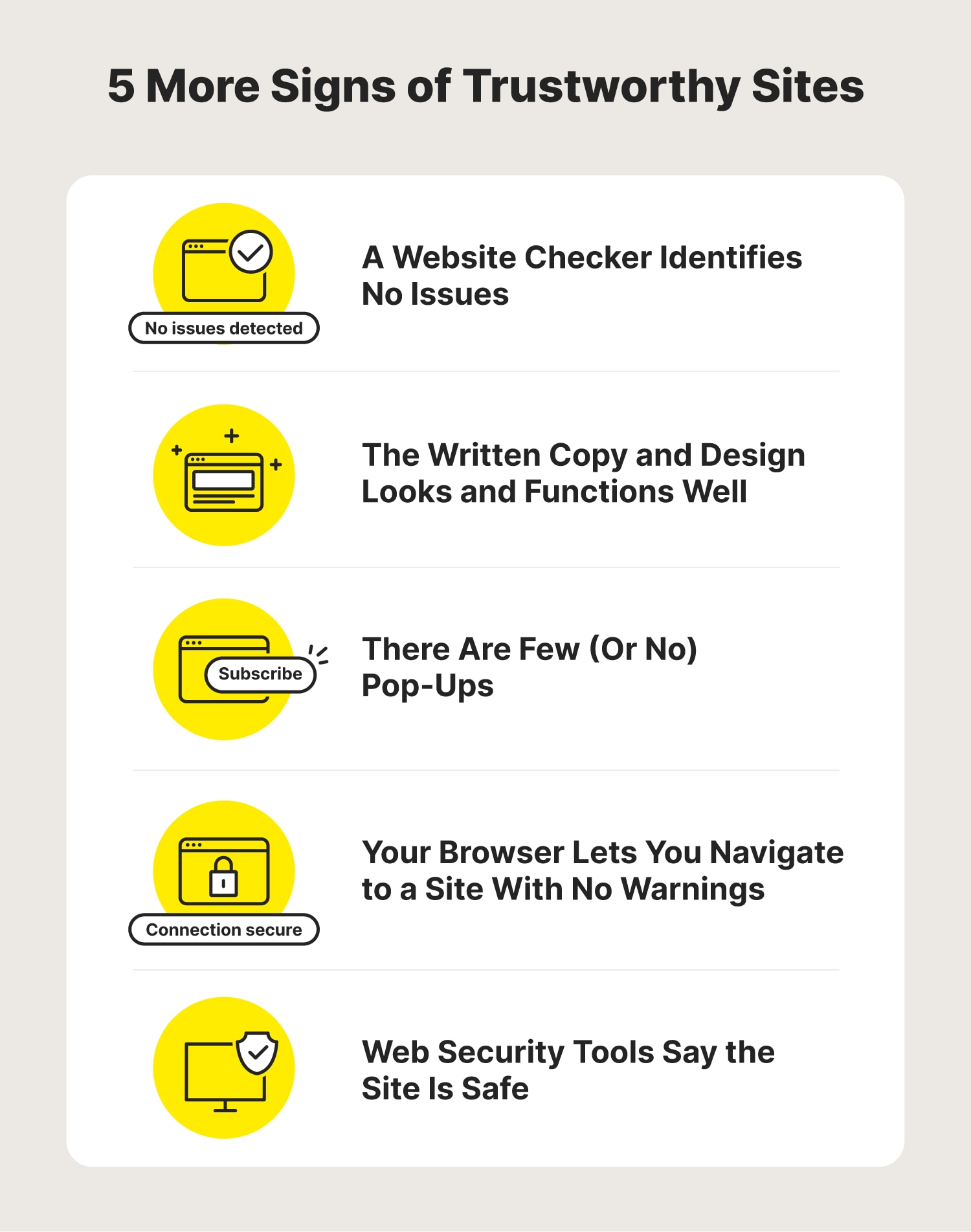
Look for customer reviews and ratings. Honest feedback from other shoppers can give you insights into the retailer’s reliability. Also, check for secure payment options and return policies. A reputable retailer will prioritize your safety and satisfaction.
Another tip is to stick with well-known brands and stores. They usually have a reputation to maintain, so they are less likely to risk it by offering subpar products or service.
Have you ever had a great (or terrible) experience with a particular retailer? Use that experience to inform your future shopping choices. Trust your instincts, but also do a bit of research.
Choosing the right platform and reputable retailers can make your shopping experience smooth and enjoyable. So next time you shop, think about what matters most to you and make an informed choice.
Setting A Budget
Setting a budget before shopping can help you save money. It keeps your spending in check and avoids financial stress. Making a budget helps you know how much you can spend. This planning ensures you make wise choices while shopping.
Avoiding Impulse Buys
Impulse buys can wreck your budget. These are unplanned purchases. They usually happen when you see something attractive or on sale. To avoid them, make a shopping list. Stick to this list while shopping. This list helps you stay focused. Avoiding impulse buys saves money and keeps you within your budget.
Tracking Expenses
Tracking expenses is crucial for sticking to your budget. Write down every purchase. Note the amount spent and the item bought. This practice helps you see where your money goes. It also helps you find areas where you can cut costs. Use apps or a notebook to track your spending. Consistent tracking ensures you stay on budget.
Making A Shopping List
Creating a shopping list can save time and money. It helps you stay organized and ensures you don’t forget essential items. Here’s how to make a shopping list that works for you.
Prioritizing Needs
Identify what you need first. Focus on essentials like food and household items. Think about what you use daily. Write those down at the top of your list. This way, you won’t miss anything important.
Categorizing Items
Sort your list by categories. Group similar items together. For example, list all vegetables in one section. Put cleaning supplies in another. This makes shopping faster and more efficient.
Credit: www.wired.com
Timing Your Shopping
Shopping can be fun and rewarding, but timing your purchases can make a big difference. Knowing when to shop can help you save money and get the best deals. Let’s dive into the best ways to time your shopping for maximum benefits.
Sales And Discounts
Stores often have sales and discounts at specific times. Black Friday and Cyber Monday are great examples. These events offer huge discounts on many items. Watch for holiday sales too. Christmas, New Year, and Independence Day often bring big savings.
Clearance sales are another opportunity. Stores need to make room for new stock. They mark down prices to clear out old inventory. This usually happens at the end of a season. For example, winter clothes are cheaper at the end of winter.
Best Times To Shop
Early mornings are often less crowded. You can shop in peace and find better deals. Weekdays are also good. Stores are less busy, and you might get better service.
Some stores offer weekly specials. These deals are often available on certain days. Check your favorite stores’ ads to know the best days to shop.
Shopping at the end of the month can be smart. Many stores need to meet sales targets. They might offer extra discounts to boost sales.
Online shopping has its own timing tricks. Many websites offer flash sales. These are short-term discounts that pop up unexpectedly. Subscribe to newsletters to stay informed. You might get early access to these deals.
Utilizing Technology
In the age of smart devices and instant connectivity, shopping has transformed into a more dynamic experience. Utilizing technology can make your shopping more efficient, cost-effective, and even fun. Let’s dive into how you can leverage technology to enhance your shopping experience.
Shopping Apps
Shopping apps have become indispensable tools for modern consumers. They allow you to browse, compare, and purchase products with just a few taps on your smartphone. Apps like Amazon, eBay, and Walmart offer a wide variety of products, often with exclusive app-only discounts.
Moreover, these apps often come with handy features. Think of personalized recommendations based on your browsing history or instant notifications about sales and restocks. You no longer have to remember coupon codes; the app does it for you.
Have you ever tried finding a physical store that has a specific product in stock? Some apps, like Target and Best Buy, show you inventory levels at nearby locations. This can save you multiple trips and a lot of frustration.
Price Comparison Tools
Price comparison tools are a game-changer for bargain hunters. These tools allow you to compare prices across multiple retailers in real time. Websites like PriceGrabber, Google Shopping, and Shopzilla are excellent for this purpose.
Imagine you’re eyeing a new pair of headphones. Instead of manually checking each retailer, a price comparison tool aggregates all the prices in one place. You can instantly see where you can get the best deal.
These tools also come with additional features. Some offer price history charts, so you can see if the current price is a genuine discount or if it might drop further. Others allow you to set price alerts, notifying you when a product hits your desired price point.
Do you find yourself often second-guessing your purchases? Using these tools can give you peace of mind that you’re getting the best value for your money. It’s like having a shopping assistant that works tirelessly to find the best deals for you.
How do you use technology in your shopping routine? Are there specific apps or tools you swear by? Share your tips and tricks in the comments below!

Credit: www.aboutamazon.com
Payment Options
When you shop online, choosing the right payment option is crucial. It can affect your shopping experience and security. Let’s dive into some popular payment options to help you make informed choices.
Credit Vs. Debit
Credit cards and debit cards are the most common payment methods. They both offer convenience, but there are differences. Credit cards let you borrow money from the bank, while debit cards use funds directly from your account.
Credit cards often come with rewards programs. You can earn points or cash back on your purchases. This can be a great perk if you pay off your balance monthly to avoid interest charges.
Debit cards, on the other hand, help you avoid debt. You spend only what you have. This can be a safer option if you’re budgeting or trying to control your spending.
Secure Payment Methods
Security is a top concern when shopping online. Use payment methods that offer protection against fraud. Credit cards usually provide better fraud protection compared to debit cards.
Consider using digital wallets like PayPal, Apple Pay, or Google Pay. They add an extra layer of security by not sharing your card details with the merchant. Plus, they are quick and easy to use.
Another secure option is using virtual credit cards. These are temporary card numbers that link to your actual credit card. They are ideal for one-time purchases and subscriptions, keeping your real card details safe.
What’s your preferred payment method? Think about your priorities—whether it’s rewards, security, or budgeting. The right choice can enhance your shopping experience and peace of mind.
Reading Reviews
Reading reviews before shopping helps make better decisions. Honest feedback from others can guide your choices. Stay informed and shop wisely.
Reading Reviews When you’re about to make a purchase, reading reviews can save you time and money. Customer feedback and expert opinions provide valuable insights into the product’s quality and performance. Let’s delve into these two aspects to help you make an informed decision. ###Customer Feedback
Customer feedback gives you real-life experiences from people just like you. These reviews can highlight the pros and cons of a product. They often address concerns you might not have considered. For instance, a user might mention how a pair of shoes fits after a month of wear. This information can be more valuable than the product description. You get a sense of how the product performs in everyday use. Reading a variety of reviews can also reveal patterns. If multiple people mention the same issue, it’s likely a genuine problem. This can save you from making a regrettable purchase. ###Expert Opinions
Expert opinions are another crucial resource. These reviews are usually more detailed and technical. Experts often test products under various conditions. Consider tech gadgets, for example. An expert might evaluate a smartphone’s battery life, camera quality, and software performance. Their insights can help you understand the product’s capabilities better. However, experts might focus on technical aspects that are less relevant to you. Balance their opinions with customer feedback for a well-rounded view. This approach ensures you get both detailed analysis and practical experiences. Have you ever bought something based on a review and regretted it? Share your story in the comments. Your experience could help others make better choices.Returns And Exchanges
Returns and exchanges can be a crucial part of the shopping experience. Knowing you can return or exchange an item gives peace of mind. This section will guide you through understanding policies and the easy returns process.
Understanding Policies
Each store has its own return policies. It’s important to read them before making a purchase. Some stores offer a 30-day return window. Others might give 60 days or even more. Check if the item you bought is eligible for return. Sometimes, sale items or clearance items are final sales. No returns allowed on those.
Look for information on condition requirements. Items usually need to be in original condition. This includes tags, packaging, and accessories. Having all parts intact makes the return smoother. Always keep your receipt or order confirmation. Proof of purchase is necessary for returns.
Easy Returns Process
Returning an item should be straightforward. Many stores offer online returns. Visit the store’s website and find the return section. Print a return label, if available. Pack the item securely. Attach the label and drop it off at the nearest shipping location.
Some stores allow in-store returns even for online purchases. This can save you time and shipping costs. Bring your item and receipt to the store. The staff will assist you with the return or exchange. Always ask for a return confirmation or receipt.
Following these steps ensures a hassle-free return experience. Happy shopping!

Credit: sierravistahospital.com
Frequently Asked Questions
What Is The Main Street Of Austin For Shopping?
The main street for shopping in Austin is South Congress Avenue. It offers unique boutiques, trendy shops, and local artisans.
What Is The #1 Online Shopping Site?
Amazon is the top online shopping site. It offers a vast selection, competitive prices, and fast delivery.
What Do You Mean By Shopping?
Shopping means buying goods or services from stores or online platforms for personal or household use.
What Is The Cheapest Online Shopping Site?
Amazon, eBay, and AliExpress are popular online shopping sites known for their competitive prices and wide product range.
Conclusion
Shopping brings joy and convenience to our lives. It helps us find what we need. Every purchase can be a satisfying experience. Whether online or in stores, there are always great options. Remember to plan your shopping trips wisely. This saves time and money.
Enjoy the process and make smart choices. Happy shopping!













:max_bytes(150000):strip_icc()/market-orientation.asp-final-dff1c3d263a242a7996bd5ccc788f864.png)
:max_bytes(150000):strip_icc()/competitive-pricing.asp-final2-9fe2685efe264d6ba22ad94422ef653c.png)