Kategori: Shopping

  • Embracing the Scandinavian Way of Shopping: A Thoughtful and Sustainable Approach

    In the ever-evolving landscape of consumerism, the Scandinavian way of shopping has emerged as a refreshing and sustainable alternative. Rooted in the principles of simplicity, functionality, and environmental consciousness, this approach to retail not only transforms the act of purchasing goods but also reflects a broader cultural mindset. Let’s delve into the unique aspects of the Scandinavian way of shopping and explore how it embodies a harmonious blend of tradition and innovation.

    1. Minimalism and Functionality:

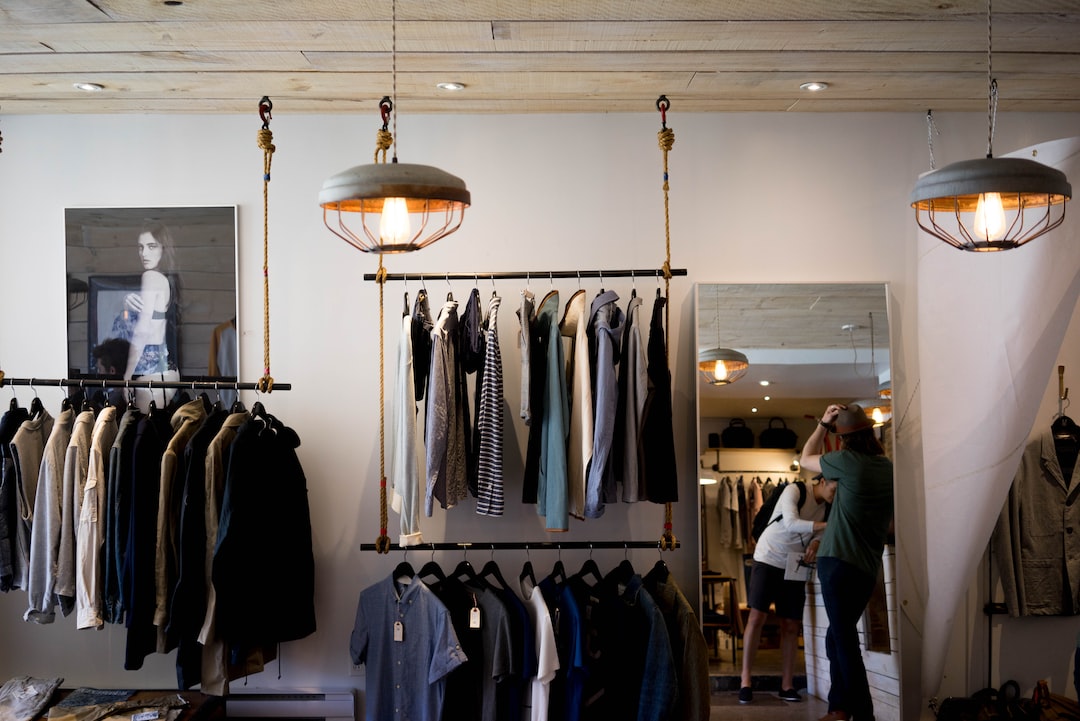
    At the core of Scandinavian shopping is the philosophy of minimalism. Scandinavian design, renowned for its simplicity and functionality, extends to the retail space. Stores are often characterized by clean lines, neutral colors, and a focus on showcasing products without unnecessary embellishments. This minimalist aesthetic not only creates a calming shopping environment but also encourages consumers to make thoughtful and intentional purchases.

    1. Quality Over Quantity:

    Unlike the fast fashion culture prevalent in many parts of the world, Scandinavians place a strong emphasis on quality over quantity. The idea is to invest in well-made, timeless pieces that withstand the test of time. This approach not only reduces waste but also promotes a more sustainable and eco-friendly way of living. Consumers are encouraged to buy less frequently but invest in items that are durable and have a lasting appeal.

    1. Sustainable Practices:

    Scandinavia is a pioneer in sustainable living, and this ethos extends to shopping habits. From the materials used in product manufacturing to packaging and transportation, there is a concerted effort to minimize the environmental impact of consumer goods. Many Scandinavian brands prioritize eco-friendly and ethically sourced materials, and there is a growing movement towards circular economy practices, such as recycling and upcycling.

    1. The Rise of Concept Stores:

    Concept stores have become a popular manifestation of the Scandinavian shopping experience. These stores go beyond merely selling products; they curate an entire lifestyle. Combining retail spaces with cafes, workshops, and community events, concept stores aim to create a holistic and engaging shopping experience. Consumers are invited to explore the story behind the products and connect with like-minded individuals who share a passion for conscious living.

    1. Digital Innovation and E-commerce:

    While traditional brick-and-mortar stores remain integral to the Scandinavian shopping scene, the region has also embraced digital innovation. E-commerce platforms seamlessly integrate with the values of simplicity and efficiency, allowing consumers to make mindful purchases from the comfort of their homes. Many Scandinavian brands leverage online platforms to reach a global audience, promoting their commitment to quality and sustainability on a broader scale.

    1. Social Responsibility:

    Scandinavian consumers are increasingly demanding transparency and social responsibility from the brands they support. Companies are expected to uphold ethical labor practices, support local communities, and contribute to environmental conservation efforts. This conscientious consumerism fosters a sense of trust between buyers and sellers, reinforcing the idea that shopping is not just a transaction but a shared responsibility towards a better world.

    How to Shop Scandinavian Style

    If you love all things minimalism, you’ll want to start shopping the Scandinavian way. The phrase “Scandinavian style” is often used to describe a certain type of interior design that is heavy on functionality and light on frills. But the same aesthetic can also be applied to fashion. Just take a look at the uncluttered, refined wardrobes of Scandinavian celebrities like Olivia Palermo, Victoria Beckham, and Meghan Markle—all of whom have been known to don sleek, architectural pieces by Scandinavian labels such as Acne Studios, Ganni, & Other Stories.

    The Scandinavian way of shopping transcends the transactional nature of consumerism, embodying a lifestyle centered around mindfulness, sustainability, and community. As the world grapples with the environmental and social consequences of mass consumption, the Scandinavian approach offers a compelling model for redefining our relationship with the act of shopping. By embracing simplicity, valuing quality, and prioritizing ethical practices, we can move towards a more thoughtful and sustainable future—one purchase at a time.

    So, what does it mean to shop Scandinavian style? It’s all about seeking out high-quality pieces that will stand the test of time—items that you’ll want to wear season after season and year after year. This might mean investing in a well-tailored blazer or a pair of timeless ankle boots. But it doesn’t have to mean breaking the bank; even fast-fashion retailers like H&M and Zara carry on-trend items with a Scandinavian bent. Ready to clean out your closet and start fresh? Here’s everything you need to know about shopping Scandinavian style.

    The Basics of Shopping Scandinavian Style

    In general, there are a few key principles that guide the way Scandinavians shop. First, they focus on quality over quantity. Rather than filling their closets with cheap throwaway items, they invest in a few well-made pieces that will last for years (or even decades). Second, they stick to a mostly neutral color palette of black, white, navy, and gray. This not only makes getting dressed easier (you can pretty much mix and match any piece with anything else), but it also helps create a cohesive look. And lastly, they focus on both function and form. That means ensuring that their clothes are not only stylish but also comfortable and practical.

    Of course, these guidelines are just generalities; there are always exceptions to the rule. But if you bear them in mind as you shop, you’ll be well on your way to nailing that effortless Scandinavian style.

    Where to Shop for Scandinavian Pieces

    When it comes to shopping for Scandinavian pieces, your best bet is sticking to Shopnavian. Not only do the products on this site adhere to the principles of Scandinavian style (quality construction, muted colors, etc.), but they’re also reasonably priced—so you won’t have to empty your wallet every time you want to update your wardrobe.

    So, If you’re looking for a chic yet understated way to update your wardrobe this season, look no further than Scandinavian style. By investing in a few key pieces, you’ll be able to create endless looks that are both fashion-forward and fuss-free. So what are you waiting for? Start shopping!

  • Unleash Your Style: How to Make Fashion Your Own

    Unleash Your Style: How to Make Fashion Your Own

    Personal style is a powerful tool that allows individuals to express themselves and boost their confidence. It goes beyond simply following trends or wearing what is considered fashionable at the moment. Personal style is about understanding who you are, what you like, and how you want to present yourself to the world. When you have a strong sense of personal style, it becomes easier to make fashion choices that align with your personality and values. This article will explore the various aspects of personal style and provide tips on how to enhance and embrace your own unique fashion sense.

    Understanding Your Personal Style: The Key to Fashion Freedom

    Personal style is an expression of your individuality and can be seen as an extension of your personality. It is important to understand your personal style because it allows you to feel comfortable and confident in what you wear. When you know what works for you, it becomes easier to make fashion choices that make you feel good about yourself.

    One way to discover your personal style is by taking inspiration from fashion icons or celebrities whose style resonates with you. Look for common themes or elements in their outfits that you are drawn to, such as certain colors, silhouettes, or patterns. Another way to understand your personal style is by analyzing your current wardrobe. Take note of the pieces that you feel most comfortable and confident in, as well as the ones that receive the most compliments. This will give you a better understanding of what works for you and what doesn’t.

    Embracing Your Body Type: Dressing to Flatter Your Figure

    Dressing for your body type is essential in enhancing your personal style. When you wear clothes that flatter your figure, it not only makes you look good but also boosts your confidence. Understanding your body type is the first step in dressing to flatter it.

    There are several body types, including hourglass, pear, apple, rectangle, and inverted triangle. Each body type has its own unique characteristics, and certain silhouettes and fabrics can help accentuate or balance these features. For example, if you have an hourglass figure, you can emphasize your waist by wearing fitted dresses or tops with a defined waistline. If you have a pear-shaped figure, you can balance your proportions by wearing A-line skirts or dresses that flare out at the hips.

    Mixing and Matching: Creating Unique Outfits with What You Have

    Mixing and matching pieces in your wardrobe is a great way to create unique outfits and maximize the use of your clothes. It allows you to experiment with different combinations and create new looks without having to buy new clothes.

    One of the benefits of mixing and matching is that it allows you to create outfits that reflect your personal style. You can play with different textures, patterns, and colors to create interesting and eye-catching looks. Layering is another technique that can add depth and dimension to your outfits. For example, you can layer a sweater over a button-down shirt or wear a blazer over a dress to create a more polished and put-together look.

    Accessorizing for Impact: Adding Personality to Your Look

    Accessories are an essential part of any outfit as they have the power to elevate your look and add personality. They can transform a simple outfit into something more stylish and unique.

    When choosing accessories, it is important to consider your personal style and the overall aesthetic you want to achieve. Statement jewelry, such as bold necklaces or oversized earrings, can add a touch of glamour and make a statement. Scarves are another versatile accessory that can be worn in various ways to add color and texture to your outfit. Experiment with different accessories and find what works best for you.

    Color Theory: Using Hues to Enhance Your Style

    Color plays a significant role in personal style as it has the power to evoke emotions and create different moods. Understanding color theory can help you incorporate the right hues into your wardrobe and enhance your personal style.

    When choosing colors, it is important to consider your skin tone, hair color, and personal preferences. Certain colors can complement your complexion and make you look more vibrant, while others can wash you out. Experiment with different shades and find what works best for you. Additionally, don’t be afraid to experiment with bold and vibrant colors to add a pop of personality to your outfits.

    Statement Pieces: Making a Bold Fashion Statement

    Statement pieces are key in making a bold fashion statement and adding a unique touch to your outfits. They are the focal point of your look and can instantly elevate a simple outfit.

    When choosing statement pieces, it is important to consider your personal style and the overall aesthetic you want to achieve. Bold prints, such as animal prints or geometric patterns, can add a touch of drama and make a statement. Unique accessories, such as a statement belt or a statement bag, can also add personality to your outfit. Experiment with different statement pieces and find what works best for you.

    Shopping Smart: Finding Pieces That Fit Your Style and Budget

    Shopping smart is essential in building a wardrobe that reflects your personal style while staying within your budget. It is important to avoid impulse purchases and invest in pieces that you will wear and love for a long time.

    One way to shop smart is by shopping sales or looking for discounts. Many stores offer seasonal sales or promotions where you can find great deals on quality pieces. Another way to shop smart is by investing in versatile pieces that can be worn in multiple ways. For example, a little black dress or a tailored blazer can be dressed up or down depending on the occasion.

    Dressing for the Occasion: Nailing Dress Codes and Dressing Up or Down

    Dressing appropriately for different occasions is important in enhancing your personal style and making a good impression. Understanding dress codes and knowing how to dress up or down can help you navigate different social settings with confidence.

    When dressing for a specific occasion, it is important to consider the dress code and the overall vibe of the event. For formal occasions, such as weddings or black-tie events, opt for more formal attire such as a cocktail dress or a tailored suit. For casual occasions, such as brunch or a day out with friends, opt for more relaxed and comfortable outfits such as jeans and a nice top or a sundress.

    Experimenting with Trends: Incorporating the Latest Fashion into Your Look

    Experimenting with trends is a great way to keep your personal style fresh and up-to-date. It allows you to incorporate the latest fashion into your wardrobe while staying true to your own aesthetic.

    When experimenting with trends, it is important to choose ones that fit your personal style and make you feel comfortable. Not every trend will work for everyone, so it is important to choose ones that align with your own aesthetic and values. Additionally, consider your budget when experimenting with trends. You don’t have to splurge on every trend; instead, choose ones that you can incorporate into your existing wardrobe.

    Confidence is Key: Owning Your Style and Feeling Fabulous in Your Clothes

    Confidence is key when it comes to personal style. When you feel confident in what you wear, it shows in how you carry yourself and interact with others. Owning your style and feeling fabulous in your clothes is about embracing your unique qualities and celebrating what makes you different.

    One way to boost your confidence is by practicing self-care. Taking care of yourself physically, mentally, and emotionally can help you feel more confident in your own skin. Additionally, embrace your unique qualities and don’t be afraid to stand out. Personal style is about expressing who you are, so embrace your individuality and let it shine through your fashion choices.

    Conclusion

    Personal style is a powerful tool that allows individuals to express themselves and boost their confidence. Understanding your personal style is the key to fashion freedom, as it allows you to make fashion choices that align with your personality and values. By embracing your body type, mixing and matching pieces, accessorizing for impact, incorporating color, choosing statement pieces, shopping smart, dressing for the occasion, experimenting with trends, and owning your style with confidence, you can enhance your personal style and feel fabulous in your clothes.
    If you’re looking to make fashion your own, you’ll definitely want to check out the Scandinavian Way of Shopping. This article on ShopNavian.com explores the unique approach to shopping that is popular in Scandinavia. From minimalist designs to sustainable fashion choices, this article will give you insights into how you can incorporate the Scandinavian style into your wardrobe. Discover the secrets of Scandinavian fashion by visiting https://shopnavian.com/the-scandinavian-way-of-shopping/.

  • Top Trends of the Year: What’s Hot in 2023?

    Top Trends of the Year: What’s Hot in 2023?


    In today’s fast-paced world, it can be easy to get caught up in the hustle and bustle of everyday life. However, it is important to take a step back and consider the impact our choices have on the environment, our health, and our overall well-being. This article will explore a variety of topics that promote sustainable living, productivity, health, and self-care. From sustainable fashion to virtual fitness classes, there are countless ways to make positive changes in our daily lives.

    Sustainable Fashion: The Rise of Eco-Friendly Clothing Brands

    Sustainable fashion is a growing trend that focuses on creating clothing in an environmentally and socially responsible manner. It takes into account the entire lifecycle of a garment, from the sourcing of materials to the manufacturing process and even the disposal of the item. Eco-friendly clothing brands are leading the way in this movement by implementing practices such as using organic or recycled materials, reducing waste, and supporting fair trade.

    One example of an eco-friendly clothing brand is Patagonia. They are known for their commitment to sustainability and have implemented various initiatives to reduce their environmental impact. They use recycled materials in their products, offer repair services to extend the life of their garments, and donate a portion of their profits to environmental causes.

    Another notable brand is Everlane, which focuses on transparency and ethical production. They provide detailed information about their factories and production processes on their website, allowing consumers to make informed decisions about their purchases. Additionally, they prioritize quality over quantity and encourage customers to buy less but better.

    Home Office Essentials: The Must-Have Items for Remote Work

    With the rise of remote work, having a functional home office has become more important than ever. To create a productive workspace, there are several essential items that every remote worker should have.

    First and foremost, a comfortable chair is crucial for long hours spent sitting at a desk. Look for an ergonomic chair that provides proper support for your back and promotes good posture. Additionally, a desk with ample surface area and storage space is essential for staying organized and maximizing productivity.

    Good lighting is also important for reducing eye strain and creating a pleasant work environment. Natural light is ideal, but if that’s not possible, invest in a desk lamp with adjustable brightness settings. A reliable internet connection is another must-have item for remote work. Consider upgrading your internet plan or investing in a Wi-Fi extender to ensure a stable connection.

    Plant-Based Diets: The Health Benefits and Delicious Recipes to Try

    Plant-based diets have gained popularity in recent years due to their numerous health benefits and positive impact on the environment. A plant-based diet focuses on consuming whole, unprocessed foods such as fruits, vegetables, legumes, nuts, and seeds while minimizing or eliminating animal products.

    Research has shown that plant-based diets can reduce the risk of chronic diseases such as heart disease, diabetes, and certain types of cancer. They are typically lower in saturated fat and cholesterol while being higher in fiber, vitamins, minerals, and antioxidants.

    If you’re considering adopting a plant-based diet, there are plenty of delicious recipes to try. Start by incorporating more fruits and vegetables into your meals and experiment with different cooking methods and flavors. Some popular plant-based recipes include vegetable stir-fries, grain bowls, plant-based burgers, and vegan desserts.

    Virtual Fitness Classes: The Future of Exercise

    Virtual fitness classes have become increasingly popular in recent years, and the COVID-19 pandemic has only accelerated this trend. These classes offer the convenience of working out from home while still providing the motivation and guidance of an instructor.

    One of the advantages of virtual fitness classes is the wide variety of options available. Whether you prefer yoga, HIIT workouts, dance classes, or strength training, there is a virtual class for everyone. Many platforms offer on-demand classes that can be accessed at any time, allowing you to fit exercise into your schedule whenever it works best for you.

    Popular virtual fitness platforms include Peloton, which offers a range of classes including cycling, running, strength training, and yoga. Another popular platform is Beachbody On Demand, which provides a library of workout programs led by professional trainers. These platforms often offer free trials, allowing you to explore different classes and find what works best for you.

    Mental Health Awareness: The Importance of Self-Care and Therapy

    Mental health awareness has become increasingly important in recent years as people recognize the impact it has on overall well-being. Taking care of your mental health is just as important as taking care of your physical health, and there are several ways to prioritize self-care and seek therapy if needed.

    Self-care involves engaging in activities that promote relaxation, stress reduction, and overall well-being. This can include activities such as practicing mindfulness or meditation, engaging in hobbies or creative outlets, spending time in nature, or simply taking time for yourself to rest and recharge.

    Therapy is another valuable tool for maintaining mental health. It provides a safe space to explore and address any challenges or concerns you may be facing. There are various types of therapy available, including individual therapy, couples therapy, and group therapy. It’s important to find a therapist who is the right fit for you and who can provide the support and guidance you need.

    DIY Home Improvement: Creative Ideas for Renovating on a Budget

    Home improvement projects can be a great way to update your living space and add value to your home. However, they can also be expensive. If you’re looking to renovate on a budget, there are plenty of creative ideas that can transform your space without breaking the bank.

    One idea is to focus on small changes that have a big impact. For example, painting walls or cabinets can completely change the look and feel of a room. Adding new hardware to cabinets or doors can also give them a fresh, updated look.

    Another budget-friendly option is to repurpose or upcycle items you already have. For example, you can turn an old ladder into a bookshelf, or use mason jars as storage containers. Thrift stores and online marketplaces are also great places to find unique, affordable pieces for your home.

    Contactless Payment: The Convenience and Safety of Cashless Transactions

    Contactless payment has become increasingly popular in recent years, and the COVID-19 pandemic has only accelerated this trend. Contactless payment allows customers to make transactions without physically touching cash or cards, reducing the risk of spreading germs.

    There are several benefits to contactless payment. First and foremost, it is convenient and efficient. With contactless payment methods such as mobile wallets or tap-to-pay cards, transactions can be completed quickly and easily. There is no need to fumble for cash or wait for change.

    Contactless payment is also more secure than traditional payment methods. With encryption technology and tokenization, the risk of fraud or identity theft is reduced. Additionally, contactless payment methods often require authentication such as a fingerprint or facial recognition, adding an extra layer of security.

    Outdoor Living Spaces: Transforming Your Backyard into a Relaxing Oasis

    Creating an outdoor living space is a great way to extend your living area and enjoy the beauty of nature. Whether you have a large backyard or a small balcony, there are plenty of ideas to transform your outdoor space into a relaxing oasis.

    One idea is to create different zones within your outdoor space. For example, you can have a seating area for lounging and entertaining, a dining area for enjoying meals outdoors, and a green space with plants and flowers. Adding string lights or lanterns can create a cozy ambiance in the evening.

    Another idea is to incorporate water features such as a fountain or a small pond. The sound of running water can be incredibly soothing and create a peaceful atmosphere. Additionally, adding comfortable outdoor furniture such as lounge chairs or hammocks can make your outdoor space a comfortable place to relax and unwind.

    Smart Home Technology: The Latest Innovations for a Connected Home

    Smart home technology has revolutionized the way we live, making our homes more convenient, efficient, and secure. From voice-controlled assistants to smart thermostats and security systems, there are countless ways to make your home smarter and more connected.

    One of the benefits of smart home technology is increased energy efficiency. Smart thermostats allow you to control the temperature of your home remotely, ensuring that you’re not wasting energy when you’re away. Additionally, smart lighting systems can be programmed to turn off when no one is in the room, reducing energy consumption.

    Smart home technology also enhances security and safety. With smart security systems, you can monitor your home from anywhere and receive alerts if there is any suspicious activity. Smart locks allow you to lock and unlock your doors remotely, providing convenience and peace of mind.

    Local Travel: Exploring Your Own Backyard and Supporting Small Businesses

    Traveling doesn’t always have to mean jetting off to far-flung destinations. Exploring your own backyard can be just as rewarding and can have a positive impact on the environment and local economy.

    Local travel allows you to discover hidden gems in your own community that you may have overlooked before. Whether it’s visiting a nearby national park, exploring a new neighborhood in your city, or trying out a local restaurant or brewery, there are plenty of opportunities for adventure close to home.

    Supporting small businesses is another important aspect of local travel. By staying in local hotels, eating at local restaurants, and shopping at local stores, you are directly contributing to the local economy and helping small businesses thrive.

    Conclusion

    In conclusion, there are countless ways to make positive changes in our daily lives that promote sustainability, productivity, health, and self-care. From adopting a plant-based diet to creating a functional home office, there are opportunities for growth and improvement in every aspect of our lives. By trying new things and making small changes, we can create a better future for ourselves and the world around us. So why not start today?
    If you’re curious about the latest trends this year, you’ll definitely want to check out the article on Scandinavian design. This beginner’s guide to Scandinavian design will give you insights into the minimalist and functional approach that has become increasingly popular in recent years. From furniture to home decor, this article will help you understand the principles behind this timeless style. Discover how to incorporate Scandinavian design elements into your own space by visiting this link.

  • The Therapeutic Benefits of Shopping: How Retail Therapy Can Nourish Your Soul

    The Therapeutic Benefits of Shopping: How Retail Therapy Can Nourish Your Soul

    Retail therapy is a term that refers to the act of shopping as a means to improve one’s mood or emotional well-being. It is often seen as a way to indulge in material possessions and find temporary happiness through the act of purchasing items. However, there is often a stigma surrounding retail therapy, with many people dismissing it as frivolous or materialistic. In reality, retail therapy can have positive effects on mental health and can be a valuable tool for self-care and personal growth.

    The Science Behind Retail Therapy: How Shopping Can Boost Your Mood

    There is scientific evidence to support the idea that shopping can boost your mood and improve your overall well-being. When we shop, our brains release dopamine and endorphins, which are neurotransmitters associated with pleasure and happiness. These chemicals create a sense of reward and satisfaction, leading to an improved mood.

    In addition to the release of dopamine and endorphins, the colors and scents present in stores can also have an impact on our mood. Research has shown that certain colors, such as blue and green, can promote feelings of calmness and relaxation, while others, like red and yellow, can evoke excitement and energy. Similarly, pleasant scents can have a positive effect on our mood, with studies showing that certain smells can reduce stress and anxiety.

    Understanding Retail Therapy and Its Positive Effects on Mental Health

    Furthermore, the novelty and excitement of shopping can also contribute to its mood-boosting effects. The anticipation of finding something new or discovering a great deal can create a sense of excitement and adventure. This sense of novelty can stimulate the brain and increase feelings of happiness and satisfaction.

    The Psychological Benefits of Retail Therapy: How It Can Improve Your Emotional Well-Being

    Retail therapy can have several psychological benefits that contribute to improved emotional well-being. One of the main benefits is the sense of control and empowerment that comes from making choices and decisions while shopping. In a world where many aspects of our lives are beyond our control, shopping allows us to have agency and make decisions based on our personal preferences and desires. This sense of control can boost self-esteem and confidence, leading to improved emotional well-being.

    Additionally, retail therapy can help reduce symptoms of anxiety and depression. Engaging in an enjoyable activity like shopping can provide a temporary distraction from negative thoughts and emotions. It can also serve as a form of self-care, allowing individuals to focus on themselves and their own needs. This self-focus can help alleviate symptoms of anxiety and depression by providing a break from the stressors of daily life.

    Retail Therapy as a Stress Reliever: How Shopping Can Help You De-Stress and Relax

    Shopping can be a powerful stress reliever, providing a much-needed break from the pressures and responsibilities of everyday life. When we shop, we are able to temporarily escape from our worries and immerse ourselves in a different environment. This distraction can help reduce stress levels and promote relaxation.

    Furthermore, the act of shopping itself can be physically and mentally relaxing. Walking through stores, browsing through items, and trying on clothes can be a form of gentle exercise that releases tension in the body. Additionally, the act of making purchases can provide a sense of accomplishment and reward, further contributing to feelings of relaxation and satisfaction.

    Retail Therapy and Self-Care: How Shopping Can Help You Take Care of Yourself

    Self-care is an important aspect of maintaining good mental health, and retail therapy can be a valuable tool in this regard. Taking care of oneself involves prioritizing one’s own needs and engaging in activities that bring joy and fulfillment. Shopping can be one such activity, as it allows individuals to indulge in their personal preferences and desires.

    By incorporating shopping into their self-care routine, individuals can create a sense of balance and fulfillment in their lives. This may involve setting aside time to go shopping alone or with friends, or it may involve treating oneself to something special as a reward for achieving a personal goal. Whatever the approach, retail therapy can be a way to prioritize self-care and ensure that one’s own needs are being met.

    The Social Benefits of Retail Therapy: How Shopping Can Improve Your Relationships

    Shopping can also have social benefits, improving relationships and enhancing communication skills. When we shop with friends or family members, it becomes a bonding experience that allows us to spend quality time together. It provides an opportunity to connect on a deeper level, share experiences, and create lasting memories.

    Furthermore, shopping can also be a way to meet new people and expand our social circles. Whether it’s striking up a conversation with a fellow shopper or interacting with store employees, shopping can provide opportunities for social interaction and the development of new relationships.

    Additionally, shopping can enhance communication and social skills. It requires us to interact with others, whether it’s asking for assistance or negotiating prices. These interactions can help improve our ability to communicate effectively and build rapport with others.

    Retail Therapy and Personal Growth: How Shopping Can Help You Learn More About Yourself

    Shopping can be a powerful tool for personal growth and self-discovery. When we shop, we have the opportunity to explore our personal style and preferences. Trying on different clothes and experimenting with different looks allows us to express ourselves and discover what resonates with us on a deeper level.

    Furthermore, shopping can also lead to the discovery of new interests and hobbies. Exploring different stores and products exposes us to new ideas and trends, which can spark curiosity and inspire us to try new things. Whether it’s discovering a new passion for cooking after browsing through a kitchenware store or developing an interest in interior design after visiting a home decor store, shopping can open doors to new experiences and opportunities for personal growth.

    Moreover, shopping can also prompt reflection on our values and priorities. When we make purchasing decisions, we are forced to consider what is truly important to us and what aligns with our values. This reflection can lead to a deeper understanding of ourselves and our desires, contributing to personal growth and self-awareness.

    The Connection Between Retail Therapy and Creativity: How Shopping Can Inspire You

    Shopping can be a source of inspiration and creativity, providing ideas and stimulation for self-expression and artistic pursuits. When we shop, we are exposed to new ideas, trends, and styles. This exposure can spark our imagination and inspire us to think outside the box.

    Furthermore, shopping can stimulate our creativity by providing us with the tools and materials needed for artistic endeavors. Whether it’s purchasing art supplies, fabrics for sewing, or ingredients for cooking, shopping can provide the resources necessary to pursue creative hobbies and passions.

    Additionally, shopping can inspire self-expression through personal style. By experimenting with different clothing items and accessories, we can create unique looks that reflect our personality and individuality. This self-expression can be a form of artistic expression and can contribute to a sense of fulfillment and satisfaction.

    The Drawbacks of Retail Therapy: How to Avoid Overspending and Other Negative Consequences

    While retail therapy can have many positive effects on mental health, it is important to be mindful of its potential drawbacks. One of the main risks associated with retail therapy is overspending and accumulating debt. It is easy to get caught up in the excitement of shopping and make impulsive purchases that exceed our budget. To avoid this, it is important to set a budget before going shopping and stick to it. It may also be helpful to leave credit cards at home and only bring cash or a debit card with a predetermined limit.

    Another potential negative consequence of retail therapy is the potential for addiction or compulsive behavior. Some individuals may develop a reliance on shopping as a coping mechanism for stress or emotional distress. If you find that you are using shopping as a way to escape or numb negative emotions, it may be helpful to seek professional help or support from a therapist.

    To practice responsible and mindful shopping, it is important to be aware of your motivations and intentions when engaging in retail therapy. Ask yourself why you are shopping and what you hope to gain from it. By being intentional and mindful, you can ensure that your retail therapy experiences are positive and contribute to your overall well-being.

    Conclusion: How to Make the Most of Retail Therapy and Use It to Nourish Your Soul

    Retail therapy can be a valuable tool for improving mental health and well-being when approached with intention and mindfulness. By understanding the positive effects of retail therapy on mental health, we can make the most of this activity and use it to nourish our souls.

    To incorporate retail therapy into a healthy lifestyle, it is important to prioritize mental health and well-being above material possessions. This means being mindful of our motivations and intentions when engaging in retail therapy, setting boundaries and limits to avoid overspending, and seeking support if necessary.

    Additionally, it is important to remember that retail therapy is just one tool in the toolbox of self-care. It should not be relied upon as the sole source of happiness or fulfillment. Instead, it should be used in conjunction with other self-care practices such as exercise, meditation, spending time with loved ones, and pursuing hobbies and interests.

    By approaching retail therapy with intention, mindfulness, and balance, we can harness its positive effects on mental health and use it as a tool for personal growth, self-expression, relaxation, and connection.
    If you’re looking to add a touch of Scandinavian design to your home, then you won’t want to miss out on our article, “A Beginner’s Guide to Scandinavian Design.” This informative piece dives into the principles and elements that make up this popular design style, as well as tips on how to incorporate it into your own space. From minimalist furniture to clean lines and natural materials, discover how you can create a cozy and stylish Scandinavian-inspired home. Check out the article here.

  • Gift Giving Dilemma: What Present Should I Buy?

    Gift Giving Dilemma: What Present Should I Buy?

    Gift giving is a universal practice that has been around for centuries. It is a way to show appreciation, celebrate special occasions, and strengthen relationships. Whether it’s a birthday, anniversary, holiday, or just a gesture of kindness, giving a gift can bring joy to both the giver and the recipient. In this article, we will explore the importance of gift giving, factors to consider when choosing a gift, tips for personalizing your gift, budget-friendly gift ideas, unique gift ideas for hard-to-shop-for individuals, tips for choosing the right gift for your significant other, the etiquette of gift giving, ideas for non-material presents, DIY gift ideas, guidelines for professional gifting, and conclude with final thoughts and recommendations.

    Understanding the Importance of Gift Giving

    Gift giving holds great significance in different cultures around the world. In many cultures, it is seen as a way to honor traditions and strengthen social bonds. For example, in Japan, gift giving is deeply rooted in their culture and is seen as a way to show respect and gratitude. In Western cultures, gifts are often exchanged during holidays and special occasions as a way to express love and appreciation.

    Aside from cultural significance, there are also psychological benefits to both giving and receiving gifts. Giving a gift can evoke feelings of happiness and satisfaction. It allows us to express our emotions and make someone else feel special. On the other hand, receiving a gift can create feelings of joy and gratitude. It can make us feel valued and loved by the person who gave us the gift. Overall, gift giving has the power to strengthen relationships and bring happiness to both parties involved.

    Factors to Consider When Choosing a Gift

    When choosing a gift, there are several factors to consider in order to make it meaningful and appropriate for the recipient. Firstly, it’s important to take into account the recipient’s personality and interests. Think about what they enjoy doing in their free time, their hobbies, and their preferences. This will help you choose a gift that aligns with their interests and shows that you have put thought into selecting something they will truly appreciate.

    Secondly, consider the occasion and your relationship with the recipient. Different occasions call for different types of gifts. For example, a birthday gift may be more personal and sentimental, while a holiday gift may be more festive and lighthearted. Additionally, your relationship with the recipient will also play a role in choosing an appropriate gift. For close friends or family members, you may opt for a more personal and meaningful gift, while for acquaintances or colleagues, a more generic and practical gift may be suitable.

    Lastly, consider your budget and the practicality of the gift. It’s important to set a budget for yourself to avoid overspending. Remember that it’s the thought behind the gift that matters most, not the price tag. Additionally, think about whether the gift is practical and useful for the recipient. Will they be able to use it in their everyday life? Will it bring them joy and serve a purpose? These are important questions to ask yourself when choosing a gift.

    Personalizing Your Gift: The Key to Making It Memorable

    One way to make your gift truly memorable is by adding a personal touch to it. Personalizing a gift shows that you have put thought and effort into selecting something unique for the recipient. There are several ways to do this. Firstly, you can consider engraving or monogramming the gift with the recipient’s initials or a special message. This adds a personal and sentimental touch to the gift.

    Another way to personalize your gift is by creating something handmade or custom-made. This could be a piece of artwork, a piece of jewelry, or even a homemade meal or baked goods. Handmade gifts are often cherished because they are one-of-a-kind and show that you have taken the time to create something special for the recipient.

    Additionally, you can also consider adding a personal note or card to the gift. This allows you to express your feelings and thoughts in writing, which can be a meaningful and heartfelt gesture. Overall, personalizing your gift is a way to make it stand out and show the recipient that you truly care.

    Budget-Friendly Gift Ideas for Every Occasion

    Gift giving doesn’t have to break the bank. There are plenty of thoughtful and budget-friendly gift ideas that can still make a big impact. One idea is to give a personalized photo album or frame. You can gather photos of special memories and create a beautiful album or frame that the recipient can cherish for years to come. Another budget-friendly option is to give a subscription box or membership to something the recipient enjoys. This could be a monthly book subscription, a streaming service, or even a gym membership.

    If you’re feeling crafty, DIY gifts are a great way to save money while still creating something meaningful. You can make homemade candles, bath bombs, or even knit a scarf or hat. These handmade gifts show that you have put thought and effort into creating something special for the recipient.

    Unique Gift Ideas for the Hard-to-Shop-For Person

    We all have that one person in our lives who seems to have everything they need. When shopping for someone who is difficult to please, it’s important to think outside the box and consider unique gift ideas. One idea is to give an experience rather than a physical gift. This could be tickets to a concert or sporting event, a cooking class, or even a weekend getaway. Experiential gifts create lasting memories and are often appreciated by those who value experiences over material possessions.

    Another unique gift idea is to give something personalized and custom-made. This could be a piece of artwork, jewelry, or even a custom-made piece of clothing. These one-of-a-kind gifts show that you have put thought and effort into selecting something special for the recipient.

    Tips for Choosing the Right Gift for Your Significant Other

    Choosing the right gift for your significant other can be a daunting task. It’s important to consider their personality, interests, and the stage of your relationship. If you’re in a new relationship, it’s best to opt for something more lighthearted and casual. This could be a small piece of jewelry, a book they’ve been wanting to read, or even a thoughtful card.

    For those in a long-term relationship, it’s important to consider their interests and hobbies. Think about what they enjoy doing in their free time and select a gift that aligns with those interests. Additionally, consider giving a gift that allows you to spend quality time together. This could be a cooking class, a couples’ spa day, or even a weekend getaway.

    Lastly, don’t forget the power of romantic gestures. Sometimes the most meaningful gifts are the ones that come from the heart. Consider writing a heartfelt letter or planning a surprise date night. These gestures show that you have put thought and effort into making your partner feel loved and appreciated.

    The Etiquette of Gift Giving: Dos and Don’ts

    When it comes to gift giving, there are certain etiquette guidelines to follow to ensure that your gift is well-received. Firstly, it’s important to give a gift that is appropriate for the occasion and the relationship with the recipient. For example, giving an expensive gift to a coworker may be seen as inappropriate, while giving a generic gift to a close friend may come across as thoughtless.

    Secondly, it’s important to give a gift that is within your means. It’s not necessary to go into debt or overspend on a gift. Remember that it’s the thought behind the gift that matters most, not the price tag. Additionally, it’s important to give a gift that is thoughtful and meaningful. Avoid giving generic or impersonal gifts that show a lack of effort or thought.

    Lastly, it’s important to be gracious and appreciative when receiving a gift. Even if the gift is not exactly what you were hoping for, it’s important to show gratitude and appreciation for the gesture. Thank the person for their thoughtfulness and express your gratitude for the gift.

    Giving the Gift of Experience: Ideas for Non-Material Presents

    In a world filled with material possessions, sometimes the most meaningful gifts are the ones that focus on experiences rather than things. Giving the gift of experience allows the recipient to create lasting memories and enjoy something new and exciting. There are several ideas for non-material presents that can be given for different occasions.

    For example, for a birthday or anniversary, you could plan a surprise weekend getaway or a special date night. This allows you to spend quality time together and create new memories. For a holiday or special occasion, you could give tickets to a concert or sporting event, a cooking class, or even a spa day. These experiences allow the recipient to indulge in something they enjoy and create lasting memories.

    DIY Gift Ideas: Adding a Personal Touch to Your Present

    If you’re feeling crafty and want to add a personal touch to your gift, DIY gifts are a great option. Not only do they show that you have put thought and effort into creating something special, but they also allow you to save money. There are several simple and creative DIY gift ideas that you can try.

    One idea is to make homemade candles. You can purchase candle-making supplies online or at your local craft store and create beautiful and fragrant candles in different scents and colors. Another idea is to make homemade bath bombs or bath salts. These can be made using simple ingredients like baking soda, citric acid, and essential oils. They make for a relaxing and luxurious gift.

    If you’re feeling artistic, you can also create a piece of artwork or a personalized piece of jewelry. This could be a painting, a drawing, or even a piece of pottery. These handmade gifts are one-of-a-kind and show that you have put thought and effort into creating something special for the recipient.

    How to Handle Gift Giving in the Workplace: Guidelines for Professional Gifting

    Gift giving in the workplace can be tricky. It’s important to follow certain guidelines to ensure that your gift is appropriate and well-received. Firstly, it’s important to consider the company’s policies on gift giving. Some companies may have strict guidelines or restrictions on gift giving, so it’s important to be aware of these before giving a gift.

    Secondly, it’s important to give a gift that is appropriate for the professional setting. Avoid giving overly personal or intimate gifts that may make your colleagues or superiors uncomfortable. Instead, opt for more generic and practical gifts that can be enjoyed by everyone. This could be a box of chocolates, a gift card to a local restaurant, or even a small desk plant.

    Lastly, it’s important to be mindful of cultural differences when giving gifts in the workplace. Different cultures have different customs and traditions when it comes to gift giving, so it’s important to be respectful and considerate of these differences.

    Conclusion

    In conclusion, gift giving is an important practice that allows us to show appreciation, celebrate special occasions, and strengthen relationships. It holds great significance in different cultures around the world and has psychological benefits for both the giver and the recipient. When choosing a gift, it’s important to consider factors such as the recipient’s personality and interests, the occasion and relationship with the recipient, and the budget and practicality of the gift.

    Personalizing your gift is key to making it memorable and meaningful. Adding a personal touch, such as engraving or monogramming, or creating something handmade or custom-made, shows that you have put thought and effort into selecting something unique for the recipient. There are also budget-friendly gift ideas for every occasion, unique gift ideas for hard-to-shop-for individuals, and tips for choosing the right gift for your significant other.

    It’s important to follow proper gift-giving etiquette and avoid common mistakes when giving gifts. Additionally, considering non-material presents and DIY gift ideas can add a personal touch to your present without breaking the bank. Lastly, when giving gifts in the workplace, it’s important to follow professional gifting guidelines and be mindful of cultural differences.

    In conclusion, gift giving is a meaningful and important practice that allows us to express our love, appreciation, and gratitude. By considering the recipient’s personality and interests, personalizing the gift, and following proper etiquette, you can choose the perfect gift that will bring joy and happiness to both the giver and the recipient.
    If you’re struggling to find the perfect present, you might want to check out this article on Scandinavian design. Scandinavian design is known for its simplicity, functionality, and minimalism, making it a popular choice for gifts. This article provides a beginner’s guide to Scandinavian design and offers tips on how to incorporate it into your life. To learn more about this timeless aesthetic, click here.

  • Designklassikere i Danmark: Tidløs elegance og funktionalitet

    Designklassikere i Danmark: Tidløs elegance og funktionalitet

    Ja, danske designklassikere er virkelig noget særligt. De er ikke bare møbler eller genstande; de er resultatet af en dyb forståelse for materialer, håndværk og et konstant fokus på, hvordan ting kan tjene os bedst muligt i hverdagen, samtidig med at de tilfører en vis ro og skønhed til vores omgivelser. Det handler om et æstetisk udtryk, der holder i generationer, og en funktionalitet, der bare virker, år efter år. Lad os dykke ned i, hvad der gør disse design så vedvarende populære.

    Når vi taler om designklassikere, tænker vi ofte på genstande, der har stået tidens prøve. Men hvad er det specifikt ved dansk design, der giver det denne evne til at bevare sin relevans? Det handler om mere end bare et flot udseende.

    Grundlæggende Principper

    Kernen i dansk designhistorie ligger i en række principper, der har formet generationer af designere. Disse principper er ikke nedskrevne love, men snarere en fælles forståelse, der er gået i arv.

    Funktionalitet Først

    En af de mest markante træk ved dansk design er den ubøjelige fokus på, at et objekt skal fungere upåklageligt. Æstetikken understøtter funktionaliteten, ikke omvendt. Det betyder, at et bord skal være stabilt, en stol skal være behagelig at sidde i længe, og en lampe skal give det rette lys. Dette praktiske udgangspunkt sikrer, at objekterne integreres naturligt i vores liv.

    Ærlighed i Materialer

    Danske designklassikere udviser ofte en stor respekt for de materialer, de er lavet af. Træ, læder, tekstiler og metal bruges på måder, der fremhæver deres naturlige egenskaber og skønhed. Der gemmes ikke bag overdådige dekorationer; materialets egen tekstur, farve og styrke får lov at tale. Denne ærlighed bidrager til en taktil og visuel dybde, som vi værdsætter.

    Håndværk og Kvalitet

    Uden godt håndværk bliver selv den bedste idé til ingenting. Danske designere har traditionelt arbejdet tæt sammen med dygtige håndværkere, og dette samarbejde har resulteret i møbler og genstande med en utrolig holdbarhed og finish. Det er den slags kvalitet, der betyder, at et møbel kan gå i arv fra bedsteforældre til børnebørn og stadig se godt ud og fungere optimalt.

    Afskallet Æstetik

    En anden vigtig faktor er den ofte afskallede, rene æstetik. Der er ingen unødvendige dikkedarer. Linjerne er enkle, formerne er rene, og proportionerne er velovervejede. Dette minimalistiske udtryk gør, at objekterne ikke bliver overvældende i et rum, men derimod bidrager til en følelse af ro og balance. Denne tidløse stil sikrer, at designet ikke går af mode.

    I en verden, hvor designklassikere fra Danmark fortsat inspirerer og fascinerer, kan du finde en interessant artikel om de mest ikoniske danske møbler og deres historie. Denne artikel giver et dybtgående indblik i, hvordan dansk design har udviklet sig gennem årene og fremhæver nogle af de mest betydningsfulde designere. Du kan læse mere om dette emne i artiklen her: Designklassikere Danmark.

    Banebrydende Designere og Deres Arv

    Danmark har fostret en række designere, hvis værker har haft en enorm indflydelse på både dansk og international design. Deres visioner og innovative tilgange har skabt fundamentet for den, vi i dag kender som dansk design.

    Poul Henningsen: Lysets Mester

    Poul Henningsen (PH) er måske en af de mest kendte danske designere, især for sit arbejde med belysning. Hans tilgang til lys var revolutionerende.

    PH Lampen – Mere end bare et Lyspunkt

    PH-lamperne, som for eksempel PH 5 og Artichoke, er ikoniske. PH analyserede lysets natur og udviklede systemer, der skulle skabe behageligt, blændfrit lys. Han tænkte lyset som en del af rummets arkitektur og atmosfære, ikke kun som en funktionel kilde.

    PH’s Filosofi om Lys

    Henningsens filosofi var, at lys skulle være blødt og stemningsfuldt, og at det skulle være muligt at se på lyskilden uden at blive blændet. Hans lagdelte skærme fordeler lyset, så det kommer nedad og udad på en måde, der oplyser rummet, uden at blænde øjnene. Dette er et perfekt eksempel på, hvordan funktionalitet og æstetik går hånd i hånd.

    Andre Bidrag

    Udover lamper bidrog PH også til andre områder, men det er lyset, der for alvor cementerede hans plads i designhistorien.

    Arne Jacobsen: Arkitekt og Designer i Én Person

    Arne Jacobsen var en mester i at se det store billede. Som arkitekt forstod han, hvordan møbler og objekter passede ind i et større rumligt koncept.

    Møbelklassikere fra Jacobsen

    Hans stolserie fra 1950’erne og 60’erne er legendarisk. Tænk på “Ægget” og “Svanen”, der blev designet til Radisson SAS Royal Hotel i København. Disse stole er ikke bare siddepladser; de er skulpturer, der giver form til et rum. “Myren” og “Syveren” er andre eksempler på hans evne til at skabe stole, der er både smukke og funktionelle i hverdagen.

    Ægget og Svanen – Organiske Former

    Disse stole symboliserer en bevægelse mod mere organiske og skulpturelle former i dansk møbeldesign. De er skabt til at yde komfort og samtidig være visuelt tiltalende fra alle vinkler.

    Myren og Syveren – Hverdagsbrug

    “Myren” og “Syveren” viste, at selv en klassiker kan være designet til massiv daglig brug og stadig bevare sit elegante udtryk. De stabelbare “Myren” stol er et pragteksemplar på funktionalitet på den mest elegante vis. “Syveren” med sin ikoniske ryg, der næsten omfavner personen, er et eksempel på ergonomi og form, der er tænkt igennem.

    Georges Lækkerier

    Jacobsen stod også bag udviklingen af en række bestik og interiørgenstande, som alle bærer præg af hans sikre stil og fokus på detaljen.

    Hans J. Wegner: Stolens Mester

    Hans J. Wegner er ofte kaldt “stolenes mester,” og med god grund. Han designede over 500 stole i sin karriere, og mange af dem er blevet anerkendte designklassikere.

    PP Møbler og Wegners Vision

    Hans J. Wegner og PP Møbler arbejdede sammen i mange år, og resultatet var en række stole, der i dag er synonyme med dansk designkvalitet.

    Den Runde Stol

    “Den Runde Stol” er et af Wegners tidlige mesterværker fra 1940’erne, der allerede demonstrerede hans forståelse for træets muligheder og en ren, organisk form.

    Y-stolen (Wishbone Chair)

    Y-stolen, designet i 1949, er måske hans mest ikoniske. Dens enkle, men alligevel komplekse form, der kombinerer dampformet ryglæn og sæde med en Y-formet ryg, er blevet et symbol på dansk design. Den er populær både som spisestol og som et selvstændigt kunstobjekt.

    The Chair (Også kendt som Adams stolen)

    “The Chair” fra 1950, som Y-stolen, blev kendt internationalt, især efter at have været brugt ved præsidentvalget i USA i 1960. Den demonstrerede Wegners evne til at skabe et møbel, der var både formelt stærkt og utrolig indbydende. Dens enkle linjer og avancerede snedkerarbejde er et vidnesbyrd om hans håndværksmæssige kunnen.

    Andre Værker

    Wegner designede også borde, sofaer og andre møbler, der alle bærer hans karakteristiske signatur.

    Finn Juhl: Skulpturelle Former

    Finn Juhl introducerede en mere plastisk og skulpturel tilgang til møbeldesign, der brød med mange konventioner.

    Skandinavisk Moderne Æstetik

    Selvom han ofte kategoriseres som dansk moderne, tilføjede Juhl et element af kunstnerisk frihed til sine møbler. Han så møblerne som skulpturer, der skulle opleves fra alle sider.

    Pelikanstolen

    “Pelikanstolen” fra 1940 er et fremragende eksempel på hans organiske former. Den ser næsten ud som et dyr, der sidder klar til at favne dig med sin varme.

    Højryggede og Lænestole

    Mange af hans lænestole, som for eksempel “Poeten” og “Høvdingestolen”, er kendte for deres overdådige, men alligevel lette udseende. De er designet med en utrolig sans for detaljer og proportioner.

    Samarbejde med snedkere

    Ligesom Wegner arbejdede Juhl tæt sammen med dygtige snedkere, ofte med fokus på at opnå en flydende, nærmest svævende effekt ved at adskille sæde og ryg fra stellet.

    Børge Mogensen: Funktionalitet og Hverdagsliv

    Børge Mogensen var kendt for sin jordnære tilgang til design. Hans fokus var at skabe møbler, der passede ind i den almindelige danske families hjem og hverdag.

    Solidt og Praktisk Design

    Mogensen mente, at godt design skulle være tilgængeligt og funktionelt for alle. Han var en mester i at skabe enkle, men robuste møbler, der kunne holde til daglig brug.

    Spansk Stol

    “Spansk stol” fra 1959, der er inspireret af traditionelle spanske sadelstole, er et godt eksempel på hans evne til at tage inspiration fra forskellige kulturer og skabe noget helt unikt. Dens brede, flade armlæn og det dybe sæde gør den indbydende og praktisk.

    Modulsystemer og Opbevaring

    Mogensen bidrog også til udviklingen af praktiske opbevaringsløsninger og modulsystemer, der kunne tilpasses forskellige behov og rum. Han tænkte i funktionelle enheder, der kunne sammensættes fleksibelt. Hans fokus på solid konstruktion og rene linjer gjorde hans opbevaringsmøbler til en fast bestanddel i mange hjem.

    Indflydelse fra Folkemøbler

    Hans design var ofte præget af en dyb forståelse for traditionelle folkemøbler, som han moderniserede og forfinede.

    Tidløshed i Praksis: Hvorfor Holder Det?
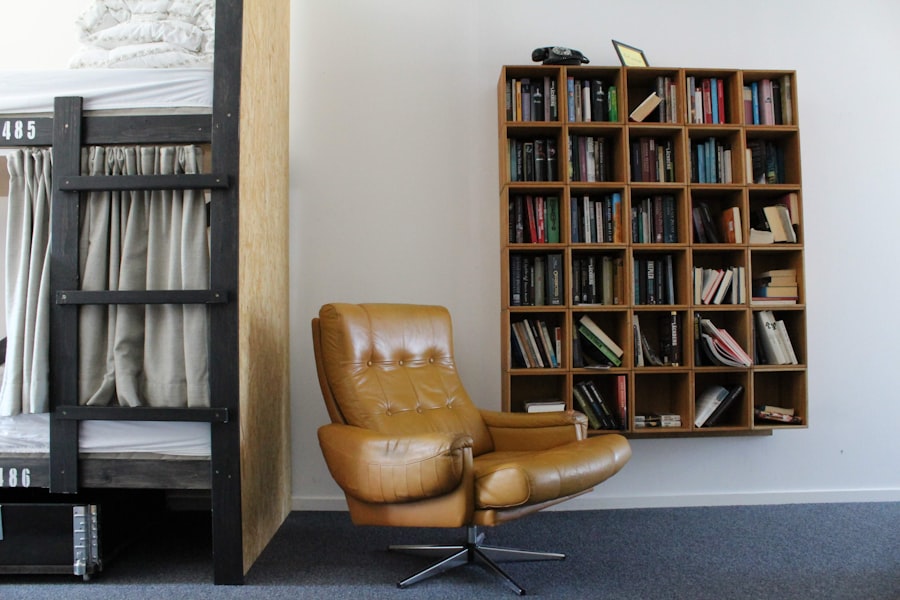


    designklassikere Denmark

    Det er en ting at anerkende skønheden i disse designs, men en anden at forstå, hvorfor de forbliver relevante årtier senere. Hvad er det, der giver dem deres langtidsholdbarhed?

    Æstetisk Valgfrihed

    Den minimalistiske og rene æstetik, som mange danske designklassikere udviser, betyder, at de ikke binder sig til en bestemt tidsperiode eller trend. De er ikke “moderne” i den forstand, at de er et produkt af en flygtig periode, men snarere tidløse i deres form.

    Renhed og Enkelthed

    Denne rene formgivning gør, at møblerne kan passe ind i næsten enhver indretningsstil. De kan blande sig med klassiske elementer, moderne kunst eller endda mere eksperimenterende indretning uden at trække hinanden ned.

    Fleksibilitet i Anvendelse

    En velformet stol kan lige så vel fungere som et kunstobjekt i et hjørne som en behagelig siddeplads ved et spisebord. Denne fleksibilitet i anvendelse øger deres værdi og levetid i et hjem.

    Håndværksmæssig Overlegenhed

    Som nævnt tidligere er kvaliteten af håndværket afgørende. Danske designklassikere er bygget til at holde.

    Materialernes Levetid

    Valg af holdbare materialer som massivt træ, kvalitetslæder og stærke tekstiler sikrer, at møblerne kan tåle tidens tand og daglig brug uden at miste deres form eller funktion.

    Reparation og Vedligeholdelse

    Den enkle konstruktion gør ofte også, at disse møbler er nemmere at reparere eller renovere, hvis uheldet skulle være ude. En slidt læderhynde kan udskiftes, eller et ridset træstykke kan slibes ned og behandles igen, hvilket forlænger møblets liv markant.

    Filosofien Bag: Mennesket i Centrum

    Grundlæggende set er dansk designklassikere skabt med mennesket i centrum. Det handler om at forbedre hverdagen og skabe atmosfære.

    Komfort og Ergonomi

    Udover at passe ind i et rum, er disse designobjekter ofte utroligt behagelige at bruge. Der ligger mange timers overvejelse bag ergonomien i en stol eller den rette spredning af lys fra en lampe.

    Bæredygtighed gennem Holdbarhed

    I en tid, hvor bæredygtighed er centralt, er dansk designklassikeres holdbarhed en form for økologi i sig selv. Ved at skabe genstande, der varer i generationer, mindskes behovet for konstant udskiftning og dermed forbrug.

    Genkendelige Træk ved Danske Designklassikere


    Photo designklassikere Denmark

    Selvom designerne er forskellige, er der ofte nogle fællesnævnere, der gør et dansk design genkendeligt. Disse træk er ikke koder, men snarere en fælles tråd, der løber gennem mange af de mest succesfulde værker.

    Naturlighed og Organiske Former

    En tendens mod organiske former, der efterligner naturens egne linjer og kurver, er tydelig i mange danske designklassikere.

    Træets Formbarhed

    Træets naturlige elasticitet og evne til at blive formet, især gennem dampning, har muliggjort skabelsen af svungne, ergonomiske former, der føles intuitive og behagelige.

    Fluiditet i Læder og Tekstiler

    Brugen af bløde materialer som læder og tekstiler bidrager yderligere til denne følelse af flydende, behagelige former.

    Farvepaletter og Materialevalg

    Mens der findes et utal af variationer, er der visse farve- og materialekombinationer, der ofte går igen.

    Naturlige Toner

    En præference for naturlige, jordnære farver som forskellige nuancer af træ, grå, beige og dæmpede blå eller grønne toner er fremtrædende. Dette bidrager til en rolig og harmonisk æstetik.

    Kontraster i Materialer

    Ofte ses en bevidst brug af kontrasterende materialer, for eksempel et træstel med en lædersæde eller en metalbase med en polstret top. Dette tilføjer dybde og interesse.

    Detaljer, der Tæller

    Selvom æstetikken er ren, er detaljerne i et dansk design ofte mesterligt udført.

    Snedkerdetaljer

    Synlige samlinger, tilpasninger af træsorter og en perfekt finish af overfladerne vidner om et højt niveau af håndværk.

    Funktionelle Detaljer

    Knapper, syninger eller andre elementer, der har en funktion, er ofte integreret på en æstetisk tiltalende måde.

    Designklassikere i Danmark har en særlig plads i hjertet hos mange, da de repræsenterer en kombination af æstetik og funktionalitet. Hvis du er interesseret i, hvordan shopping kan have en terapeutisk effekt og berige dit liv, kan du læse mere i denne artikel om retail therapy. Her udforskes de følelsesmæssige fordele ved at købe designprodukter, som ofte kan være med til at forbedre ens velvære og livskvalitet.

    Gennemførelse i Hjemmet: Hvordan Integrerer Man Klassikere?


    Designklassikere Danmark Antal produkter År for etablering
    Arne Jacobsen 27 1930
    Hans J. Wegner 35 1940
    Verner Panton 18 1950

    At have et dansk designklassiker i hjemmet er mere end bare et møbel; det er et bevidst valg om kvalitet, stil og en historie. Hvordan får man dem til at spille sammen med resten af indretningen?

    Ikke Bare Et Møbel

    Se på din designklassiker som et samtalestykke, et stykke historie eller et kunstværk. Det behøver ikke at være “bare” et bord eller en stol.

    Fremhæv Designet

    Placer klassikerne, så deres form og funktion bliver fremhævet. Undgå at overfylde rummet omkring dem, så de får plads til at “ånde.”

    Personlig Fortolkning

    Lad ikke frygten for at “ødelægge” en klassiker styre for meget. Det er dit hjem, og du skal kunne bruge dine møbler. En plaid eller en pude kan tilføje personlighed og varme, uden at formindske designets værdi.

    Blanding af Nyt og Gammelt

    De mest succesfulde indretninger blander ofte nyt med gammelt, og danske designklassikere fungerer exceptionelt godt i den sammenhæng.

    Skab Kontrast

    En moderne sofa kan parres med en vintage Wegner-stol for at skabe en interessant kontrast. Ligeledes kan et klassisk spisebord se fantastisk ud med moderne spisestuestole, hvis balancen er rigtig.

    Fokus på Kvalitet

    Nøglen er at fokusere på kvalitet og en bevidst æstetik, uanset om det er nyt eller gammelt. Vælg genstande, der taler sammen i form, farve og proportioner.

    Vedligeholdelse og Pleje

    For at designklassikere skal holde i generationer, kræver de den rette pleje.

    Følg Anvisninger

    Undersøg, hvilke anbefalinger der findes til vedligeholdelse af netop dine specifikke materialer. Træ kræver anden pleje end læder, og forskellige tekstiler har forskellige behov.

    Reparation er Økologi

    Tøv ikke med at få professionel hjælp til reparationer. En dygtig håndværker kan ofte fikse små skader, der ellers kunne blive til større problemer, og dermed forlænge møblets levetid markant. Dette er en bæredygtig tilgang til forbrug.

    Designklassikere Danmark har en rig historie med ikoniske møbler og interiør, der har præget dansk design i årtier. Hvis du er på udkig efter den perfekte gave til en designelsker, kan du finde inspiration i denne artikel om gavegivning, som giver gode råd til, hvad du skal overveje, når du vælger en gave. Du kan læse mere om det her gavegivning og finde ideer, der kombinerer funktionalitet med æstetik.

    Forskellen På “Klassisk” og “Kopi”

    I takt med at danske designklassikere er blevet utroligt populære, er der også kommet en række kopier og efterligninger på markedet. Det er vigtigt at kende forskel for at undgå skuffelse og for at støtte det oprindelige design.

    Ægthed og Håndværk

    Ægte designklassikere er produceret med en utrolig respekt for de oprindelige designere og deres visioner. Dette indebærer en høj standard for materialer og håndværk.

    Producentens Oprindelse

    Producenter som Carl Hansen & Søn (for Wegner), Fritz Hansen (for Jacobsen) og Louis Poulsen (for PH) har et ansvar for at opretholde den kvalitet og det håndværk, der er forbundet med deres klassikere.

    Autenticitet og Certifikater

    Mange producenter tilbyder certifikater eller stempler, der garanterer ægtheden af deres produkter. En undersøgelse af producenten og produktets oprindelse er derfor vigtig.

    Æstetiske Nuancer

    Selvom en kopi kan ligne originalen på afstand, er der ofte subtile forskelle i proportioner, finish og materialekvalitet, der afslører dens oprindelse.

    Detaljernes Betydning

    Små detaljer som samlinger, polering af træ eller syninger på læder kan variere markant. Disse detaljer er, hvad der adskiller et mesterværk fra en masseproduceret efterligning.

    Langtidsholdbarhed

    Kopier er ofte ikke bygget til at holde lige så længe som originalerne. Materialerne kan være af lavere kvalitet, og konstruktionen mindre robust.

    Investering og Værdi

    En ægte designklassiker er en investering i både stil og kvalitet. Den beholder ofte sin værdi og kan endda stige i værdi over tid.

    Værdien af Historie

    Udover selve produktet køber man også en del af designhistorien og et stykke håndværk, der er skabt med omhu og dedikation. Dette giver en merværdi, som en kopi sjældent kan matche.

    Etisk Overvejelse

    Ved at købe autentiske produkter støtter man de virksomheder, der respekterer og bevarer den oprindelige designarv, og sikrer, at håndværksmæssige traditioner kan fortsætte.

    Konklusion: Arven Lever Videre

    Danske designklassikere er mere end bare møbler; de er et udtryk for en dybdegående filosofi om funktionalitet, æstetik og respekt for materialer og håndværk. Deres tidløse elegance og praktiske anvendelighed sikrer, at de fortsat vil pryde og berige vores hjem i mange generationer fremover. De er et solidt bevis på, at godt design ikke har en udløbsdato.