Blog

  • What Should You Buy in 2025? Top Tech and Gadgets

    What Should You Buy in 2025? Top Tech and Gadgets

    In 2025, technology and trends will shape our buying choices. What should you buy in 2025?

    Let’s explore this exciting question. The world is rapidly changing, and so are our needs. New gadgets, innovative services, and groundbreaking products will flood the market. Predicting these trends can be challenging, but it’s essential for making smart purchases. Whether you’re a tech enthusiast, a home improvement fan, or someone looking for the next big thing, understanding what’s worth buying is key.

    This guide will help you navigate the future market. We’ll discuss potential must-have items and why they matter. Get ready to make informed choices and stay ahead of the curve in 2025.

    Smartphones

    Smartphones are a crucial part of our lives. They keep us connected and informed. In 2025, the market will see even more advanced models. These devices will offer exciting features and improved performance. Let’s explore the latest models and key features you should look for when buying a smartphone in 2025.

    Latest Models

    In 2025, several brands will release new smartphones. These models will come with cutting-edge technology and sleek designs. Here are some of the anticipated releases:

    Brand Model Release Date
    Apple iPhone 15 March 2025
    Samsung Galaxy S30 April 2025
    Google Pixel 8 May 2025

    Key Features

    The latest smartphones will come with several key features. These features will enhance user experience and provide better functionality.

    • 5G Connectivity: Faster internet speeds for seamless browsing and streaming.
    • Improved Battery Life: Long-lasting batteries to keep you going all day.
    • Advanced Cameras: High-resolution cameras for stunning photos and videos.
    • AI Integration: Smarter devices that learn and adapt to your usage.
    • Enhanced Security: Better protection for your data and privacy.

    When choosing a smartphone in 2025, consider these features. They will ensure you get the best device for your needs.

    Wearable Tech

    Wearable technology has seen significant advancements over recent years. By 2025, expect wearable tech to become even more integrated into daily life. These gadgets will not only be fashionable but also functional. They will help you stay connected, fit, and informed.

    Smartwatches

    Smartwatches are evolving rapidly. They are no longer just for telling time. Modern smartwatches offer many features. You can answer calls, check messages, and track your health. They also support various apps. Many brands offer smartwatches with unique styles. You can find one that suits your taste. Investing in a smartwatch can make life more convenient.

    Fitness Trackers

    Fitness trackers are perfect for health enthusiasts. They monitor your daily activities. This includes steps, sleep patterns, and heart rate. Newer models offer more accurate data. They also have longer battery life. Fitness trackers are lightweight and comfortable. You can wear them all day. They help you stay motivated and achieve your fitness goals.

    Laptops And Tablets

    Thinking about upgrading your tech gear in 2025? Laptops and tablets are essential tools for work, entertainment, and everything in between. With new advancements in technology, choosing the right device can be challenging. Here, we break down the best options for work and entertainment to help you make an informed decision.

    Best For Work

    For work, you need a laptop or tablet with strong performance. The 2025 models should feature the latest processors, ample RAM, and long battery life. Consider devices with solid-state drives for faster data access. Lightweight designs are also important for mobility. Look for models that offer high-resolution screens to reduce eye strain during long hours.

    Some top choices for work include the latest MacBook Pro and Microsoft Surface Pro. These devices offer powerful performance and sleek designs. They also have excellent keyboards and touchpads for comfortable typing. Their high build quality ensures they can handle daily wear and tear.

    Best For Entertainment

    When it comes to entertainment, screen quality and audio are key. Look for laptops and tablets with vibrant displays and high-resolution screens. Good sound quality enhances the viewing experience. Devices with OLED or QLED screens are excellent choices for watching movies and playing games.

    The iPad Pro and Samsung Galaxy Tab S series are top picks for entertainment. They offer stunning displays and great audio. These tablets also support a wide range of apps and games. For laptops, consider the Dell XPS series. They provide excellent screen quality and immersive sound.

    Smart Home Devices

    As we move into 2025, smart home devices are becoming essential. These gadgets offer convenience, security, and energy efficiency. Let’s explore some must-have devices for your home.

    Voice Assistants

    Voice assistants are more advanced now. They can control many smart devices. Amazon Echo and Google Home are popular choices. They help manage daily tasks with ease. Users can set reminders, play music, and get weather updates. Voice assistants make life simpler.

    Home Security Systems

    Home security systems are crucial for safety. Modern systems offer real-time alerts. Ring and Nest provide top-notch security solutions. They include cameras, sensors, and alarms. Users can monitor their homes from anywhere. These systems help deter burglars and ensure peace of mind.

    Gaming Consoles

    Gaming consoles in 2025 promise to bring exciting advancements. The new generation of consoles will offer better graphics, faster performance, and more immersive experiences. Choosing the right console can greatly enhance your gaming enjoyment.

    Top Choices

    The top gaming consoles in 2025 will include the latest models from major brands. Sony’s PlayStation 6 is expected to lead with impressive specs. Microsoft’s Xbox Series Z will compete with high performance and exclusive titles. Nintendo’s Switch 2 will attract fans with its unique gaming style.

    Each console will have its strengths. The PlayStation 6 may offer advanced VR capabilities. Xbox Series Z will likely focus on powerful graphics and online services. The Switch 2 might bring new innovative features.

    Exclusive Games

    Exclusive games will play a big role in choosing a console. PlayStation 6 will have titles like the next God of War and Horizon series. Xbox Series Z will feature new Halo and Forza games. The Switch 2 will offer the latest Mario and Zelda adventures.

    These exclusive games will be a major draw. They often provide unique experiences that are not available on other platforms. This can be a deciding factor for many gamers.

    What Should You Buy in 2025? Top Tech and Gadgets

    Credit: www.youtube.com

    Augmented Reality

    As we approach 2025, Augmented Reality (AR) is poised to become a part of daily life. AR blends the digital world with the physical, creating immersive experiences. This technology will transform how we interact, learn, and entertain ourselves. Let’s explore some of the top AR products to consider in 2025.

    Ar Glasses

    AR glasses are expected to be a hot buy in 2025. These glasses overlay digital information onto the real world, enhancing our vision. Imagine walking down the street and seeing directions right in front of you. Or, looking at a product and instantly getting reviews and prices.

    Some features to look for in AR glasses include:

    • Lightweight and comfortable design
    • High-resolution displays
    • Long battery life
    • Seamless connectivity with smartphones

    Several companies are developing advanced AR glasses that will fit various needs. Whether you want them for work, learning, or fun, AR glasses are worth considering.

    Ar Applications

    AR applications will be more diverse and useful in 2025. These apps will offer new ways to experience the world. They can help you learn, play, and solve problems.

    Here are some exciting AR applications to look forward to:

    • Education: Interactive lessons in history, science, and more.
    • Gaming: Games that blend virtual and real-world elements.
    • Shopping: Try on clothes or place furniture in your home.
    • Navigation: Real-time directions and information.

    AR applications will make tasks easier and more enjoyable. They will also enhance how we connect with our environment and each other.

    Electric Vehicles

    Electric Vehicles are becoming more popular each year. By 2025, they will be a significant part of the market. They are eco-friendly, cost-effective, and fun to drive. If you plan to buy a new car in 2025, consider an electric vehicle.

    Latest Models

    By 2025, many new electric vehicles (EVs) will be available. Some top models to watch include:

    • Tesla Model 3: Known for its range and advanced features.
    • Nissan Leaf: A budget-friendly option with good range.
    • Ford Mustang Mach-E: Combines power with zero emissions.
    • Chevy Bolt EV: Offers excellent range at an affordable price.

    Each model has unique features. Choose one that fits your needs and budget.

    Charging Solutions

    Charging your electric vehicle is crucial. Here are some solutions:

    Charging Type Details Time
    Home Charging Install a charger at home. 6-12 hours
    Public Charging Available at malls and parking lots. 1-4 hours
    Fast Charging Special stations for quick charge. 30-60 minutes

    Plan your charging needs before purchasing an EV. It will make your experience smoother.

    What Should You Buy in 2025? Top Tech and Gadgets

    Credit: www.cars.com

    Health Tech

    As we move into 2025, health tech will become more vital than ever. Advanced technologies are transforming the way we monitor and manage our health. In this section, we will focus on two key areas: Personal Health Devices and Telemedicine Tools.

    Personal Health Devices

    Personal health devices will be essential in 2025. These devices help you track your health in real-time.

    • Smartwatches: Modern smartwatches do more than just tell time. They monitor your heart rate, sleep patterns, and even stress levels.
    • Fitness Trackers: Fitness trackers count your steps, measure your workouts, and track your calories.
    • Blood Glucose Monitors: For those with diabetes, continuous glucose monitors will be a game-changer. These devices provide real-time data on blood sugar levels.
    • Blood Pressure Monitors: These monitors help you keep track of your blood pressure throughout the day.

    Telemedicine Tools

    Telemedicine tools will enhance remote healthcare access. You can consult with doctors without leaving home.

    • Video Consultation Platforms: Platforms like Zoom for Healthcare allow you to have face-to-face consultations with your doctor.
    • Remote Monitoring Systems: These systems let healthcare providers monitor your health metrics from afar.
    • Telehealth Apps: Apps like Doctor on Demand provide access to healthcare professionals via your smartphone.

    Investing in these health tech tools in 2025 will help you stay on top of your health. Stay informed and make the best choices for your well-being.

    What Should You Buy in 2025? Top Tech and Gadgets

    Credit: www.noradarealestate.com

    Frequently Asked Questions

    What Are The Best Tech Gadgets For 2025?

    The best tech gadgets for 2025 include advanced AI assistants, foldable smartphones, and smart home devices. These innovations promise enhanced convenience and connectivity.

    Should I Invest In Electric Vehicles In 2025?

    Yes, investing in electric vehicles in 2025 is wise. They offer environmental benefits, cost savings, and advanced technology.

    What Smart Home Devices Will Be Popular In 2025?

    In 2025, popular smart home devices will include smart thermostats, security systems, and voice-activated assistants. These devices enhance home efficiency and security.

    Are Wearable Tech Devices Worth Buying In 2025?

    Yes, wearable tech devices in 2025 offer significant health and fitness tracking improvements. They provide valuable insights and convenience.

    Conclusion

    As 2025 approaches, smart choices can shape your future. Focus on sustainable products. Invest in tech upgrades for better living. Look for health and wellness items. Prioritize budget-friendly and eco-friendly options. These decisions will bring long-term benefits. Stay informed and make wise purchases.

    Your future self will thank you. Happy shopping!

  • Crafting Captivating Headlines: Your awesome post title goes here

    Crafting Captivating Headlines: Your awesome post title goes here

    Engaging Introductions: Capturing Your Audience’s Interest

    The initial impression your blog post makes is crucial, and that’s where your introduction comes into play. Hook your readers with a captivating opening that sparks curiosity or emotion. Address their pain points or questions to establish a connection. Outline the purpose of your post and give a sneak peek into what they can expect. A well-crafted introduction sets the tone for an immersive reading experience.

    Crafting Informative and Cohesive Body Content

    Within the body of your blog post lies the heart of your message. Break down your content into coherent sections, each with a clear heading that guides readers through the narrative. Dive deep into each subtopic, providing valuable insights, data, and relatable examples. Maintain a logical flow between paragraphs using transitions, ensuring that each point naturally progresses to the next. By structuring your body content effectively, you keep readers engaged and eager to learn more.

    Powerful Closures: Leaving a Lasting Impression

    Concluding your blog post isn’t just about wrapping things up – it’s your final opportunity to leave a strong impact. Summarize the key takeaways from your post, reinforcing your main points. If relevant, provide actionable solutions or thought-provoking questions to keep readers thinking beyond the post. Encourage engagement by inviting comments, questions, or sharing. A well-crafted conclusion should linger in your readers’ minds, inspiring them to explore further or apply what they’ve learned.

  • The Art of Drawing Readers In: Your attractive post title goes here

    The Art of Drawing Readers In: Your attractive post title goes here

    Engaging Introductions: Capturing Your Audience’s Interest

    The initial impression your blog post makes is crucial, and that’s where your introduction comes into play. Hook your readers with a captivating opening that sparks curiosity or emotion. Address their pain points or questions to establish a connection. Outline the purpose of your post and give a sneak peek into what they can expect. A well-crafted introduction sets the tone for an immersive reading experience.

    Crafting Informative and Cohesive Body Content

    Within the body of your blog post lies the heart of your message. Break down your content into coherent sections, each with a clear heading that guides readers through the narrative. Dive deep into each subtopic, providing valuable insights, data, and relatable examples. Maintain a logical flow between paragraphs using transitions, ensuring that each point naturally progresses to the next. By structuring your body content effectively, you keep readers engaged and eager to learn more.

    Powerful Closures: Leaving a Lasting Impression

    Concluding your blog post isn’t just about wrapping things up – it’s your final opportunity to leave a strong impact. Summarize the key takeaways from your post, reinforcing your main points. If relevant, provide actionable solutions or thought-provoking questions to keep readers thinking beyond the post. Encourage engagement by inviting comments, questions, or sharing. A well-crafted conclusion should linger in your readers’ minds, inspiring them to explore further or apply what they’ve learned.

  • Mastering the First Impression: Your intriguing post title goes here

    Mastering the First Impression: Your intriguing post title goes here

    Engaging Introductions: Capturing Your Audience’s Interest

    The initial impression your blog post makes is crucial, and that’s where your introduction comes into play. Hook your readers with a captivating opening that sparks curiosity or emotion. Address their pain points or questions to establish a connection. Outline the purpose of your post and give a sneak peek into what they can expect. A well-crafted introduction sets the tone for an immersive reading experience.

    Crafting Informative and Cohesive Body Content

    Within the body of your blog post lies the heart of your message. Break down your content into coherent sections, each with a clear heading that guides readers through the narrative. Dive deep into each subtopic, providing valuable insights, data, and relatable examples. Maintain a logical flow between paragraphs using transitions, ensuring that each point naturally progresses to the next. By structuring your body content effectively, you keep readers engaged and eager to learn more.

    Powerful Closures: Leaving a Lasting Impression

    Concluding your blog post isn’t just about wrapping things up – it’s your final opportunity to leave a strong impact. Summarize the key takeaways from your post, reinforcing your main points. If relevant, provide actionable solutions or thought-provoking questions to keep readers thinking beyond the post. Encourage engagement by inviting comments, questions, or sharing. A well-crafted conclusion should linger in your readers’ minds, inspiring them to explore further or apply what they’ve learned.

  • How Do You Know If an Online Shopping Website is Trustworthy: Essential Tips

    How Do You Know If an Online Shopping Website is Trustworthy: Essential Tips

    Check for HTTPS in the URL and read online reviews. Verify contact information and ensure a secure payment gateway.

    Shopping online can be convenient, but it’s crucial to ensure the website is trustworthy. Look for HTTPS in the website address, which indicates a secure connection. Read customer reviews and testimonials on independent platforms. Reliable websites provide clear contact information, such as a phone number and physical address.

    Check for a secure payment gateway to protect your financial information. A well-designed website with professional content is also a good indicator of legitimacy. Avoid websites with poor grammar and spelling errors. Finally, look for certifications and trust badges from recognized organizations. These steps will help you shop safely online.

    How Do You Know If an Online Shopping Website is Trustworthy: Essential Tips

    Credit: columbiacommunityconnection.com

    Website Security Features

    Online shopping is great, but making sure the website is secure is vital. Website security features help you know if a site is safe for shopping. Look for these key security features to ensure your personal and payment information is protected.

    Ssl Certificates

    Always check if the website has an SSL certificate. This certificate ensures that the data sent between your browser and the website is encrypted. You can spot an SSL certificate by looking for a padlock symbol in the address bar. Also, the website URL should start with https:// instead of http://. If the site has these, your data is safe from eavesdropping.

    Two-factor Authentication

    Another important security feature is Two-Factor Authentication (2FA). This adds an extra layer of security to your account. With 2FA, you need to provide two types of information to log in. First, you enter your password. Then, you need to enter a code sent to your phone or email. This makes it much harder for hackers to access your account.

    Security Feature What It Does
    SSL Certificates Encrypts data between your browser and the website.
    Two-Factor Authentication Requires a second form of verification to log in.

    Customer Reviews And Ratings

    Customer reviews and ratings are crucial for determining a shopping site’s trustworthiness. They provide real user feedback and can help avoid scams. But how do you read and trust these reviews? Let’s dive in.

    Reading Reviews

    Reading reviews helps to know other shoppers’ experiences. Start by checking the average rating. A higher rating usually means better service.

    • Look for reviews with detailed experiences.
    • Note both positive and negative comments.
    • Check if the reviews mention product quality and shipping times.

    Detailed reviews are often more helpful. They provide specific information about the product and service.

    Identifying Fake Reviews

    Fake reviews can mislead you. Knowing how to spot them is key.

    Signs of Fake Reviews Description
    Too Many 5-Star Reviews If a product has only perfect reviews, be cautious.
    Generic Language Fake reviews often use vague language. Look for specifics.
    Repetitive Phrases Identical sentences in different reviews can indicate fakes.

    Spotting fake reviews keeps you safe from scams. Trustworthy reviews are often balanced and detailed.

    Use customer reviews and ratings wisely to shop safely online. They are a powerful tool for making informed decisions.

    Return And Refund Policies

    Return and refund policies are essential for online shoppers. They offer peace of mind and protect your purchases. A clear policy ensures you can return items easily and receive refunds quickly.

    Clear Policy

    A trustworthy website will have a clear return and refund policy. This policy should be easy to find and understand. Look for details like:

    • Timeframe for returns
    • Conditions for eligible returns
    • Types of refunds offered

    A clear policy shows the website values your satisfaction. It also indicates they want to ensure a smooth shopping experience.

    Return Process

    The return process should be simple and straightforward. Look for steps like:

    1. Contacting customer service
    2. Filling out a return form
    3. Shipping the item back

    Check if the website provides a return shipping label. This can save you time and effort. A clear return process shows the website’s commitment to customer service.

    Feature Details
    Timeframe 30 days from purchase
    Eligibility Unused items in original packaging
    Refund Type Full refund or store credit

    Look for these key features in the return process. They indicate a trustworthy online shopping website. Always read and understand the return and refund policies before making a purchase.

    How Do You Know If an Online Shopping Website is Trustworthy: Essential Tips

    Credit: columbiacommunityconnection.com

    Contact Information

    Verifying contact information is crucial when assessing an online shopping website’s trustworthiness. Detailed contact information builds confidence and provides a way to resolve issues. Let’s delve into key elements such as customer support and business address.

    Customer Support

    Reliable websites offer multiple customer support options. Look for a dedicated customer support page. It should list phone numbers, email addresses, and live chat options.

    • Phone Support: A clear and working phone number indicates credibility.
    • Email Support: A professional email address (e.g., [email protected]) is essential.
    • Live Chat: Live chat options provide instant assistance and boost trust.

    Test the response times of these support channels. Quick and helpful replies signal a trustworthy website.

    Business Address

    A legitimate website will display a physical business address. This can usually be found in the ‘Contact Us’ section. Verify the address using Google Maps or another map service.

    Details to Look For Why It Matters
    Street Address Ensures the business has a physical location
    City and State Confirms the business operates within a known region
    Postal Code Helps in verifying the exact location

    Look up the business address online to ensure it matches the company’s name. Confirming these details helps establish the website’s authenticity.

    Website Design And Usability

    How to Know If an Online Shopping Website is Trustworthy

    A trustworthy online shopping website often shines through its design and usability. These elements play a crucial role in building trust and ensuring a pleasant shopping experience. Let’s explore the key aspects of website design and usability.

    Professional Appearance

    A professional appearance is a strong indicator of trustworthiness. Look for these features:

    • High-quality images: Clear and attractive product photos.
    • Consistent branding: Uniform colors, logos, and fonts.
    • Polished layout: Clean, organized, and easy on the eyes.

    If a website looks like it was designed with care, it’s likely more trustworthy.

    Ease Of Navigation

    Ease of navigation greatly impacts your shopping experience. Key elements to consider:

    1. Intuitive menus: Categories and subcategories should be easy to find.
    2. Search functionality: A robust search bar to find products quickly.
    3. Clear calls-to-action: Buttons like “Add to Cart” and “Checkout” should stand out.

    A website that is easy to navigate helps you find what you need quickly, enhancing trust.

    How Do You Know If an Online Shopping Website is Trustworthy: Essential Tips

    Credit: www.foxnews.com

    Payment Options

    Payment options play a crucial role in determining the trustworthiness of an online shopping website. Knowing the available payment methods can help you feel secure. Below, we will explore the key aspects to consider.

    Secure Payment Methods

    Always check if the website offers secure payment methods. Look for trusted payment gateways like PayPal, Stripe, or Square. These platforms offer buyer protection, ensuring your money is safe. Websites should also use SSL encryption. This ensures your data is secure during transactions.

    Indicators of a secure website include:

    • HTTPS in the URL
    • Padlock icon in the address bar
    • Trust badges from known security companies

    Multiple Payment Options

    Trustworthy websites offer multiple payment options. This includes credit cards, debit cards, and digital wallets. Providing various options shows the site caters to different user preferences.

    Common payment methods include:

    Payment Method Details
    Credit/Debit Cards Visa, MasterCard, and American Express
    Digital Wallets PayPal, Google Pay, Apple Pay
    Bank Transfers Direct transfer from your bank account

    Offering multiple payment methods shows flexibility. It also indicates the website’s readiness to accommodate a broad customer base. Always choose websites that provide several secure payment methods for safe shopping.

    Company Background

    Knowing a company’s background can help determine if an online shopping website is trustworthy. This section delves into two crucial aspects: the “About Us” page and the years in business.

    About Us Page

    The About Us page offers insights into the company’s mission, values, and history. A well-detailed page often signals transparency and trust. Look for:

    • Company mission and vision.
    • Founders’ backgrounds and expertise.
    • Customer testimonials and reviews.
    • Partnerships and affiliations.

    A comprehensive About Us page reflects a trustworthy company. It shows their commitment to customers and business ethics.

    Years In Business

    The number of years in business can indicate reliability. Older companies have a track record. You can find this information on:

    1. The About Us page.
    2. The website footer.
    3. Business registration databases.
    Years in Business Trust Level
    1-2 Years Moderate
    3-5 Years High
    5+ Years Very High

    Companies with more than five years in business usually have a high trust level. They have proven their stability and reliability over time.

    Privacy Policy

    Understanding an online shopping website’s privacy policy is crucial. It tells you how the site handles your personal information. A clear privacy policy indicates a trustworthy website.

    Data Protection

    Good websites prioritize data protection. They use encryption to safeguard your details. Look for SSL certificates, typically indicated by a padlock icon in the browser. This ensures that your data is transmitted securely. Websites should also have firewalls and anti-virus protections in place. These measures prevent unauthorized access and data breaches.

    Third-party Sharing

    Check if the website shares your data with third parties. A trustworthy site will be transparent about this. They should state clearly who they share data with and why. Usually, they only share data with partners for order fulfillment or marketing purposes. Always look for an option to opt-out of third-party sharing. This gives you control over your personal information.

    Key Elements Description
    Encryption Secures your data during transmission.
    SSL Certificates Indicated by a padlock icon; ensures secure connection.
    Firewalls Protects against unauthorized access.
    Opt-Out Options Allows you to control data sharing with third parties.

    Frequently Asked Questions

    How Can You Identify A Secure Website?

    Look for “https” in the URL and a padlock icon. These indicate encrypted connections, enhancing security.

    What Are Signs Of A Trustworthy Online Store?

    Check for contact information, customer reviews, and clear return policies. These elements signify transparency and reliability.

    Why Are Customer Reviews Important?

    Customer reviews offer real experiences and insights. They help gauge the website’s credibility and product quality.

    Is The Presence Of A Privacy Policy Important?

    Yes, a privacy policy shows how your data is handled. This ensures your personal information is protected.

    Conclusion

    Finding a trustworthy online shopping website is crucial for a safe shopping experience. Look for secure payment methods, positive reviews, and clear return policies. Trust your instincts and research thoroughly before making a purchase. By following these guidelines, you can shop online with confidence and enjoy a stress-free experience.

  • What Do You Think are the Advantages of Buying Things from Shops Rather Than Markets: Convenience and Quality

    Shops offer better quality assurance and a more diverse product range. They provide a more reliable shopping experience.

    Shopping at stores offers several benefits over markets. Stores often maintain higher quality standards, ensuring customers receive well-vetted products. They also provide a wider variety of items, catering to diverse needs and preferences. Shops typically offer a more comfortable shopping environment, with organized displays and assistance from knowledgeable staff.

    This professional atmosphere often results in better customer service and satisfaction. Additionally, stores may have return policies and warranties, offering more security for your purchases. Shopping at stores, therefore, combines convenience, quality, and peace of mind, making it a preferable option for many consumers.

    What Do You Think are the Advantages of Buying Things from Shops Rather Than Markets: Convenience and Quality

    Credit: www.hotjar.com

    Convenience Factor

    Advantages of Buying Things from Shops Rather Than Markets

    Shopping in stores offers various benefits that make life easier. One major advantage is the convenience factor. Shops provide a more streamlined and hassle-free experience compared to markets.

    Accessibility

    Shops are usually in easily accessible locations. They are often situated near residential areas and public transport. This means you can reach them without much effort. Most shops also have parking facilities, making them more convenient for drivers.

    Operating Hours

    Shops generally have set operating hours. They often open early and close late. Many shops also operate seven days a week. This flexibility allows you to shop at your convenience.

    Shop Type Opening Hours Days Open
    Supermarket 8 AM – 10 PM 7 Days
    Convenience Store 24 Hours 7 Days
    Pharmacy 9 AM – 9 PM 7 Days

    Markets usually have limited operating hours. They often close early in the evening. Some markets are also closed on certain days. This can limit your shopping flexibility. Shops, with their longer hours, offer a more convenient shopping experience.

    Product Quality

    Advantages of Buying from Shops Rather Than Markets: Product Quality

    When buying from shops, you often get better product quality. Shops usually offer items that have passed strict quality checks. This ensures you get the best value for your money.

    Brand Assurance

    Shops sell products from well-known brands. These brands have a reputation to maintain. They ensure their products meet high standards.

    Branded items come with warranties. This means you can return or exchange them if they are faulty. Markets often lack this assurance.

    Quality Control

    Shops have strict quality control measures. Products are checked before they are placed on shelves. This reduces the chances of buying defective items.

    Markets might not have the same level of control. Items sold might be of lower quality. In shops, you can trust the quality more.

    Shops Markets
    Strict Quality Control Less Quality Control
    Brand Assurance Unbranded Items
    Warranties Available No Warranties
    • Shops offer branded items.
    • Shops ensure strict quality control.
    • Shops provide warranties for products.

    Customer Service

    Customer service is a key advantage of buying from shops. Shops provide a personal touch that markets often lack. The staff in shops are trained to help you with your needs. Let’s explore how shops excel in customer service through personalized assistance and after-sales support.

    Personalized Assistance

    Shops offer personalized assistance to each customer. Staff members are available to guide you. They can help you find the right product. This is especially helpful if you have specific needs or questions.

    In shops, you can get expert advice. Staff are usually well-trained and knowledgeable. They can recommend the best products for you. This ensures you make informed decisions.

    Here’s a quick comparison:

    Shops Markets
    Personalized assistance Limited personal interaction
    Expert advice General advice

    After-sales Support

    Buying from shops comes with after-sales support. This includes help with returns and exchanges. Shops often have clear return policies. You can easily return or exchange a product if needed.

    Shops also offer warranties on many products. This gives you peace of mind. If something goes wrong, you can get it fixed or replaced.

    Here’s a list of after-sales support benefits:

    • Help with returns and exchanges
    • Warranties on products
    • Customer service hotlines

    After-sales support in shops is often more reliable. You know where to go if you need help. This reduces stress and increases satisfaction.

    Shopping Experience

    When we talk about the shopping experience, shops often offer a different vibe compared to markets. Shops tend to provide a more structured, comfortable, and enjoyable atmosphere. This can influence your overall satisfaction with the shopping journey.

    Ambiance

    Shops often have a clean and organized ambiance. The layout is usually well-thought-out, guiding customers smoothly from one section to another. This makes it easier to find what you need.

    Many shops play pleasant background music, enhancing the overall experience. The lighting is also carefully designed to create a welcoming environment. This attention to detail can make shopping more enjoyable.

    Facilities

    Shops generally offer better facilities than markets. You often find air conditioning in shops, providing a comfortable shopping environment regardless of the weather outside.

    Many shops have clean restrooms available for customers. This is a significant advantage, especially during long shopping trips.

    Shops may also provide seating areas where you can rest while shopping. This makes the experience less tiring and more enjoyable.

    Table: Comparison of Facilities Between Shops and Markets

    Facility Shops Markets
    Air Conditioning Yes No
    Restrooms Yes Limited
    Seating Areas Yes No

    Overall, the shopping experience in shops is often more comfortable. The ambiance and facilities provided can significantly enhance your overall satisfaction.

    Payment Options

    One of the significant advantages of shopping at stores rather than markets is the variety of payment options available. Stores provide multiple methods to pay, ensuring a seamless and secure transaction process. Let’s dive into the benefits of payment options offered by shops.

    Variety Of Methods

    Stores offer a broad range of payment methods. You can pay using cash, credit cards, debit cards, and even digital wallets. This flexibility ensures you can choose the method that best suits your needs.

    • Cash: Many prefer cash for its simplicity.
    • Credit/Debit Cards: Swipe your card for quick transactions.
    • Digital Wallets: Use apps like PayPal, Apple Pay, or Google Wallet.

    These options are convenient and often come with rewards or cashback offers. This makes shopping more enjoyable and rewarding.

    Security

    Shopping at stores provides a higher level of security for your transactions. Electronic payment methods come with encryption and fraud detection systems.

    Payment Method Security Features
    Credit/Debit Cards Encryption, Fraud Detection
    Digital Wallets Two-Factor Authentication, Biometric Verification

    These security features protect your financial information from theft and fraud. Traditional markets often rely on cash transactions, which can be riskier and less secure.

    What Do You Think are the Advantages of Buying Things from Shops Rather Than Markets: Convenience and Quality

    Credit: www.investopedia.com

    Return And Exchange Policies

    Buying products from shops often ensures better return and exchange policies compared to markets. Shops usually have clear rules and procedures that protect customers’ rights. This makes the shopping experience less risky and more satisfying.

    Ease Of Returns

    Shops typically offer an easy return process. Customers can bring back products without much hassle. Shops often provide clear instructions on how to return items.

    • Receipts are usually required for returns.
    • Products are often accepted back within 30 days.
    • Shops may offer refunds, store credit, or exchanges.

    This streamlined process makes it convenient for customers to return products. It reduces stress and saves time.

    Customer Satisfaction

    Clear return policies boost customer satisfaction. Shoppers feel safer knowing they can return faulty items. This assurance often encourages more purchases.

    Many shops also provide customer service representatives who assist with returns. They help answer questions and resolve issues promptly. This personalized service adds to the positive shopping experience.

    Aspect Shops Markets
    Return Policy Clear and detailed Often unclear
    Customer Support Available Limited
    Ease of Process Streamlined Varies

    Overall, the structured return and exchange policies of shops ensure a stress-free shopping experience. This leads to higher customer satisfaction and repeat business.

    Product Variety

    Advantages of Buying Things from Shops

    Shopping in stores offers a unique experience. You can explore a wide range of products. This variety makes it easier to find exactly what you need. Let’s dive into how shops provide this advantage.

    Range Of Choices

    Shops often stock a vast array of products. You can find different brands, sizes, and colors. This makes it easy to compare and choose the best item. For example, a single store might offer:

    • Multiple brands of the same product
    • Various price ranges
    • Different quality levels

    This variety ensures that you get the best value for your money.

    Availability Of New Products

    Shops frequently update their inventory. They often introduce the latest products. This means you have access to the newest trends and technologies. Markets might not have the latest items. Shops also have:

    • Regular stock updates
    • Exclusive product launches
    • Special promotions on new items

    Being able to buy the latest products is a big advantage.

    What Do You Think are the Advantages of Buying Things from Shops Rather Than Markets: Convenience and Quality

    Credit: www.investopedia.com

    Frequently Asked Questions

    Why Choose Shops Over Markets For Buying?

    Shops often provide a more organized shopping experience. They offer a wider range of products. Shops usually have consistent pricing and quality control.

    Are Shops More Reliable Than Markets?

    Yes, shops generally have more reliable and consistent quality. They often have return policies and warranties. This can provide peace of mind.

    Do Shops Offer Better Customer Service?

    Shops typically have dedicated customer service staff. They can help with inquiries and issues. This improves the overall shopping experience.

    Can You Find Better Deals In Shops?

    Shops often have sales and discounts. These can sometimes be better than market deals. Shops also offer loyalty programs.

    Conclusion

    Shopping in shops offers convenience, reliability, and quality assurance. Shops often provide better customer service and return policies. Additionally, you can find a wider range of branded products. By choosing shops, you gain a more secure and satisfying shopping experience.

    Make informed decisions and enjoy your purchases.


  • What is the Difference between Shopping Online And in a Store: A Deep Dive

    What is the Difference between Shopping Online And in a Store: A Deep Dive

    Shopping online offers convenience and a wider selection, while shopping in a store provides immediate gratification and physical product inspection. Shopping habits have transformed dramatically with the rise of e-commerce.

    Online shopping allows consumers to browse products from the comfort of their homes, often offering more choices and better deals. Physical stores, on the other hand, enable shoppers to see, touch, and try items before purchasing. This hands-on experience can be crucial for products like clothing and electronics.

    While both methods have their benefits, online shopping saves time and often money, whereas in-store shopping provides instant access to purchases. Understanding these differences helps consumers make informed decisions based on their preferences and needs.

    Convenience Factor

    The convenience factor is a significant difference between shopping online and in a store. Shoppers often seek the easiest and quickest way to purchase goods. This makes the convenience factor an essential part of their decision-making process. Let’s explore how ease of access and time efficiency play a role in this.

    Ease Of Access

    Shopping online provides unmatched ease of access. You can shop from the comfort of your home. No need to travel or wait in lines. All you need is an internet connection and a device.

    Online stores are open 24/7. You can shop anytime, day or night. No need to worry about store hours or holidays. This makes shopping online very convenient for busy individuals.

    In contrast, shopping in a store requires physical presence. You need to travel to the store location. Store hours can limit your shopping time. Weekends and holidays can be crowded and stressful.

    Time Efficiency

    Shopping online saves valuable time. You can quickly search for products using keywords. Filters and categories help you find what you need fast. No need to walk through aisles or search shelves.

    Checkout is also faster online. Digital payment options are quick and secure. You can complete your purchase in minutes. Compare this to waiting in long lines at a store.

    Shopping in a store can be time-consuming. Travel time adds up, especially in traffic. Finding parking can be a hassle. Browsing through products takes longer compared to online searches.

    In summary, the convenience factor in shopping online is significant. It offers unmatched ease of access and time efficiency. This makes it an attractive option for many shoppers.

    What is the Difference between Shopping Online And in a Store: A Deep Dive

    Credit: www.researchgate.net

    Product Variety

    Shopping online and in a store presents different experiences. One big difference is the product variety available in each option. Let’s explore how the range of options and availability differ between the two.

    Range Of Options

    Online shopping offers a vast range of products. You can find items from many brands and sellers worldwide. This variety is hard to match in a physical store. Here’s a comparison:

    Shopping Online Shopping In-Store
    Access to global brands Limited to local brands
    Wide selection of categories Categories limited by store space
    Easy to compare prices Must visit multiple stores

    Availability

    Availability of products also differs significantly. Online stores often have large warehouses. This means they can stock more items. Physical stores have limited space. This limits the number of products they can hold.

    • Online Shopping: Often has items in stock, even rare ones.
    • In-Store Shopping: Stock can run out quickly, especially during sales.

    Many online retailers offer pre-order options. This ensures you get the product once it’s back in stock. Physical stores may not always provide this service.

    Price Comparison

    Shopping online and in stores offers different experiences, especially in terms of price comparison. Understanding these differences helps in making better purchasing decisions. Let’s explore the main aspects under price comparison.

    Cost Differences

    Online shopping often provides lower prices compared to physical stores. This is due to the reduced overhead costs for online retailers. Physical stores have expenses like rent and utilities, which can increase product prices.

    In contrast, online stores can operate from warehouses, cutting down on costs. They can pass these savings on to consumers, making products cheaper online.

    Discounts And Deals

    Both online and physical stores offer discounts and deals, but there are notable differences. Online shopping platforms frequently provide exclusive deals, especially during events like Black Friday and Cyber Monday.

    Physical stores, on the other hand, may offer in-store only discounts. These can be found during clearance sales or special promotions.

    Shopping Method Type of Discounts Examples
    Online Exclusive Deals Black Friday, Cyber Monday
    In-Store Clearance Sales End-of-Season Sales

    Ultimately, each shopping method has its own advantages regarding price comparison. Understanding these can help you save money and find the best deals available.

    Shopping Experience

    The shopping experience varies greatly between online shopping and in-store shopping. Understanding these differences can help you decide which option suits your needs best. This section delves into the sensory experience and customer service aspects of both shopping methods.

    Sensory Experience

    Shopping in a store involves all your senses. You can touch and feel the products. This tactile experience helps in making confident purchasing decisions. The visual display of items in a store can also be more engaging. You see products arranged in a way that might inspire you.

    Online shopping lacks this sensory experience. You rely on images and descriptions. This can sometimes lead to uncertainty. Yet, online stores often provide detailed product information and customer reviews. This can help you make an informed choice.

    Customer Service

    In-store shopping offers immediate customer service. Sales assistants are available to answer your questions. They can offer personalized advice based on your needs. This face-to-face interaction can enhance your shopping experience.

    Online shopping also provides customer service, but it is different. You might interact through live chat, email, or phone calls. The responses are often quick but lack the personal touch. Yet, online stores offer extensive FAQs and support sections. These resources can be very helpful.


    Return Policies

    Return policies play a crucial role in shopping experiences. They determine how easy it is to return items. This aspect varies significantly between online and in-store shopping. Understanding these differences can help you make better shopping decisions.

    Ease Of Returns

    Returning items bought online can be more complex. You often need to follow several steps. This includes repackaging the item and printing return labels. You might also need to visit a shipping center. In contrast, in-store returns are usually simpler. You can return items directly to the store. This process is often quicker and more straightforward.

    Aspect Online Shopping In-Store Shopping
    Steps Involved Multiple steps: repackaging, labeling, shipping Single step: return to the store
    Time Required Several days Instant

    Refund Process

    The refund process also differs. Online refunds usually take longer. You often need to wait for the item to reach the warehouse. Then, the company processes your refund. This can take several days or even weeks.

    In-store refunds are typically faster. You can get your money back instantly. Sometimes, you might get store credit instead. This is quicker and more convenient. It eliminates the waiting period associated with online refunds.

    • Online Refunds: Longer process, involves shipping and waiting.
    • In-Store Refunds: Faster process, often instant.

    Understanding these differences can help you make informed shopping choices. Whether you shop online or in-store, knowing the return policies can save you time and hassle.

    What is the Difference between Shopping Online And in a Store: A Deep Dive

    Credit: www.ramseysolutions.com

    Security Concerns

    Difference Between Shopping Online And In a Store: Security Concerns

    Shopping online and in-store offer different experiences. Each has unique security concerns. Understanding these can help you shop safely. Let’s explore two main areas: payment security and personal data protection.

    Payment Security

    Online shopping requires you to enter card details. This can pose risks. Hackers target websites to steal payment information. Here are some tips to stay safe:

    • Use secure websites with HTTPS.
    • Avoid public Wi-Fi for transactions.
    • Enable two-factor authentication (2FA).

    In-store shopping involves physical card swipes or cash. Card skimmers can steal data at ATMs or checkout counters. Protect yourself by:

    • Inspecting card readers for tampering.
    • Using contactless payment methods.
    • Monitoring bank statements regularly.

    Personal Data Protection

    Online stores often ask for personal details. They store your name, address, and phone number. Breaches can lead to identity theft. Here’s how to protect your data:

    • Use strong, unique passwords.
    • Regularly update passwords.
    • Be cautious with sharing personal information.

    In-store shopping also involves sharing some data. Loyalty programs and membership cards require personal info. Keep your data safe by:

    • Being selective about signing up for programs.
    • Reading privacy policies.
    • Requesting data deletion if you stop using a service.

    Environmental Impact

    Environmental Impact: Shopping Online vs In-Store

    Shopping habits impact our environment in many ways. The environmental impact of online shopping and in-store shopping varies. Understanding these differences can help us make eco-friendly choices.

    Packaging Waste

    Online shopping often involves more packaging. Items are packed in boxes, bubble wraps, and plastic. This increases packaging waste. In-store shopping uses less packaging. You usually get items in a single bag. This reduces waste significantly.

    Consider the following table to see the difference:

    Shopping Type Packaging Materials
    Online Shopping Boxes, bubble wraps, plastic
    In-Store Shopping Single bag, minimal packaging

    Carbon Footprint

    Online shopping often involves delivery trucks. These trucks emit carbon dioxide. This increases the carbon footprint. In-store shopping involves traveling to the store. This too emits carbon but can be less if you walk or bike.

    Consider these points for a clearer picture:

    • Online shopping: Multiple delivery trips
    • In-store shopping: Single trip, can use eco-friendly transport

    Being aware of these factors can help us make better choices. Choosing reusable bags and eco-friendly transport can make a big difference.

    Impulse Buying

    Impulse buying happens when you buy something without planning to. This can happen both online and in a store. But the way it happens is different. Let’s look at how marketing and decision-making affect impulse buying.

    Influence Of Marketing

    Marketing has a big role in impulse buying. Stores use bright signs and displays. Online, you see ads and pop-ups. Both try to catch your eye and make you buy.

    In stores, you find items near the checkout. These items are small and cheap. You grab them while waiting in line. Online, you get suggestions based on your browsing. Websites show you items you might like. They make it easy to add to your cart.

    Decision-making Process

    Decision-making is different online and in stores. In stores, you see and touch products. You make quick decisions based on what you see.

    Shopping Online Shopping in a Store
    See ads and pop-ups See bright signs and displays
    Get item suggestions Find items near checkout
    Easy to add to cart Grab items while waiting

    Online, you read reviews and compare prices. This takes more time. But it can also lead to more impulse buys. You see so many options and deals. It’s easy to get tempted.

    In a store, you decide quickly. You see the product, like it, and buy it. There are fewer steps in the process. This can also lead to more impulse buys.

    What is the Difference between Shopping Online And in a Store: A Deep Dive

    Credit: skywell.software

    Frequently Asked Questions

    What Are The Benefits Of Shopping Online?

    Shopping online offers convenience, a wider selection, and often better prices. You can shop anytime and compare products easily.

    Is Shopping In A Store More Secure?

    Yes, shopping in a store can be more secure. You avoid online scams and can verify products in person.

    Which Is Faster: Online Or In-store Shopping?

    In-store shopping is usually faster. You get the product immediately without waiting for shipping.

    Are Return Policies Better Online Or In-store?

    Return policies vary but are often easier in-store. You can return items directly without shipping hassles.

    Conclusion

    Choosing between shopping online and in-store depends on personal preference. Online shopping offers convenience, variety, and deals. In-store shopping provides tactile experiences and immediate purchases. Both methods have unique advantages. Consider your priorities and enjoy the best of both worlds.

    Happy shopping!

  • Have You Tried Online Shopping? Discover How It Beats Mall Visits!

    Yes, I’ve tried online shopping. It’s different from mall shopping due to convenience and a broader product range.

    Online shopping offers the advantage of browsing and purchasing items from the comfort of your home. It’s incredibly time-saving, as there’s no need to travel or wait in lines. The variety of products available online often surpasses what’s found in physical stores.

    Many online retailers provide detailed product descriptions, reviews, and ratings, helping buyers make informed decisions. The option to compare prices easily across different websites ensures better deals. Additionally, home delivery adds to the convenience, making online shopping a preferred choice for many. Whether seeking rare items or everyday essentials, the internet offers a seamless shopping experience.

    Convenience At Your Fingertips

    Convenience at Your Fingertips

    Online shopping has revolutionized the way we shop. It brings unparalleled convenience right to our fingertips. Whether you have tried it or not, there are many reasons why people prefer shopping online over traditional mall visits.

    Shop Anytime, Anywhere

    You can shop from your bed, during a commute, or even while sipping coffee. Online stores are open 24/7. This means you can shop at your own pace. No more rushing to the mall before closing time.

    No More Long Queues

    Online shopping eliminates the need to wait in long queues. You can complete a purchase in minutes. This saves you valuable time. Plus, there’s no need to fight through crowds or deal with pushy salespeople.

    Have You Tried Online Shopping? Discover How It Beats Mall Visits!

    Credit: www.investopedia.com

    Wide Variety Of Products

    Online shopping offers a vast array of products. This makes it different from shopping in malls. You can find almost anything online, no matter how rare or unique. The options seem endless, covering every possible need or desire. Let’s explore this in more detail.

    Endless Options

    Online stores provide an extensive range of products. Unlike malls, online platforms are not limited by physical space. You can browse through thousands of items in a single category. This variety caters to all tastes and preferences.

    • Clothing: From trendy fashion to classic styles.
    • Electronics: Latest gadgets and accessories.
    • Home Goods: Furniture, decor, and appliances.
    • Books: Wide selection of genres and authors.

    With just a few clicks, you can compare different brands. This helps you make better choices. No need to walk from store to store.

    Find Rare And Unique Items

    Online shopping also allows you to find rare and unique items. These items might not be available in local malls. Specialty shops online cater to niche markets.

    Examples include:

    1. Handmade crafts and artisan goods.
    2. Vintage and antique collectibles.
    3. Custom-made clothing and accessories.
    4. International products not sold locally.

    These unique items can make great gifts or add a special touch to your life. Online platforms like Etsy and eBay are perfect for finding such treasures. This makes online shopping a fascinating experience.

    Better Prices And Deals

    Online shopping has revolutionized the way we buy products. One of the major advantages is the better prices and deals available online. Let’s dive into how online shopping offers unbeatable prices and exclusive deals compared to traditional mall shopping.

    Compare Prices Easily

    Shopping online allows you to compare prices effortlessly. You can visit multiple websites within minutes.

    • Quickly find the best price for the same product.
    • Avoid paying more than necessary.

    Online tools and browser extensions help you find the lowest price. This feature is not available in physical malls. In a mall, you need to visit several stores to compare prices. This process is time-consuming.

    Exclusive Online Discounts

    Online stores offer exclusive discounts that you won’t find in malls.

    1. Flash sales with limited-time offers.
    2. Coupon codes available through email subscriptions.
    3. Special discounts during festive seasons.

    Many e-commerce sites offer loyalty programs. These programs reward you with points on every purchase. You can redeem these points for future discounts. This is a great way to save more money.

    Have You Tried Online Shopping? Discover How It Beats Mall Visits!

    Credit: www.studocu.com

    Time-saving Benefits

    Online shopping offers numerous time-saving benefits compared to traditional mall shopping. Whether you are busy with work, family, or other commitments, online shopping provides a convenient alternative. You can shop from the comfort of your home or office. This eliminates the need to travel, park, and walk through crowded stores.

    Quick Search And Filter

    One of the key advantages of online shopping is the quick search and filter options. Online stores allow you to search for specific items using keywords. You can also filter results by size, color, brand, price, and more. This speeds up the shopping process significantly.

    For example, if you are looking for a red dress, you can:

    • Type “red dress” in the search bar
    • Use filters to narrow down by size and price
    • Sort results by popularity or newest arrivals

    These features help you find what you need in minutes, saving valuable time.

    Fast Checkout Process

    The checkout process in online shopping is designed to be quick and efficient. Many online stores offer:

    Feature Benefit
    Saved Payment Information Speeds up checkout
    Guest Checkout No need to create an account
    One-Click Purchase Buy items instantly

    These features minimize the time spent at checkout, making the overall shopping experience much faster.

    Easy Returns And Exchanges

    Online shopping offers a distinct advantage over traditional malls. One of the biggest perks is easy returns and exchanges. This feature ensures that you never feel stuck with a product that doesn’t meet your expectations.

    Hassle-free Policies

    Many online stores have hassle-free return policies. These policies make it simple to return or exchange items. You often have a window of 30 days or more. Online retailers understand that customer satisfaction is key. They aim to make the process as smooth as possible.

    Feature Online Shopping Shopping in Malls
    Return Window 30+ days 7-14 days
    Process Mail-in or drop-off In-person only
    Documentation Pre-filled forms Receipts required

    Customer Support Assistance

    Online stores often provide 24/7 customer support. This means you can get help anytime you need it. Support can be accessed via chat, email, or phone. This makes the return and exchange process much easier.

    • Live Chat: Instant help with any issues
    • Email Support: Detailed guidance within hours
    • Phone Support: Personalized assistance

    In contrast, malls usually have limited customer support. You need to visit during store hours. This can be inconvenient if you have a busy schedule. Online shopping removes this hurdle.

    User Reviews And Ratings

    Online shopping has revolutionized how we buy products. One of its standout features is User Reviews and Ratings. These reviews help customers make informed choices. They also build trust and community engagement.

    Informed Purchase Decisions

    User reviews help you understand a product’s real-world performance. Reading reviews can save you from making wrong purchases. You get to know the pros and cons of each item. This information is often missing in physical stores.

    Online, each product page has reviews and ratings. The reviews cover various aspects like durability, usability, and overall satisfaction. This helps you make an informed purchase decision.

    Aspect Information Provided
    Durability How long the product lasts
    Usability How easy the product is to use
    Satisfaction Overall customer satisfaction

    Community Feedback

    Online reviews create a sense of community feedback. Customers share their experiences and help others. This collective wisdom makes online shopping unique. You feel part of a community, even when shopping alone.

    People often mention how products helped them or failed them. This feedback can be invaluable. It provides a more comprehensive view of the product.

    • Helps in understanding real-world applications
    • Provides insights into potential issues
    • Creates a sense of belonging

    In stores, you don’t get this kind of detailed feedback. You might rely on a salesperson who hasn’t used the product. Online reviews come from actual users. This makes a big difference in your shopping experience.

    Personalized Shopping Experience

    Online shopping offers a personalized shopping experience that malls cannot match. Algorithms and data analytics make it possible. Shoppers enjoy tailored recommendations, wishlist options, and alerts for deals.

    Tailored Recommendations

    Online stores use your browsing history and purchase data. They provide tailored recommendations based on your interests. This helps you find products you love quickly.

    Imagine searching for a new book. The site suggests books you might like. These suggestions are based on your previous searches and purchases. It’s like having a personal shopper who knows your taste.

    Shopping Aspect Online Shopping Mall Shopping
    Recommendations Tailored to your taste Generic
    Convenience High Moderate

    Wishlist And Alerts

    Online shopping platforms offer wishlist features. You can save items you like for future purchase. This makes it easy to track products you are interested in.

    In addition, you can set up alerts for price drops. You get notified when your desired product goes on sale. This helps you make the most of your budget.

    • Create a wishlist
    • Get price drop alerts
    • Never miss a deal

    These features enhance your shopping experience. You can shop smartly and efficiently.

    Environmental Impact

    Have you wondered about the environmental impact of online shopping versus shopping in malls? Many consumers are becoming more eco-conscious. Understanding how each shopping method affects the environment can help you make better choices.

    Reduced Carbon Footprint

    Online shopping can lead to a reduced carbon footprint. Delivery trucks often combine multiple orders into one trip. This reduces the number of vehicles on the road. Fewer cars on the road means less air pollution.

    Shopping in malls typically involves driving. Each trip to the mall increases your carbon emissions. Online shopping can help cut down on these emissions. Here’s a quick comparison:

    Shopping Method Carbon Emissions
    Online Shopping Lower (if combined shipments)
    Shopping in Malls Higher (individual trips)

    Sustainable Practices

    Many online retailers are adopting sustainable practices. These include using recycled packaging materials. Some companies even offer carbon-neutral shipping options. This means they offset the emissions from your delivery by funding green projects.

    Physical stores need large spaces. These spaces often require significant energy for heating, cooling, and lighting. Online stores can operate from smaller, more energy-efficient warehouses. This can further reduce their environmental impact.

    Here are some sustainable practices to look for:

    • Recycled packaging
    • Carbon-neutral shipping
    • Energy-efficient warehouses

    These practices can make a big difference. They help reduce waste and lower carbon emissions.


    Have You Tried Online Shopping? Discover How It Beats Mall Visits!

    Credit: m.facebook.com

    Frequently Asked Questions

    What Are The Benefits Of Online Shopping?

    Online shopping offers convenience, a wide variety of products, and often better prices. You can shop from home and compare prices easily. Delivery options add to the convenience.

    How Does Mall Shopping Compare To Online Shopping?

    Mall shopping offers a tactile experience and immediate gratification. You can see, touch, and try products before buying. However, it may be less convenient than online shopping.

    Why Choose Online Shopping Over Mall Shopping?

    Online shopping saves time and effort. You can find better deals and access a broader range of products. It’s more convenient for busy lifestyles.

    What Are The Drawbacks Of Online Shopping?

    Online shopping lacks the tactile experience of malls. There’s a risk of receiving damaged goods. Return processes can be cumbersome.

    Conclusion

    Exploring online shopping reveals a convenient and diverse experience. Those who haven’t tried it might miss out on exclusive deals. Whether you prefer browsing malls or shopping online, both have unique benefits. Embrace the best of both worlds and enjoy a seamless shopping experience.

    Happy shopping!

  • What is the Difference between Shopping With Friends And Shopping Alone: A Fun Comparison

    What is the Difference between Shopping With Friends And Shopping Alone: A Fun Comparison

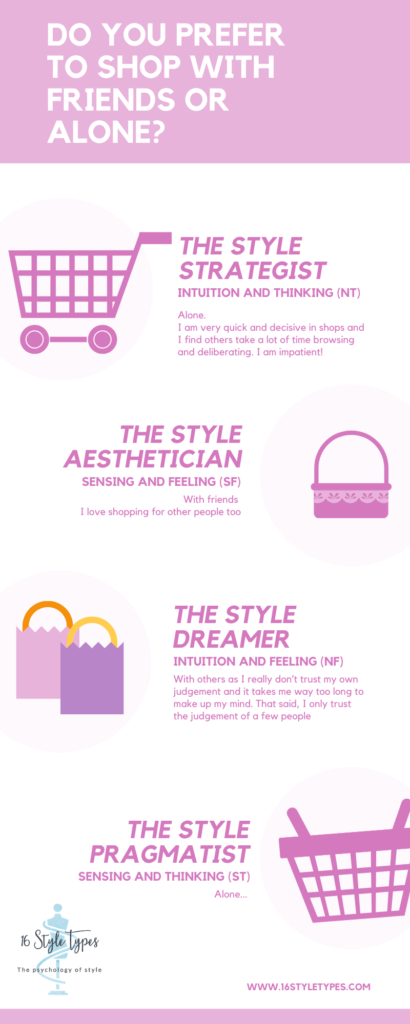
    Shopping with friends is a social experience, while shopping alone offers independence and personal choice. Friends provide company, while solo shopping allows focus.

    Shopping can be a delightful activity, whether done alone or with friends. Each approach has its unique benefits and drawbacks. Shopping with friends can be enjoyable, offering opportunities for bonding and sharing opinions. Friends can also provide helpful feedback and make the experience more fun.

    On the other hand, shopping alone allows you to make decisions without external influences. You can focus on your needs and preferences, manage your time efficiently, and enjoy a peaceful shopping experience. Both methods have their distinct advantages, catering to different moods and preferences.

    What is the Difference between Shopping With Friends And Shopping Alone: A Fun Comparison

    Credit: 16styletypes.com

    Social Dynamics

    Shopping with friends and shopping alone offer unique experiences. Social dynamics play a crucial role in shaping these experiences. When you shop with friends, the group setting influences your decisions. Shopping alone, on the other hand, allows for more personal choices. Let’s explore the social dynamics in detail.

    Group Influence

    Shopping with friends often brings a sense of camaraderie. Your friends’ opinions can influence your purchases. For instance, you might feel more confident buying something if your friends approve. This influence can lead to discovering new styles or trends.

    Conversely, shopping alone gives you full control. You make decisions based on your preferences. There’s no external influence, making the experience more introspective. You can take your time and think deeply about each item.

    Peer Pressure

    Peer pressure can be a significant factor when shopping with friends. You might feel the need to fit in with the group. This could lead to buying items you don’t need or want. Sometimes, you might spend more than planned due to peer pressure.

    Shopping alone eliminates this pressure. You can stick to your budget and buy only what you need. There’s no urge to conform to anyone else’s expectations. This can lead to more thoughtful and intentional purchases.

    Aspect Shopping with Friends Shopping Alone
    Decision Making Influenced by group Based on personal preference
    Peer Pressure High Low
    Budget Control Often less control More control
    • Shopping with friends is a social activity.
    • Shopping alone offers more personal freedom.
    1. Consider the pros and cons of each shopping style.
    2. Choose the one that suits your needs best.
    What is the Difference between Shopping With Friends And Shopping Alone: A Fun Comparison

    Credit: twitter.com

    Decision Making

    Shopping can be a fun experience. The way you shop affects decision-making. Shopping alone and shopping with friends present unique challenges and benefits.

    Individual Choices

    Shopping alone gives you complete control over your decisions. You can take your time, explore different options, and make choices based on your preferences. This can be beneficial when you have a specific item in mind or a strict budget.

    • Freedom to choose without any external influence.
    • Less time spent negotiating or compromising.
    • Focus solely on your own needs and desires.

    On the other hand, shopping alone can sometimes feel lonely. You might miss out on valuable opinions or second thoughts. For big purchases, a second opinion can be very helpful.

    Collective Decisions

    Shopping with friends introduces a collective decision-making process. Friends can offer opinions, advice, and support. This can be especially helpful when you are unsure about a purchase.

    Benefits Challenges
    Shared experiences and fun. Need to compromise.
    Second opinions. Possible disagreements.
    Discovery of new items. Time-consuming.

    Friends can help you discover items you might have overlooked. They can also make the shopping experience more enjoyable. Yet, differing tastes and opinions can slow down the process.

    Collective decision-making often requires patience and compromise. Balancing different views can be tricky. But, the shared experience can be rewarding and memorable.


    Time Management

    Effective time management is crucial whether you shop alone or with friends. Each has its own dynamics that can affect how you manage your time. Understanding these differences can help you decide the best shopping strategy for you.

    Speed Of Shopping

    When shopping alone, you have full control over your pace. You can quickly move from one store to another. Shopping alone often leads to faster decision-making. You don’t need to wait for anyone else’s opinion. This can save you a lot of time, especially if you have a busy schedule.

    Shopping with friends, on the other hand, often means moving at a slower pace. You might spend more time discussing which products to buy. Friends can help you make better choices, but this often takes longer.

    Procrastination And Delays

    Shopping alone minimizes procrastination and delays. You don’t have to wait for anyone or get distracted. You can focus solely on your shopping list. This makes it easier to stay on track and stick to your plan.

    When you shop with friends, procrastination can become an issue. You might get caught up in conversations. You may also visit stores that are not on your list. These activities can lead to delays and make your shopping trip longer than expected.

    Aspect Shopping Alone Shopping With Friends
    Speed of Shopping Faster Slower
    Procrastination and Delays Minimal More Likely

    Understanding these key differences can help you manage your time better. Whether you shop alone or with friends, plan your trip wisely. This ensures you make the most of your shopping experience.

    Enjoyment Factor

    Shopping can be an exciting activity. The enjoyment factor plays a huge role. Let’s explore the differences between shopping with friends and shopping alone.

    Social Enjoyment

    Shopping with friends brings a different level of joy. You share laughs, opinions, and experiences. Friends can offer honest feedback. They make decisions easier. Shopping trips turn into mini-adventures.

    • Immediate feedback
    • Shared experiences
    • Boosted confidence
    Aspect Shopping with Friends
    Feedback Immediate and honest
    Experience Shared and memorable
    Confidence Boosted by friends

    Personal Satisfaction

    Shopping alone gives a sense of personal satisfaction. You have complete control over choices. No need to compromise. It allows for quick decisions. You can also follow your own pace.

    1. Full control over decisions
    2. More efficient shopping
    3. Personal reflection
    Aspect Shopping Alone
    Control Complete and personal
    Efficiency Often faster
    Reflection Time for personal thoughts

    Financial Impact

    Shopping with friends and shopping alone can have a significant financial impact. Understanding these differences can help you make better financial decisions. Let’s delve into how spending patterns and impulse buying change based on whether you shop solo or with friends.

    Spending Patterns

    Shopping with friends often leads to higher spending. Friends can influence you to buy more. They might suggest items you didn’t plan to buy. This results in unplanned expenses.

    When shopping alone, you are more likely to stick to your list. Solo shopping usually involves less time browsing. This can save money and help you stay within your budget.

    Shopping Type Spending Pattern
    With Friends Higher Spending, More Unplanned Purchases
    Alone Lower Spending, Sticking to List

    Impulse Buying

    Impulse buying is more common when shopping with friends. Friends can encourage you to buy things on the spot. This happens because of social influence. They might say, “You deserve it!” or “It’s on sale!”. This makes you more likely to buy impulsively.

    Shopping alone reduces impulse buying. Without friends, you can think more about each purchase. You have more time to consider if you really need an item. This leads to more thoughtful spending.

    • Shopping with friends: Higher risk of impulse buying
    • Shopping alone: Lower risk of impulse buying

    Both shopping experiences have their own financial impacts. Being aware of them helps you manage your finances better.

    Product Exploration

    Difference between Shopping With Friends And Shopping Alone – Product Exploration

    Shopping can be a delightful experience, whether alone or with friends. The way you explore products can vary greatly. Let’s dive into how product exploration differs in these two scenarios.

    Diverse Opinions

    When shopping with friends, you get diverse opinions on products. Friends can offer different perspectives.

    • Friends may spot details you miss.
    • They can give honest feedback.
    • Different tastes can lead to new discoveries.

    This variety can be both helpful and overwhelming. You might find it easier to decide with more input. But too many opinions can also create confusion.

    Focused Search

    Shopping alone often means a focused search. You can concentrate on what you need.

    1. Less distraction from others.
    2. More time to read product details.
    3. Quicker decision-making process.

    When you shop alone, you set your own pace. This can be more efficient. You can quickly find what you want without extra opinions.

    Emotional Support

    Shopping can be a thrilling experience, but the emotional support you receive makes a big difference. Whether shopping with friends or alone, emotional support plays a crucial role. Let’s explore how shopping with friends offers unique emotional benefits.

    Moral Support

    Friends offer valuable moral support while shopping. They help you make decisions and give honest feedback. This can be reassuring, especially when buying something significant. For example, a friend can tell you if a dress looks good on you. You can also trust them to help find the best deals.

    Stress Relief

    Shopping alone can be stressful. You might feel overwhelmed with choices and decisions. Shopping with friends can relieve this stress. Friends can help you stay calm and focused. They can also make the experience more enjoyable. Laughing and chatting with friends can turn a stressful task into a fun outing.

    Practical Considerations

    Shopping with friends and shopping alone have different practical aspects. These differences impact logistics and convenience. Understanding these can help you choose the best shopping experience for you.

    Logistics

    Shopping with friends requires coordinating schedules. You need to find a time that suits everyone. This can be challenging, especially with busy schedules. Public transport or carpooling may also need planning.

    When you shop alone, you can go at your own pace. There is no need to wait for others. You can also choose the best time for you. This can make the process quicker and simpler.

    Convenience

    Shopping alone offers complete flexibility. You can decide where to go, how long to stay, and when to leave. You can also focus on your own shopping needs without distractions.

    Shopping with friends brings social benefits but can be less convenient. You may have to visit stores you are not interested in. Waiting for others can also slow down your shopping.

    Aspect Shopping Alone Shopping with Friends
    Scheduling Fully flexible Needs coordination
    Focus Personal needs Shared interests
    Time Management Quick and efficient Potential delays
    What is the Difference between Shopping With Friends And Shopping Alone: A Fun Comparison

    Credit: m.facebook.com

    Frequently Asked Questions

    What Are The Benefits Of Shopping With Friends?

    Shopping with friends can be more enjoyable and social. They offer valuable opinions and fashion advice. It also provides a sense of security and companionship.

    Is Shopping Alone More Efficient?

    Yes, shopping alone can be more efficient. You can make decisions faster without distractions. It’s easier to follow your schedule and preferences.

    How Does Shopping Alone Affect Decision-making?

    Shopping alone allows for more focused decision-making. You can take your time to compare options. There’s no external pressure influencing your choices.

    Can Shopping With Friends Be Stressful?

    Yes, shopping with friends can sometimes be stressful. Differing opinions and interests may lead to conflicts. Coordination and planning are often required.

    Conclusion

    Shopping with friends offers social interaction and shared experiences. Shopping alone provides independence and personal focus. Each has its unique benefits. Choosing between the two depends on your mood and shopping goals. Whether solo or with friends, enjoy the experience and make the most out of your shopping journey.

  • Best Things to Look on at a Sale: Must-Have Deals and Steals

    Best things to look for at a sale include quality items at discounted prices and exclusive deals on high-demand products. Shopping during sales can be overwhelming.

    Knowing what to look for ensures you get the best value for your money. Focus on quality items, like branded clothes, electronics, and home appliances. Check for exclusive deals on high-demand products that rarely go on sale. Always compare prices to ensure you’re getting a true discount.

    Look for items with good reviews to avoid low-quality purchases. Take advantage of bundle offers for added savings. Prioritize items you need or have been eyeing for a while. This way, you avoid impulse buys and make the most of the sale.

    Introduction To Sale Shopping

    Best Things to Look on at a Sale

    Sale shopping can be an exciting experience. You get to find great deals and save money. But it can also be overwhelming if you don’t know where to start. In this post, we’ll guide you on the best things to look for during a sale. Whether you’re a seasoned shopper or a beginner, these tips will help you make the most out of your sale shopping experience.

    Benefits Of Sale Shopping

    Sale shopping offers numerous benefits that make it an attractive option for many.

    • Save Money: The most obvious benefit is saving money. Sales can offer significant discounts on items.
    • Try New Products: Sales allow you to try new products at a lower cost.
    • Stock Up: You can stock up on essentials and non-perishables during sales.
    • Less Guilt: Buying on sale often feels less guilty than paying full price.

    Tips For First-time Shoppers

    If you are new to sale shopping, these tips can help you make smart choices.

    1. Make a List: Write down what you need before shopping.
    2. Set a Budget: Decide how much you are willing to spend.
    3. Compare Prices: Use your phone to check prices online.
    4. Check Return Policies: Ensure the store has a good return policy.
    5. Shop Early: Go early to get the best deals.

    Fashion Finds

    Sales are the best time to revamp your wardrobe. Fashion Finds offer the best deals. Let’s dive into the must-haves and steals you shouldn’t miss.

    Clothing Must-haves

    During sales, look for essential clothing items. These are items you need all year round.

    • Basic Tees: Great for layering and everyday wear.
    • Jeans: Find classic fits that suit your body type.
    • Blazers: Perfect for both work and casual outings.
    • Little Black Dress: Always a wardrobe staple.
    • Winter Coats: Invest in a quality coat for the cold months.
    Item Description
    Basic Tees Essential for layering
    Jeans Classic fits for every body type
    Blazers Suitable for work and casual wear
    Little Black Dress Timeless wardrobe staple
    Winter Coats Quality coats for cold weather

    Accessory Steals

    Accessories can elevate any outfit. Look for deals on these key pieces.

    1. Statement Necklaces: Add a pop to any outfit.
    2. Scarves: Great for adding warmth and style.
    3. Handbags: Look for versatile and durable options.
    4. Belts: Perfect for cinching dresses and adding detail.
    5. Sunglasses: Find classic styles that match any look.

    Remember, fashion finds during a sale are great opportunities. Choose wisely and invest in items that offer the best value. Happy shopping!

    Tech Deals

    Tech deals are the most exciting part of any sale. You can find amazing discounts on the latest gadgets and home electronics. These deals help you upgrade your tech without breaking the bank.

    Gadgets On Sale

    During sales, keep an eye on gadgets. Smartphones, tablets, and smartwatches often have significant price drops. You might find top brands like Apple, Samsung, and Sony at lower prices.

    Here are some gadgets to look for:

    • Smartphones: Look for deals on the latest models.
    • Tablets: Great for reading, gaming, and work.
    • Smartwatches: Track your fitness and stay connected.
    • Headphones: Enjoy music with high-quality sound.
    • Gaming Consoles: Look for bundles with extra games.

    Home Electronics

    Sales are a great time to upgrade your home electronics. Look for discounts on televisions, home theaters, and smart home devices. These deals can help you create a modern, connected home.

    Here’s what to watch for:

    • Televisions: Find 4K and smart TVs at great prices.
    • Home Theaters: Get immersive sound systems.
    • Smart Home Devices: Look for smart speakers, lights, and security systems.
    • Kitchen Appliances: Upgrade with smart fridges and ovens.
    • Vacuum Cleaners: Find deals on robot vacuums.

    Here’s a quick comparison table of potential tech deals:

    Product Typical Discount Brands to Watch
    Smartphones 10-30% Apple, Samsung, OnePlus
    Tablets 15-40% Apple, Samsung, Amazon
    Smartwatches 20-50% Apple, Fitbit, Garmin
    Televisions 20-60% Samsung, LG, Sony
    Smart Home Devices 15-45% Amazon, Google, Philips

    Home Essentials

    Finding the best deals during a sale can be thrilling. Smart shoppers focus on home essentials to maximize savings. These items are not only useful but also often heavily discounted. Let’s dive into some of the best home essentials to look for during a sale.

    Kitchenware Bargains

    Sales are perfect for stocking up on kitchenware. Look for discounts on items like:

    • Pots and Pans – Upgrade your cooking with high-quality sets.
    • Cutlery – Sharp knives at a fraction of their original price.
    • Small Appliances – Blenders, toasters, and mixers often see price drops.

    These items are essential for every kitchen. Getting them at reduced prices makes cooking more enjoyable and efficient.

    Furniture Discounts

    Sales offer significant savings on furniture. Key pieces to look for include:

    Item Use
    Sofas Comfortable seating for living rooms.
    Dining Tables Essential for family meals and gatherings.
    Beds Upgrade your bedroom with a new frame or mattress.

    Buying furniture during sales can save you a lot of money. Always check for durability and comfort before making a purchase.

    https://www.youtube.com/watch?v=

    Beauty Products

    Everyone loves a good sale, especially when it comes to beauty products. Beauty sales are the perfect time to stock up on your favorite items. Whether you are into skincare or makeup, there are always great deals to be found.

    Skincare Sales

    Skincare is essential for maintaining a healthy, glowing complexion. During sales, you can find amazing discounts on top brands.

    • Cleansers: Look for gentle cleansers that suit your skin type.
    • Moisturizers: Stock up on hydrating creams and lotions.
    • Serums: Vitamin C and hyaluronic acid serums are often on sale.
    • Face Masks: Pamper yourself with discounted face masks.
    Product Discount
    Gentle Cleanser 25% off
    Hydrating Moisturizer 30% off
    Vitamin C Serum 20% off
    Revitalizing Face Mask 40% off

    Makeup Deals

    Makeup lovers, rejoice! Sales are the best time to update your collection. You can find everything from foundation to lipstick at unbeatable prices.

    1. Foundations: Find your perfect shade at a lower price.
    2. Eyeshadows: Grab those vibrant palettes you’ve been eyeing.
    3. Lipsticks: Buy a range of colors to match any outfit.
    4. Mascaras: Enhance your lashes with top-brand mascaras.
    Product Discount
    Liquid Foundation 20% off
    Eyeshadow Palette 35% off
    Matte Lipstick 25% off
    Volumizing Mascara 30% off

    Outdoor Gear

    Outdoor gear sales offer fantastic deals. You can find items for all your outdoor adventures. Whether you enjoy camping or fitness activities, there is something for everyone. Let’s explore some of the best things to look for during a sale.

    Camping Equipment

    Camping gear is essential for any outdoor enthusiast. During a sale, you can find great deals on tents, sleeping bags, and camping stoves.

    • Tents: Look for lightweight, durable tents. They should be easy to set up.
    • Sleeping Bags: Choose sleeping bags that are warm and comfortable. Check the temperature rating.
    • Camping Stoves: A good camping stove is portable and efficient. It should be easy to use.

    Fitness Accessories

    Fitness accessories can enhance your outdoor workouts. You can find many useful items on sale.

    • Fitness Trackers: Track your steps, calories burned, and heart rate.
    • Resistance Bands: They are great for strength training. They are also lightweight and portable.
    • Water Bottles: Stay hydrated with a high-quality, leak-proof bottle.

    Here is a comparison table of some popular fitness accessories:

    Accessory Features Price Range
    Fitness Tracker Step Counter, Heart Rate Monitor $30-$150
    Resistance Bands Various Resistance Levels, Portable $10-$50
    Water Bottle Leak-Proof, BPA-Free $10-$30

    Kids’ Items

    Finding the best deals for kids’ items during a sale can be thrilling. Whether you’re shopping for toys, games, or clothing, there’s always something exciting to discover. Let’s dive into the must-have kids’ items you should look for at a sale.

    Toys And Games

    Sales are a great opportunity to stock up on toys and games for your kids. Here are some key items to look out for:

    • Educational Toys: Puzzles, building blocks, and STEM kits.
    • Outdoor Toys: Bicycles, scooters, and sports equipment.
    • Board Games: Family-friendly games like Monopoly and Scrabble.
    • Action Figures: Superheroes, dolls, and character sets.

    Educational toys help children learn new skills while playing. Outdoor toys encourage physical activity and fun. Board games are great for family bonding. Action figures ignite imaginative play.

    Children’s Clothing

    Kids grow fast, so buying clothes on sale saves money. Here are some essential items:

    Item Why It’s Important
    T-Shirts Comfortable for everyday wear and play.
    Jeans Durable and versatile for many occasions.
    Jackets Keep kids warm during colder months.
    Sleepwear Soft and cozy for a good night’s sleep.
    Footwear Sturdy shoes for active kids.

    Look for durable fabrics and comfortable fits. Mix and match different items to create versatile outfits. Don’t forget to check for seasonal clothes at a discount.

    Frequently Asked Questions

    What Should I Prioritize In A Sale?

    Focus on high-quality items, essential needs, and exclusive offers. Look for long-lasting value and significant discounts.

    How Can I Spot Genuine Discounts?

    Compare prices across multiple stores and online platforms. Check the original price and the percentage off.

    Are Branded Items Worth Buying In Sales?

    Yes, branded items often offer better quality and durability. Sales make them more affordable.

    Should I Prepare A Shopping List For Sales?

    Yes, a list helps you stay focused and avoid impulse purchases. Prioritize essential items.

    Conclusion

    Finding the best deals at a sale can be rewarding. Always prioritize quality over quantity to maximize value. Plan ahead and set a budget to avoid overspending. Stay patient and vigilant for the best offers. With these tips, you can enjoy a successful and satisfying shopping experience.

    Happy shopping!